Chewing is an instinctual, deeply rooted behavior in dogs that serves several vital purposes. From a biological standpoint, chewing helps maintain oral hygiene by scraping away plaque and strengthening the jaw muscles. Psychologically, it acts as a self-soothing mechanism, releasing endorphins that help dogs relax and manage stress. As pet parents, we often celebrate when our furry companions find a toy they enjoy, as it keeps them occupied and away from our expensive leather shoes. However, not all objects are created equal when it comes to the safety of our canine friends. In fact, many seemingly innocent items found in and around the home can lead to catastrophic health issues, including dental fractures, esophageal lacerations, and life-threatening intestinal blockages.
Understanding the difference between a beneficial chew and a hazardous one is a critical component of responsible pet ownership. According to veterinary data from 2023, foreign body ingestions remain one of the top five reasons for emergency veterinary visits, with surgical costs often exceeding $3,000 to $5,000 depending on the complexity of the case. By educating ourselves on the hidden dangers of common household objects, we can proactively protect our dogs from pain and ensure our household remains a secure environment. This guide explores the eight most dangerous items dogs love to chew and provides safer, vet-approved alternatives to satisfy their natural urge to gnaw.
1. Ice Cubes: The Silent Tooth Cracker
It is a common sight in many households: the sound of the refrigerator’s ice dispenser triggers a joyful sprint from the resident dog, hoping for a fallen “icy treat.” While ice is just frozen water, its physical hardness is a major concern for veterinarians. Chewing on ice cubes can cause microscopic fractures in the tooth enamel—the thin, protective outer layer of the tooth. Over time, this wear and tear leaves the sensitive pulp exposed, leading to chronic pain and sensitivity.
For smaller breeds, the risks are even higher. A standard ice cube can represent a significant choking hazard, or worse, cause a complete slab fracture of the upper carnassial tooth. This type of injury often requires an expensive surgical extraction. If your dog loves the sensation of cold, consider offering chilled (but not frozen) carrot sticks or cucumber slices as a safer, softer alternative that won’t compromise their dental integrity.
2. Sticks and Wood: Nature’s Dangers
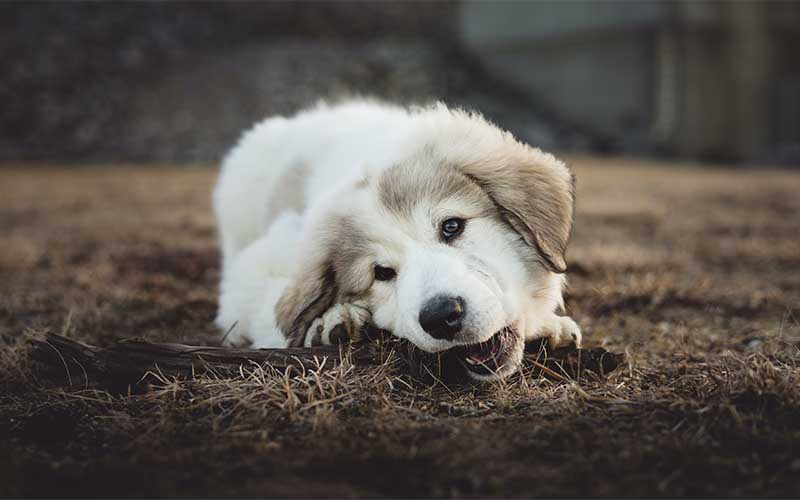
Throwing a stick for a dog is perhaps the most iconic image of pet ownership, yet it is one of the most dangerous activities you can encourage. Wood is naturally fibrous and prone to splintering under the pressure of a dog’s jaw. When a dog chews on a stick, sharp shards of wood can easily become embedded in the gums, tongue, or the roof of the mouth, leading to severe infections and abscesses. Even more concerning is the risk of “stick impalement” during a game of fetch, where a stick can pierce the soft tissues of the throat or chest.
If swallowed, wood fragments are indigestible. They can cause lacerations along the entire length of the gastrointestinal tract or congregate to form a mechanical blockage. To satisfy your dog’s fetching instinct, it is much safer to use high-visibility rubber toys or balls specifically designed for outdoor play. For those looking to optimize their home for safety, creating a pet-friendly home involves removing fallen branches and debris from the yard to minimize temptation.
3. Rocks and Stones
Some dogs, particularly those suffering from boredom or a condition called pica (the urge to eat non-food items), gravitate toward rocks. Puppies may also pick up stones during their exploratory phase. Rocks are devastating to canine teeth, often causing immediate fractures upon impact. Beyond the dental risk, rocks are a primary culprit for total intestinal obstructions. Unlike organic materials, rocks do not break down in the stomach acid; if they are too large to pass into the small intestine, emergency surgery is the only solution. Always monitor your dog in gravel-heavy areas and ensure they have access to the benefits of interactive dog toys to keep their minds engaged and off the landscaping.
4. Animal Bones, Hooves, and Antlers
There is a persistent myth that because wolves chew on bones, they are safe for domestic dogs. However, modern veterinary science suggests otherwise. Cooked bones are notoriously dangerous as they become brittle and splinter into needle-sharp pieces. Even raw bones, antlers, and hooves—which are marketed as “natural” chews—are often harder than the dog’s teeth themselves. The “knee test” is a good rule of thumb: if you wouldn’t want to be hit in the knee with the object, it’s probably too hard for your dog’s teeth. These items are the leading cause of fractured molars and can lead to painful gum infections if fragments become wedged between the teeth.
5. Plastic Water Bottles
Many dogs enjoy the crinkling sound of a plastic water bottle, but these are not toys. The thin plastic can be shredded into sharp pieces that can cut a dog’s mouth or throat. Furthermore, the plastic cap and the tamper-evident ring are perfect sizes for choking or causing a small-bowel obstruction. If your dog loves the sound of a bottle, look for specialized plush toys that have a protected internal sleeve for a bottle, which prevents the dog from actually reaching the plastic and cap.
6. Rawhide and Beef Hide
Rawhide has been a staple in pet stores for decades, but it comes with significant caveats. Rawhide is a byproduct of the leather industry and is often treated with chemicals like bleach during processing. The main danger, however, is its physical property when wet. As a dog chews, the rawhide becomes soft and slimy. A motivated chewer can gulp down large, undigested chunks that expand in the stomach. This can lead to choking or a “stuck” piece of hide in the esophagus. If you choose to give rawhide, only do so under direct supervision and remove it once it becomes soft and pliable.
7. Tennis Balls
It surprises many owners to learn that tennis balls are hazardous. The yellow fuzz on a tennis ball is highly abrasive, acting like sandpaper on a dog’s teeth. In dogs that are obsessed with balls, this can lead to “blunting,” where the crowns of the teeth are worn down to the nub. Additionally, the rubber core of a tennis ball can be easily crushed and swallowed, leading to a dangerous blockage. In 2024, many veterinarians recommend switching to solid rubber balls that are easier to clean and lack the abrasive felt coating.
8. Hard Household Objects (Golf Balls and Shells)
From black walnut shells in the yard to golf balls left in a bag, hard objects are everywhere. Golf balls are particularly dangerous because they are the perfect size to get lodged in the back of the throat, creating a life-threatening airway obstruction. Similarly, the shells of certain nuts can contain toxins or simply be sharp enough to cause internal damage. Always keep your hobby equipment and certain food items out of reach to prevent accidental ingestion.
Expert Review: The Veterinary Verdict on Safe Chewing
Veterinary dentists suggest that a safe chew toy should have some “give” to it. If you cannot indent the surface with your thumbnail, it is likely too hard. While no toy is 100% indestructible, products like high-quality rubber KONGs or dental-specific chews approved by the Veterinary Oral Health Council (VOHC) are generally the gold standard. For owners concerned about their dog’s habits, observing warning signs your pet needs an urgent vet visit—such as lethargy, vomiting, or pawing at the mouth—is essential for early intervention.
Frequently Asked Questions (FAQ)
What should I do if my dog swallows a piece of a stick?
If you suspect your dog has swallowed a sharp piece of wood, do not induce vomiting, as the shard could cause damage on the way back up. Monitor for signs of distress, loss of appetite, or blood in the stool, and contact your veterinarian immediately for an X-ray or ultrasound.
Are nylon bones safe for aggressive chewers?
Nylon bones are very popular but should be used with caution. If the nylon is so hard that it doesn’t flex, it can still break teeth. If your dog manages to chew off large chunks of the nylon, it can cause an internal blockage. Always replace these toys once they become heavily pitted or sharp.
Can I give my dog ice if it is crushed?
Crushed ice or “shaved” ice is significantly safer than whole cubes because it lacks the structural density to fracture a tooth. However, it still carries a small risk of tooth sensitivity for some dogs.
How can I tell if a toy is too hard?
Use the “Knee Test” or the “Thumb Test.” If the toy doesn’t give slightly when pressed with your thumb, or if it would hurt to be hit in the knee with it, it is likely too hard for your dog’s dental enamel.
Conclusion
While the urge to chew is a natural and healthy part of being a dog, it is our responsibility to guide that energy toward safe outlets. The dangers of ice, sticks, and tennis balls are often overlooked, but the consequences—both physical and financial—can be devastating. By choosing VOHC-approved products and maintaining a vigilant eye on our pets’ environment, we can satisfy their instincts while ensuring they live long, healthy, and pain-free lives. Always remember that when in doubt, a quick call to your veterinarian is the best way to determine if a new toy or treat is right for your specific breed and chewing style.


