Every year, as the winter chill begins to thaw into the early stirrings of spring, animal advocates across the globe unite for Have a Heart for Chained Dogs Week. This critical awareness campaign, traditionally held in the second week of February, shines a spotlight on a often-forgotten segment of our pet population: the hundreds of thousands of dogs who spend their entire lives tethered to a post, a tree, or a porch. For these animals, life is defined by the length of a heavy metal chain and the radius of a dirt patch. While some owners believe a chain is a secure way to contain a pet, the psychological and physical toll on these social pack animals is devastating. By understanding the profound impact of long-term tethering, we can move toward more humane, safe, and enriching ways to live with our canine companions, transforming their lives from existence to truly living.
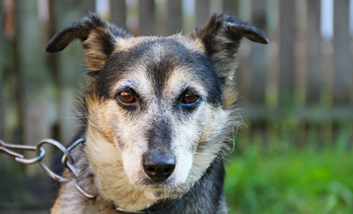
The Silent Crisis: Understanding the Impact of Continuous Tethering
It is estimated that upwards of 200,000 to 500,000 dogs in the United States alone live a life constantly chained or tethered outdoors. To understand why this is problematic, we must first look at the biological nature of the dog. For thousands of years, dogs have been selectively bred to form intense emotional attachments to human families. They are obligate social animals, meaning their mental health is inextricably linked to their status within the pack. When a dog is isolated on a chain, it is deprived of the very thing it was born to seek: companionship.
An otherwise friendly and happy dog, when kept continually isolated, often undergoes a tragic psychological transformation. Deprived of stimulation, these dogs frequently become neurotic, anxious, and deeply unhappy. This isolation often manifests in “stereotypical behaviors”—repetitive motions like pacing, spinning, or self-mutilation. Without the ability to flee from perceived threats, a tethered dog’s only remaining defense mechanism is aggression. This is why understanding triggers and prevention for dog aggression is vital for anyone living in a community where tethering is common.
Safety Concerns: The Link Between Chains and Dog Bites
Public safety experts and veterinarians have long warned that chained dogs represent a significantly higher risk to the community. Statistics from the CDC and various humane organizations suggest that chained dogs are nearly three times more likely to bite than those who are unchained. This isn’t because the dogs are inherently “bad,” but because their environment has conditioned them to be hyper-vigilant and defensive. A child who wanders into the reach of a tethered dog’s chain may be seen as an intruder in the only tiny territory the dog has left to defend.
Furthermore, chained dogs are sitting ducks for other dangers. They cannot escape attacks from loose neighborhood dogs, wild animals, or even cruel individuals. They are also at extreme risk during severe weather events, unable to seek proper shelter from heatwaves or freezing rain. In 2024, as global temperatures fluctuate more wildly, the vulnerability of tethered pets has become a leading concern for animal welfare officers who see the direct link between outdoor isolation and heat-related fatalities.
Upgrading Your Yard: Humane Containment Solutions
Many pet owners turn to chains because they are struggling with an “escape artist.” If you find yourself in this position, there are several structural upgrades you can make to your property that provide safety without the psychological trauma of a chain. For owners dealing with jumpers, installing a 45-degree inward extension to the top of an existing fence—often called “coyote rollers” or lean-ins—can prevent even the most athletic dogs from clearing the perimeter.
For the diggers, the solution lies beneath the surface. Burying chicken wire to a depth of at least one foot at the base of the fence (ensuring sharp edges are bent away from the dog) or placing large river rocks along the fence line can deter even the most determined burrowers. For those considering more modern tech, it is worth exploring a GPS dog fence collar vs wired containment to see which high-tech solution offers the best balance of freedom and security for your specific landscape.
The Role of Cable Runners
If a fence is not immediately feasible, a cable runner (a long line attached between two fixed points, like trees or posts) is a slightly better alternative to a fixed chain because it allows for more movement. However, this should only be a temporary measure. A dog on a runner still lacks protection from outside intruders and remains socially isolated. If you use a runner, ensure your dog has constant access to water and a comfortable, insulated shelter that is protected from the wind and sun.
The Importance of Mental Enrichment and “People Time”
Often, the reason dogs try to escape or engage in destructive behaviors like barking and chewing is a simple lack of stimulation. A dog who is bored is a dog who will find his own—often undesirable—entertainment. Integrating your dog into your daily life is the most effective way to eliminate the “need” for a chain. Bringing a dog inside doesn’t just protect the pet; it protects the home. A dog inside the house is a much more effective deterrent to intruders than a dog stuck in the backyard where they can be easily avoided or neutralized.
To curb the behaviors that lead people to tether their pets, owners should focus on how to provide your dog with mental stimulation. This includes using interactive puzzle toys, scheduled “people time” for play and affection, and consistent positive reinforcement training. When a dog feels like a valued member of the family, their desire to roam often diminishes, and their house manners improve exponentially.
Expert Review: The Veterinary Perspective
Dr. Aris V., DVM: “In my clinical experience, the physiological health of chained dogs is almost always compromised. We see higher rates of neck injuries, embedded collars, and parasitic infections in tethered animals. More importantly, the ‘cortisol spike’—the stress hormone—is chronically elevated in these dogs. From a medical standpoint, a dog’s immune system performs better when they are in a low-stress, indoor-integrated environment. Have a Heart for Chained Dogs Week is not just about kindness; it’s about basic biological health and safety.”
Frequently Asked Questions (FAQ)
Is it illegal to chain a dog?
Laws vary significantly by state and municipality. As of 2024, many cities have passed strict anti-tethering ordinances that limit the number of hours a dog can be tied up, or ban the practice entirely during extreme weather. Check your local animal control ordinances for specific regulations in your area.
What should I do if I see a neighbor’s dog always on a chain?
Approach with kindness first. Sometimes owners don’t realize the harm or lack the funds for a fence. You might offer to help build a fence or donate a sturdy dog house. If the dog appears in distress—lacking water, food, or shelter—contact your local animal welfare or non-emergency police line to report a welfare concern.
Can a dog be happy living mostly outdoors?
While some breeds are more suited to outdoor life, no dog is happy being isolated. If a dog lives outdoors, they still require hours of daily interaction with their humans, a secure and fenced-in area (not a chain), and protection from the elements.
What are the best alternatives to tethering for a dog that digs?
Providing a designated “digging pit” or sandbox can work wonders. Bury toys in the sand to encourage the dog to dig there instead of under the fence. Combine this with increased physical exercise to tire the dog out.
Conclusion
Have a Heart for Chained Dogs Week serves as a poignant reminder that our pets deserve more than just the basics of survival; they deserve a life filled with dignity and connection. Moving a dog from the end of a chain to a spot on the living room floor changes more than just their location—it changes their entire temperament and well-being. Whether you are an owner looking for better containment solutions or a concerned neighbor advocating for local change, remember that every dog deserves to be part of the pack. Let us use this week to commit to better fencing, more indoor time, and a more compassionate world for our four-legged friends.


