A cat’s coat is far more than just a beautiful aesthetic feature; it is a vital window into their internal health and biological well-being. As pet ownership reached record highs in the early 2020s, a growing number of feline parents have begun to realize that a dull or matted coat is often the first warning sign of nutritional deficiencies or underlying medical conditions. In the competitive world of feline care, achieving that sought-after ‘show-ring’ shine requires a multifaceted approach that combines advanced nutrition, meticulous grooming techniques, and environmental management. Beyond the sheen, managing your cat’s fur is the primary defense against the dreaded hairball—a common yet potentially dangerous byproduct of the feline self-grooming ritual. By understanding the intricate relationship between skin hydration, protein intake, and stress levels, you can transform your cat’s physical appearance while significantly enhancing their quality of life and longevity.
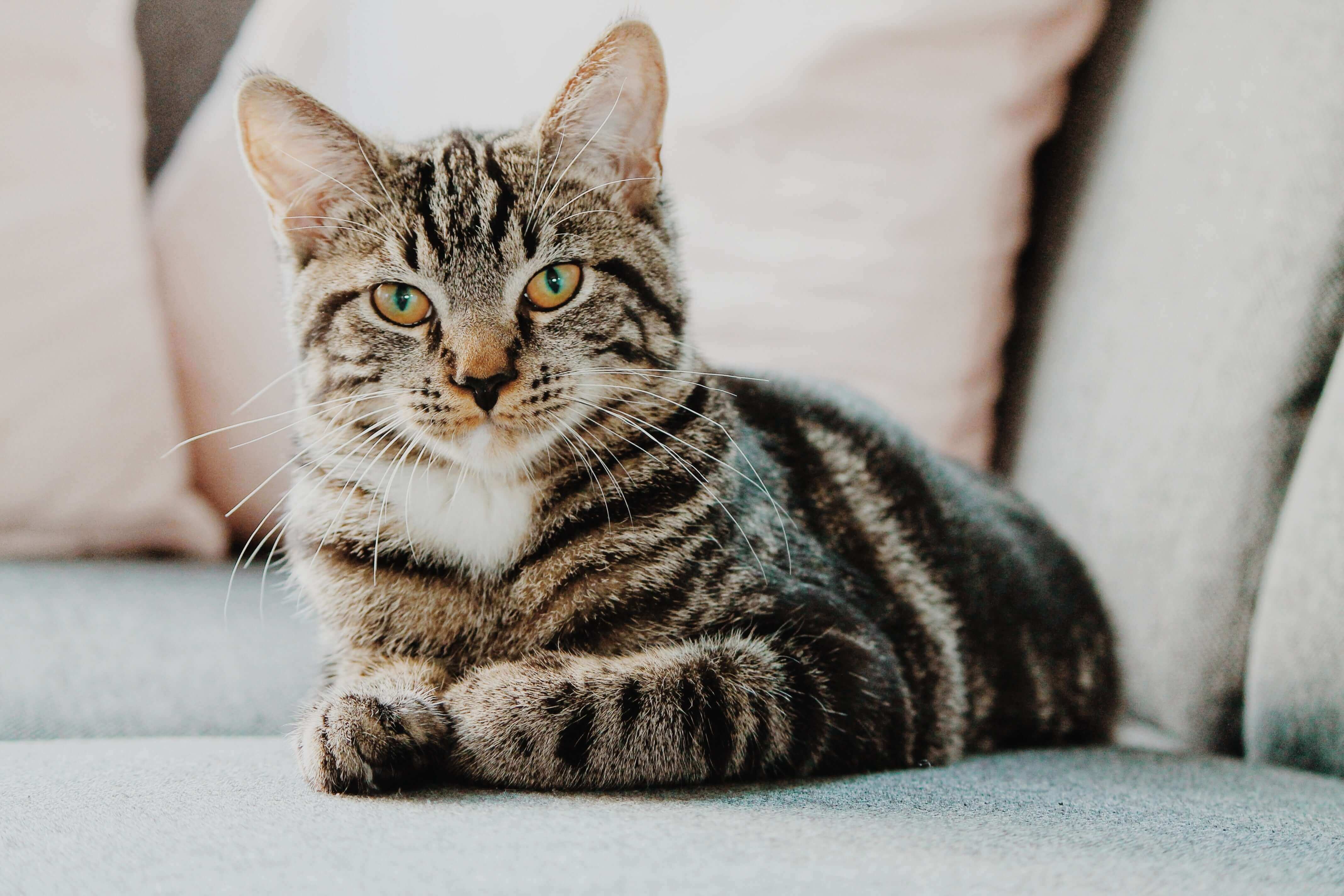
The Biological Link Between Coat Quality and Overall Health
To understand why coat health matters, we must look at the skin as the largest organ in a cat’s body. The feline integumentary system (skin and fur) serves as a critical barrier against environmental pollutants, harmful bacteria, and invasive parasites. According to recent veterinary data from 2023, approximately 25% of all feline veterinary consultations are related to skin and coat issues. A healthy coat is naturally smooth, glossy, and free of debris. When a cat is healthy, their skin produces sebum, a natural oil that waterproofs the fur and provides an antimicrobial shield.
Conversely, a coat that appears ‘staring’ (hairs standing up or looking ragged), greasy, or excessively flaky (dandruff) often indicates that the body is diverting nutrients away from the skin to support more critical internal organs. This is frequently seen in cases of chronic stress, kidney issues, or poor-quality diets. By prioritizing your cat’s coat, you are essentially monitoring their systemic health on a daily basis.
The Hairball Dilemma: More Than Just a Nuisance
Hairballs, or trichobezoars, occur because of the unique structure of a cat’s tongue. Covered in tiny, backward-facing hooks called papillae, the tongue acts as a natural comb, collecting loose fur during grooming. While most of this fur passes through the digestive tract unnoticed, excessive shedding leads to accumulation in the stomach. In 2024, specialized feline practitioners have noted an uptick in ‘silent hairballs’—masses that do not cause vomiting but lead to chronic constipation or dangerous intestinal blockages.
An unhealthy coat is the primary driver of hairball formation. When the fur is matted or the skin is dry, the cat sheds more frequently, leading to higher ingestion of hair. Therefore, the secret to minimizing hairballs is not just about ‘remedies’ like petroleum-based pastes, but about proactive coat management and moisture retention.
Tip 1: Precision Brushing and Tool Selection
Brushing is the most effective mechanical way to reduce shedding. However, the ‘one-size-fits-all’ approach to brushes is a myth. To effectively manage a coat, you must match the tool to the feline’s specific fur type:
- Slicker Brushes: Essential for long-haired breeds like Persians or Ragdolls. The fine wire bristles penetrate deep into the undercoat to pull out dead hair before it is ingested.
- Shedding Blades: Highly effective for short-haired cats with dense coats (like British Shorthairs) during the peak shedding seasons of spring and fall.
- Rubber Curry Combs: These are the gold standard for cats who are sensitive to grooming. The soft rubber tips massage the skin, stimulating blood flow and distributing natural sebum without the risk of ‘brush burn.’
Expert Tip: For indoor cats, who live in climate-controlled environments, ‘artificial spring’ can cause year-round shedding. Brushing three to four times a week is now the recommended standard for indoor-only felines to prevent matting and hairball accumulation.
Tip 2: The High-Protein Nutritional Revolution
Since a cat’s hair is comprised of up to 90% protein, their diet is the foundation of their appearance. If a diet is low in high-quality animal protein, the body will prioritize internal muscles over the coat, leading to brittle, easily broken fur. Modern feline nutrition trends in 2024 emphasize bioavailable proteins—meaning the protein must come from named animal sources like ‘deboned chicken’ or ‘wild-caught salmon’ rather than ‘meat by-products.’
Look for foods that adhere to AAFCO standards but go a step further by including specific amino acids like methionine and cystine, which are the building blocks of keratin. A 2023 study published in the Journal of Animal Physiology and Animal Nutrition confirmed that cats on high-protein, moisture-rich diets showed a 15% increase in coat luster over a six-month period compared to those on standard dry kibble diets.
Tip 3: The Power of Omega-3 and Supplements
Even the best food can sometimes benefit from targeted supplementation. Essential Fatty Acids (EFAs), particularly Omega-3 and Omega-6, are vital for skin elasticity and fur strength.
- Omega-3 (Fish Oil): Acts as a natural anti-inflammatory, reducing the skin irritation that causes cats to over-groom.
- Biotin and Vitamin E: These work synergistically to repair the skin barrier and provide a high-gloss finish.
- Zinc: This mineral is crucial for preventing parakeratosis (crusty, scaly skin) and maintaining the integrity of the hair follicles.
Tip 4: Strategic Bathing and pH Balance
While cats are masters of self-cleaning, an occasional bath can significantly reduce the ‘shedding load.’ However, using human products is a common and dangerous mistake. Human skin has a pH of around 5.5 (acidic), while cat skin is more neutral (around 7.0 to 7.5). Using human shampoo can strip the acid mantle, leading to severe dryness and infections.
For cats prone to skin issues, Chlorhexidine Shampoo is often recommended by vets to eliminate bacteria that may be causing a dull coat. In 2024, ‘waterless’ foaming shampoos have also gained popularity for cats who are water-averse, providing a way to remove allergens and dander without the stress of a full bath.
Tip 5: Hydration and the Exercise Link
Dehydration is a ‘stealth killer’ of coat health. When a cat is even slightly dehydrated, the skin loses its turgor, and the fur becomes dry and ‘crispy’ to the touch. Because cats have a low thirst drive, modern owners are moving toward stainless steel or ceramic water fountains. Moving water mimics natural sources and encourages higher water intake, which directly moisturizes the skin from the inside out.
Furthermore, daily exercise stimulates circulation. Increased blood flow to the capillaries just beneath the skin’s surface ensures that nutrients from the diet actually reach the hair follicles. Even 10 minutes of interactive play with a wand toy can ‘rev up’ the metabolic processes that support a healthy coat.
Case Study: The Transformation of ‘Barnaby’
Barnaby, a 7-year-old indoor domestic medium-hair, suffered from chronic hairballs (3-4 times a month) and a coat that felt like straw. His owners shifted his diet from a low-cost grocery brand to a grain-free, high-protein wet food and introduced a daily Omega-3 supplement. Within 60 days, Barnaby’s hairballs were reduced to zero, and his coat became so soft that his owners described it as ‘rabbit-like.’ This real-world example highlights that coat health is a reversible condition given the right nutritional and grooming interventions.
Expert Review: The Verdict on Coat Maintenance
Leading feline dermatologists agree: the best approach to a healthy coat is consistency over intensity. You cannot ‘fix’ a coat in a weekend. It takes approximately 21 to 30 days for new skin cells to reach the surface and for the effects of better nutrition to manifest in the fur. The 2024 consensus is that a holistic approach—combining hydration, high-quality protein, and low-stress environments—is the only way to achieve lasting results.
Frequently Asked Questions (FAQ)
1. How many hairballs are considered ‘normal’ for a cat?
While many believe daily hairballs are normal, veterinarians suggest that more than one or two a month is a sign that the cat needs more grooming or a change in diet. Frequent vomiting should always be checked by a professional.
2. Can I use coconut oil on my cat’s fur?
Small amounts of organic coconut oil can be applied topically to dry patches, but be aware that your cat will lick it off. Ingesting too much coconut oil can lead to diarrhea or pancreatitis due to the high fat content.
3. Why does my cat’s coat get worse in the winter?
Indoor heating significantly dries out the air, leading to ‘winter itch’ and static in the fur. Using a humidifier and increasing Omega-3 intake during winter months can help counteract this.
4. Are there specific breeds that never get hairballs?
No breed is completely immune, though hairless breeds like the Sphynx obviously do not have this issue. However, hairless breeds require even more skin care as they lack the fur to absorb natural oils.
5. Does stress really cause shedding?
Yes. Stress triggers a process called telogen effluvium, where hairs prematurely enter the shedding phase. This is why cats often ‘lose clumps of hair’ during a stressful vet visit.
Conclusion
Maintaining a healthy cat coat is a rewarding journey that pays dividends in your pet’s comfort and health. By implementing a routine of regular brushing, providing a protein-rich diet, and ensuring proper hydration, you are doing more than just making your cat look good—you are extending their life and preventing the discomfort of hairballs. Remember that your cat’s coat is a living reflection of their internal state; treat it with the care and scientific attention it deserves.


