Owning a medium or large breed dog, such as a Labrador Retriever, German Shepherd, or a Doberman Pinscher, brings immense joy and active companionship to any household. These robust animals are often celebrated for their athletic prowess, guarding instincts, and high energy levels. However, their physical stature and lifestyle predispose them to a unique set of medical risks that differ significantly from those of smaller, toy-breed dogs. While a Chihuahua might struggle with luxating patellas or tracheal collapse, a Rottweiler or a Golden Retriever is more likely to face high-impact trauma, serious lacerations, or life-threatening gastrointestinal emergencies. Understanding these risks is the first step in proactive pet parenting, ensuring that your loyal companion remains healthy and mobile for years to come. In this comprehensive guide, we delve into the three most frequent injuries seen in larger canines, backed by veterinary insights and the latest data on emergency care.
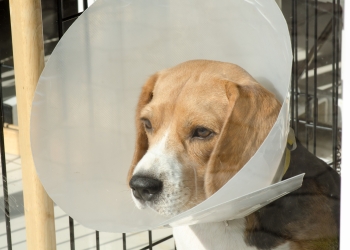
1. Lacerations and Wounds: The Hazards of Size and Socialization
Lacerations and skin wounds are among the most common reasons for emergency veterinary visits for medium and large breed dogs. Unlike smaller dogs, which are often carried or kept in controlled environments, larger breeds are frequently involved in high-energy social interactions and outdoor exploration. Statistics from veterinary emergency networks in 2024 indicate that nearly 15% of all urgent care visits for large breeds involve trauma to the skin or underlying tissue. Often, these injuries are the result of interpersonal conflict between animals. While big dogs may not always be the aggressors, their size can make social scuffles far more damaging. When two large dogs engage in a fight, the force of their jaws can cause deep puncture wounds that are deceptive to the naked eye.
Veterinary professionals emphasize that even a small puncture can hide significant ‘pocketing’ or damage to the muscle underneath. If your dog sustains a wound, it is crucial to seek professional help. Small punctures may only require cleaning and systemic antibiotics to prevent sepsis, but larger tears frequently necessitate surgical intervention. In these cases, stitches and the placement of a drain tube are vital. The drain tube allows inflammatory fluids to escape the body rather than pooling under the skin, which significantly reduces the risk of abscess formation. Furthermore, because larger breeds have higher pain thresholds, they may not show distress immediately, making it the owner’s responsibility to perform regular ‘body checks’ after trips to the park or hiking trails.
2. Broken Limbs and Orthopedic Trauma
While the bones of a large dog are thick and strong, the sheer mass and momentum of these animals increase the risk of catastrophic fractures during high-impact events. One of the most frequent causes of broken limbs in big dogs is being hit by a vehicle. Larger dogs are often kept in yards or allowed to roam on acreage where they might encounter cars or trucks. The pelvis is particularly vulnerable in these scenarios; a ‘hit-by-car’ incident often results in complex pelvic fractures that require expensive orthopedic surgery and months of rehabilitation. Another common cause of injury is jumping from moving vehicles. A dog jumping out of a truck bed at 20 miles per hour hits the ground with several times its body weight in force, often shattering the radius or ulna.
Recovery for a large dog with a fracture is significantly more challenging than for a small dog due to their weight. Owners must learn how to best care for your dog with a broken bone, which includes strict crate rest and specialized slings to assist with mobility. In addition to fractures, large breeds are disproportionately affected by soft tissue tears that can be just as debilitating. For instance, the high activity levels of these breeds often lead to a ruptured cranial cruciate ligament, commonly known as an ACL injury in dogs. This condition often requires surgical stabilization (such as a TPLO or TTA procedure) to prevent the rapid onset of degenerative joint disease and permanent lameness.
3. Foreign Body Ingestion: The Dangers of the Indiscriminate Eater
Perhaps the most frustrating and preventable injury in large breeds is the ingestion of foreign objects. Large breed puppies, in particular, are notorious for ‘pica’—the craving and consumption of non-food items. Because of their large mouths and gullets, these dogs can easily swallow items that would be impossible for a smaller dog to ingest. Common culprits include tennis balls, squeaky toy components, rocks, socks, and even corn cobs. While some items may pass through the stomach, they often become lodged in the narrow passages of the small intestine. This creates a full or partial blockage that cuts off blood flow to the intestinal tissue.
The symptoms of an intestinal blockage are often subtle at first: intermittent vomiting, lethargy, and a loss of appetite. However, as the tissue distends and begins to die (necrosis), the dog’s condition will deteriorate rapidly. This is a life-threatening emergency. Treatment usually involves an exploratory laparotomy, where a surgeon opens the abdomen to locate and remove the obstruction. Prevention is key, and it often begins with nutrition. By choosing the best food for your large breed dog, you can ensure they feel satiated and are less likely to seek out non-food items to satisfy their hunger or boredom. Always supervise your dog with toys and remove any that show signs of wear and tear.
Expert Verdict: The Importance of Preparedness
Veterinary experts agree that while medium and large dogs are resilient, their injuries tend to be more complex and costly than those of smaller pets. Whether it is a surgical repair for a laceration sustained in a dog park or a life-saving procedure to remove a swallowed rock, the financial burden can be significant. This is where pet insurance becomes a critical tool for owners. Most comprehensive policies cover the three injuries discussed here, allowing owners to make medical decisions based on the best interests of their pet rather than their bank account balance. Early intervention is the single most important factor in a positive prognosis for trauma or ingestion cases.
Frequently Asked Questions
- How can I tell if my dog’s wound needs stitches? If the skin is gaping, you can see underlying fat or muscle, or if the bleeding doesn’t stop after five minutes of pressure, your dog likely needs stitches and professional wound management.
- What are the signs of an internal blockage? The primary signs are repeated vomiting (especially after drinking water), inability to hold down food, abdominal pain, and a lack of bowel movements.
- Is it safe for my dog to jump out of my SUV? For large breeds, constant high-impact jumping can lead to joint stress and fractures. It is safer to use a ramp or assist them, especially as they age.
- Can a large dog recover fully from a broken pelvis? Yes, with modern orthopedic techniques and dedicated physical therapy, many dogs return to a high quality of life, though they may develop arthritis later in life.
- Why do large dogs fight more often? It is not necessarily that they are more aggressive, but their territorial instincts and prey drives can be more pronounced, leading to more intense physical encounters when not properly socialized.
Conclusion
Medium and large breed dogs are incredible companions that require a vigilant eye to keep safe. From the risk of social lacerations to the orthopedic dangers of high-impact accidents and the dietary hazards of foreign body ingestion, these dogs face specific challenges. By prioritizing supervised play, proper nutrition, and immediate veterinary care, you can mitigate these risks. Remember, in the world of large-breed health, proactive prevention is always more effective than reactive treatment. Keep your home ‘puppy-proofed,’ your outdoor adventures controlled, and always have a plan in place for emergency medical situations.


