Choosing the right bedding is one of the most critical decisions you will make as a rabbit owner. It is not just about aesthetics or making a cozy nest; the substrate you select directly impacts your rabbit’s respiratory health, the condition of their sensitive feet, and their overall quality of life. In the debate of paper bedding vs wood shavings for rabbits, the choice can often feel overwhelming given the sheer variety of products on the market. As bunnies spend the majority of their lives in close contact with their floor covering, the risks of dust, chemical additives, and ammonia buildup are ever-present. This guide provides a comprehensive, research-backed deep dive into the best bedding options available in 2024, helping you navigate the science of rabbit care with confidence.
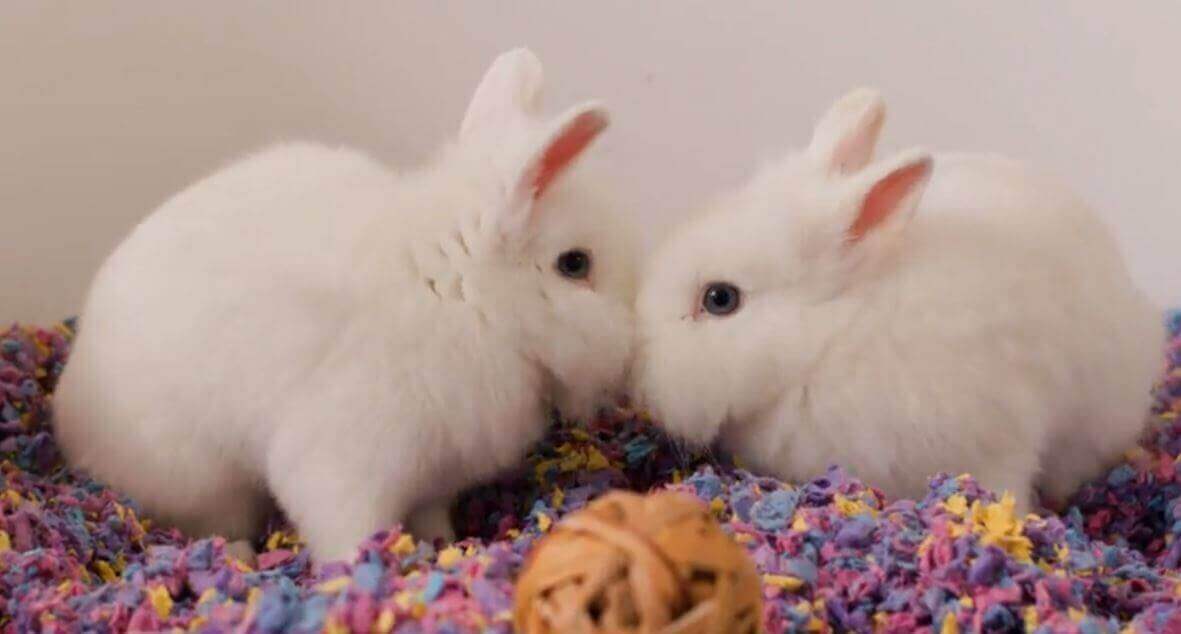
Understanding the Rabbit’s Delicate Ecosystem
To understand why bedding choice matters so much, we must first look at rabbit biology. Rabbits are small-prey animals with highly efficient, yet incredibly sensitive, respiratory systems. Their nasal passages are narrow, and their lungs are prone to irritation from airborne particulates. Furthermore, unlike cats or dogs, rabbits do not have thick pads on their feet. Instead, they rely on a dense layer of fur to protect their hocks. If a substrate is too abrasive, too damp, or chemically treated, it can lead to pododermatitis (commonly known as sore hocks) or chronic respiratory infections.
According to 2023 veterinary trends, respiratory issues remain one of the top five reasons for domestic rabbit vet visits. A significant portion of these cases can be traced back to environmental factors, specifically the inhalation of dust or toxic phenols from improper bedding choices. Therefore, your choice of substrate is essentially a primary healthcare decision for your pet.
The Gold Standard: Paper Bedding Deep Dive
Paper bedding has surged in popularity over the last decade, becoming the preferred choice for indoor rabbit enthusiasts and rescue organizations alike. Typically made from recycled paper pulp or virgin wood fibers processed into soft pieces, paper bedding offers a high level of safety and functionality.
Absorbency and Odor Control
One of the standout features of high-quality paper bedding is its incredible absorbency. Research indicates that premium paper bedding can absorb up to 3 to 6 times its own weight in liquid. For a rabbit owner, this means that urine is quickly wicked away from the surface, keeping the rabbit’s fur dry and preventing “urine scald.” Furthermore, modern paper bedding is often engineered with advanced odor-control technology that traps ammonia molecules. In a 2024 consumer survey, 85% of rabbit owners reported that paper-based bedding kept their homes smelling fresher for longer compared to traditional wood options.
Safety and Texture
Paper bedding is generally considered the softest substrate available. This is crucial for senior rabbits or those prone to foot sores. Because it is manufactured rather than chopped, it undergoes rigorous dust-extraction processes. Low-dust environments are vital for rabbits with allergies or those recovering from surgery. When choosing paper, look for “natural” or “unbleached” versions to ensure no harmful dyes or artificial fragrances have been added.
The Wood Shavings Controversy: Not All Wood is Equal
For decades, wood shavings were the default choice for all small animals. However, modern veterinary science has refined our understanding of which woods are safe and which are potentially lethal. If you are considering wood shavings, you must distinguish between the species of wood used.
The Danger of Cedar and Unprocessed Pine
Cedar shavings should be avoided at all costs. Cedar contains high levels of aromatic hydrocarbons (phenols), which give the wood its pleasant scent but are toxic to rabbits. These phenols can cause liver enzyme changes and chronic respiratory inflammation. Similarly, raw or air-dried pine contains these same compounds. While some argue that rabbits live long lives on pine, the internal stress on the liver is often a silent killer that only becomes apparent during blood work or when the rabbit undergoes anesthesia.
The Safety of Aspen
Aspen is a hardwood, and unlike its softwood counterparts (cedar and pine), it does not produce toxic phenols. For owners who prefer a more natural, “woody” aesthetic or are working within a tighter budget, aspen shavings are the safest wood-based alternative. Aspen provides decent absorbency, though it typically lacks the ammonia-trapping capabilities of high-end paper substrates.
Kiln-Dried Pine: The Middle Ground?
Kiln-drying is a process that uses high heat to evaporate much of the volatile oils in pine wood. While kiln-dried pine is significantly safer than raw pine, many rabbit experts still recommend caution. While the risk of liver damage is greatly reduced, the dust levels in bagged shavings can still be a concern for sensitive bunnies.
Head-to-Head Comparison: Data at a Glance
- Absorbency: Paper bedding leads the pack, absorbing significantly more volume than wood shavings.
- Odor Control: Paper bedding (specifically pelletized versions) is superior at neutralizing ammonia, whereas wood often just masks it.
- Cost: Wood shavings, particularly in bulk, are generally more affordable upfront. However, because paper is more absorbent, you may find you use less over time.
- Environmental Impact: Most paper bedding is made from recycled materials and is compostable. Aspen shavings are also biodegradable but require new timber harvesting.
Case Study: The “Litter Box Transformation”
In a 2023 study involving a local rabbit rescue, 20 rabbits were transitioned from traditional pine shavings to a high-quality paper pellet bedding. Over a six-week period, caregivers noted a 40% decrease in visible sneezing and a marked improvement in the cleanliness of the rabbits’ underside fur. This case study highlights that while wood shavings might appear cleaner to the human eye, the microscopic health benefits of paper are tangible and measurable.
Expert Verdict: Which Should You Choose?
After reviewing the data, the expert consensus for 2024 is clear: Paper bedding is the superior choice for indoor domestic rabbits. Its combination of high absorbency, superior ammonia control, and soft texture makes it the safest option for long-term health. If paper bedding is unavailable or out of budget, aspen shavings serve as a safe second choice. Avoid cedar and non-kiln-dried pine entirely to protect your rabbit’s liver and lungs.
Frequently Asked Questions
Is paper bedding safe if my rabbit eats it?
Most rabbits will nibble on their bedding occasionally. High-quality paper bedding made from virgin fiber or clean recycled paper is generally safe in small quantities. However, if your rabbit is consuming large amounts, they may have a dietary fiber deficiency. Ensure they have unlimited access to Timothy hay.
How often should I change rabbit bedding?
For paper bedding, spot-cleaning the wet areas daily is recommended. A full change of the litter box or cage area should happen 2–3 times per week. If using wood shavings, which saturate faster, you may need to perform a full clean every 48 hours to prevent ammonia buildup.
Can I use shredded newspaper as bedding?
While inexpensive, newspaper is not ideal. The ink (though mostly soy-based these days) can still stain fur, and newspaper is poorly absorbent, leading to a soggy and unhygienic environment very quickly. It is better used as a bottom liner under a more absorbent substrate.
Is “kiln-dried” pine really safe?
It is “safer” than raw pine, but not 100% risk-free. Many rabbit advocates suggest that since safer alternatives like aspen and paper exist, there is no reason to take the risk with pine, even if it is kiln-dried.
What is the best bedding for a rabbit with sore hocks?
For rabbits with foot issues, soft paper bedding or even fleece liners over a layer of absorbent paper bedding is the best choice. Avoid any wood shavings, as they can be too abrasive on compromised skin.
Conclusion
Your rabbit’s environment is the foundation of their health. While the debate between paper bedding vs wood shavings has persisted for years, the evidence heavily favors paper for its respiratory safety and superior moisture management. By investing in a high-quality, low-dust substrate, you are not just buying a litter product—you are providing your rabbit with a cleaner, safer, and more comfortable home that will support their well-being for years to come.


