As a lifelong devotee of the feline world, I have spent decades marvelling at the sheer biological perfection of the domestic cat. From their keen, nocturnal eyes to the silent grace of their stride, every inch of a cat is designed for precision. However, it is often the most overlooked part of their anatomy—those soft, squishy “toe beans”—that play the most critical role in their daily comfort. Our cats’ paw pads are marvels of engineering; they act as shock absorbers, provide traction for those legendary vertical leaps, and even contain sweat glands to help regulate temperature. But what happens when those soft pads become abnormally swollen, painful, and resemble small, overstuffed pillows?
In the veterinary and enthusiast communities, this condition is colloquially known as “pillow foot.” Scientifically, we call it feline plasma cell pododermatitis. It is an uncommon and somewhat mysterious skin disease that can turn a cat’s every step into a source of discomfort. If you have noticed your cat’s paws looking puffier than usual or seen them hesitate before jumping onto their favorite perch, you might be dealing with this unique immune-mediated condition. Understanding how to manage it is vital for ensuring your feline companion maintains their high quality of life.
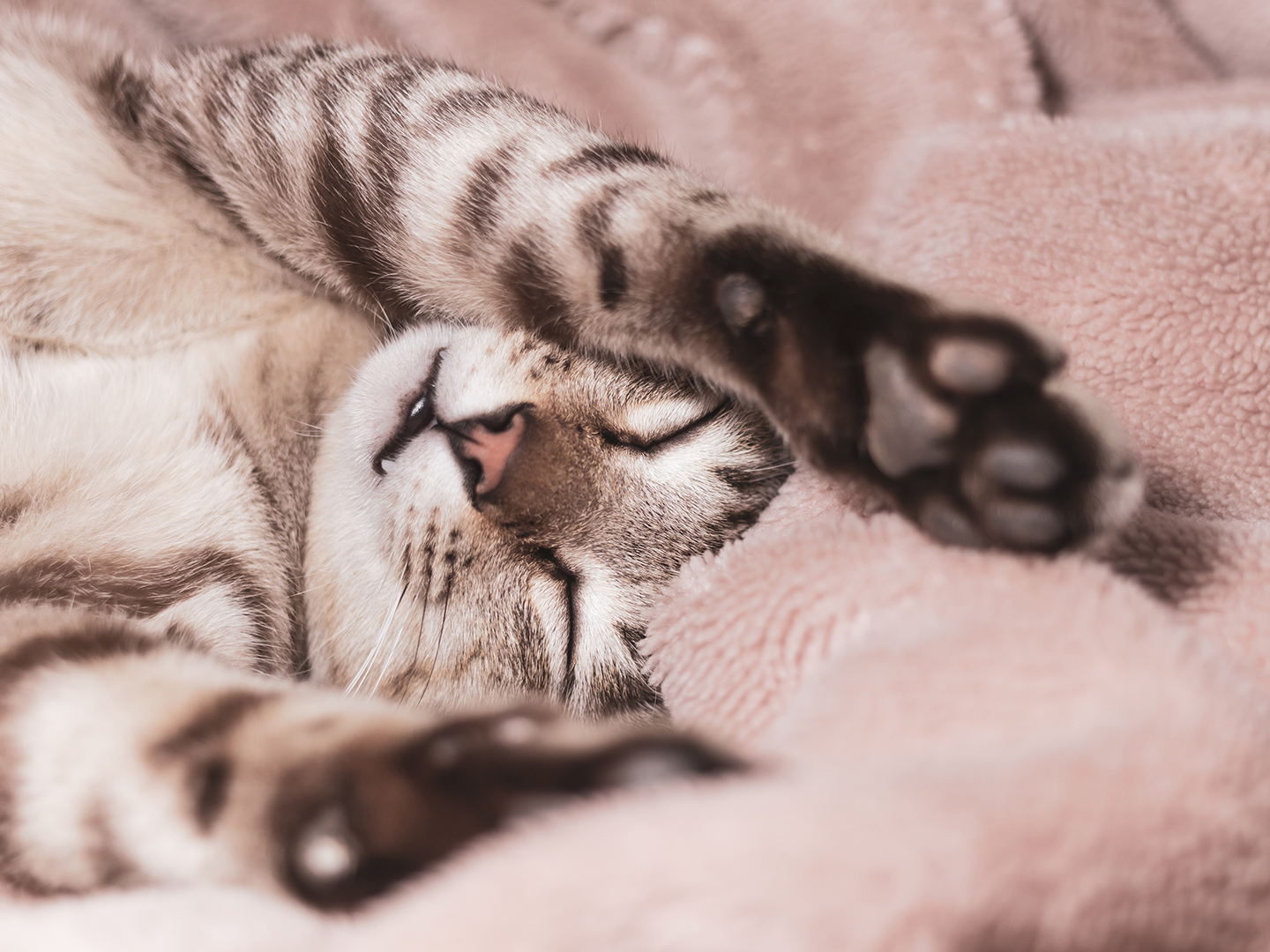
What Exactly Is Feline Pillow Foot?
Feline pillow foot, or plasma cell pododermatitis, is a dermatological condition characterized by the massive infiltration of plasma cells into the tissue of the cat’s paw pads. To understand this, we first need to look at what plasma cells actually do. In a healthy body, plasma cells are a specialized type of white blood cell that produces antibodies (immunoglobulins) to fight off infections. They are the soldiers of the immune system.
However, in cases of pillow foot, these cells congregate in the paw pads in overwhelming numbers for reasons that veterinary science is still working to fully uncover. This infiltration causes the pads to swell, lose their usual leathery texture, and become soft or “doughy.” While the condition is relatively rare, its impact on a cat’s mobility can be profound. Most cats remain otherwise healthy, though a small percentage may exhibit systemic symptoms like lethargy or a low-grade fever. Maintaining overall health, including proper dental care, is essential because the immune system is a complex, interconnected network.
The Mystery of the Cause
Why do plasma cells suddenly decide to invade the paws? This is the million-dollar question. While a definitive cause remains elusive, most experts agree that it is an immune-mediated disorder. There is some evidence suggesting an association with Feline Immunodeficiency Virus (FIV), as a significant number of cats diagnosed with pillow foot also test positive for the virus. However, plenty of FIV-negative cats develop the condition as well. Some researchers speculate there may be a seasonal component or an allergic trigger, but for now, the primary consensus is that the body’s immune response has simply gone into overdrive in a very specific location.
Recognizing the Signs: Is It Pillow Foot?
As a cat owner, you are the first line of defense. Because cats are masters at hiding pain, you need to be observant of subtle changes in their behavior and physical appearance. Pillow foot doesn’t usually happen overnight; it is often a gradual progression that owners notice during routine activities like nail trimming or play.
- Texture Changes: The most hallmark sign is the texture of the large central pad (the metacarpal or metatarsal pad). It will feel soft, squishy, or like a small bean bag rather than firm and resilient.
- Visual Swelling: The pads will look distended. In some cases, they may take on a purplish or bluish hue. While the large pads are most commonly affected, the smaller toe pads can also join in the swelling.
- Ulceration and Sores: In advanced or severe cases, the skin on the pad can become so stretched that it cracks or develops open sores. This can lead to secondary bacterial infections and visible bleeding.
- Lameness and Lethargy: If it hurts to walk, your cat will walk less. You might notice a limp, or perhaps your cat stops greeting you at the door. If your cat is already struggling with weight, this can exacerbate the pressure on their paws; it’s worth looking into how to help an overweight cat lose weight to reduce the physical stress on their sensitive limbs.
- Over-grooming: Some cats will obsessively lick or bite at their paws in an attempt to soothe the throbbing sensation.
The Diagnostic Process
If you suspect your cat has pillow foot, a trip to a veterinarian—ideally one with experience in feline dermatology—is essential. While a visual exam can often provide a strong lead, your vet will want to rule out other culprits like fungal infections, foreign bodies (like a splinter), or even certain types of cancer.
Diagnosis typically involves a Fine Needle Aspirate (FNA). Your vet will use a thin needle to collect a small sample of cells from the swollen pad. Under a microscope, if they see a sea of plasma cells, the diagnosis is likely confirmed. In more complex or ambiguous cases, a tissue biopsy may be performed. This involves taking a small piece of the pad tissue under sedation to get a definitive look at the architecture of the disease. Your vet may also recommend a blood test to check for FIV and FeLV, as these can influence the long-term management strategy.
Treatment Strategies: Managing the Immune Response
The good news is that feline pillow foot is highly treatable, and many cats go on to live completely normal, pain-free lives. Because the issue is rooted in an overactive immune response, the treatment focuses on modulating that response.
The Role of Doxycycline
The most common first-line treatment is surprisingly an antibiotic: Doxycycline. While we usually think of antibiotics for killing bacteria, Doxycycline has potent immunomodulatory and anti-inflammatory properties. Many cats respond remarkably well to a long course (often several weeks or months) of this medication. It helps to settle the “over-excitement” of the plasma cells and allows the pad to return to its normal size.
Corticosteroids and Cyclosporine
If Doxycycline isn’t enough, vets may turn to stronger immunosuppressive drugs. Corticosteroids (like prednisolone) can rapidly reduce inflammation, though they come with more potential side effects with long-term use. Cyclosporine is another option that helps suppress the specific immune pathways causing the swelling without the broad-spectrum side effects of steroids.
Surgical Intervention
In very rare, extreme cases where the tissue has become severely ulcerated or does not respond to any medical management, surgical removal of the affected pad tissue may be considered. However, this is generally a last resort, as the goal is always to preserve the natural cushioning of the paw.
Home Care and Environmental Adjustments
While the medication does the heavy lifting, your role at home is to provide a healing environment. When a cat has sensitive, swollen paws, every surface they walk on matters. One of the most impactful changes you can make is switching to a softer, more forgiving substrate in the litter box. Hard, clay-based clumps or sharp silica crystals can feel like walking on glass for a cat with pillow foot. Consider transitioning to a natural litter that offers a softer texture and keeps the environment cleaner for open sores.
Additionally, try to keep your cat indoors during the recovery phase to prevent them from walking on rough outdoor surfaces like gravel or hot pavement. Ensure their favorite sleeping spots are easily accessible—perhaps move their bed to the floor if they are currently having trouble jumping.
People Also Ask (FAQ)
Is pillow foot in cats contagious?
No, feline pillow foot is not contagious to other cats, dogs, or humans. It is an internal immune system malfunction specific to the individual cat.
Can pillow foot go away on its own?
While there are anecdotal reports of spontaneous regression, it is rare. Without treatment, the condition usually persists or worsens, leading to painful ulcers and infections. Veterinary intervention is strongly recommended.
Is pillow foot painful for cats?
Yes, in most cases, it is quite painful. The swelling causes significant pressure, and if the skin breaks, it becomes an open wound. If your cat is limping, they are likely in considerable discomfort.
Does diet affect pillow foot?
There is no specific diet proven to cause or cure pillow foot, but a high-quality, anti-inflammatory diet rich in Omega-3 fatty acids can support overall skin and immune health.
Expert Verdict and Final Thoughts
Feline plasma cell pododermatitis is a visual shock for many owners, but it doesn’t have to be a source of panic. As an enthusiast who has seen many “mystery” conditions in the exotic and domestic pet world, I can tell you that the key is consistency. Treatment for pillow foot is often a marathon, not a sprint. You may need to administer medication for months, and you must work closely with your vet to taper doses slowly to prevent flare-ups.
By catching the symptoms early—those subtle “squishy” beans—you can prevent the progression to painful ulceration. Your cat’s paws are their connection to the world; keeping them healthy is one of the best ways to ensure your feline friend stays active, curious, and happy well into their senior years. Stay vigilant, keep those paws clean, and never underestimate the power of a soft place to land.
Actionable Conclusion
If you suspect your cat is developing pillow foot, take these steps immediately: 1. Schedule a veterinary exam to get a proper diagnosis via FNA or biopsy. 2. Discuss a Doxycycline trial with your vet, as it is often the most effective and least invasive first step. 3. Audit your home environment by switching to a soft, natural litter and ensuring easy access to food and water without jumping. 4. Monitor closely for any signs of secondary infection like pus or foul odors from the paws. With the right care, those “pillows” will be back to healthy “beans” in no time.


