It starts as a seemingly innocent habit: your cat kneading a favorite blanket, perhaps sucking on the corner of a wool sweater while purring loudly. However, for many feline owners, this behavior quickly escalates from a quirky trait to a destructive and dangerous habit known as pica. Pica is the clinical term for the craving and ingestion of non-food items, ranging from wool and cotton to plastic, shoelaces, and even electrical cords. While it might appear as a mere lack of discipline, pica is actually a complex feline compulsive disorder with deep genetic, psychological, and physiological roots. Understanding why your cat is drawn to these materials is the first step in protecting their health and preserving your wardrobe.
The Science of Pica: Why Do Cats Eat Wool?
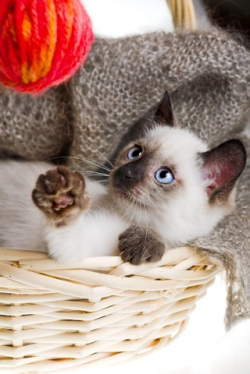
While any cat can develop unusual chewing habits, the tendency to target wool is most prevalent in Oriental cat breeds. Siamese, Burmese, and Tonkinese cats are genetically predisposed to this behavior. Research suggests that these breeds may have a higher threshold for oral stimulation, or perhaps a genetic quirk that links the act of sucking to a sense of profound security. In many cases, wool-sucking is an extension of infantile nursing behavior. If a kitten is weaned too early, they may transfer their nursing instinct onto soft, fibrous materials that mimic the feel of their mother’s fur.
Beyond genetics, pica is often categorized as a feline compulsive disorder. Much like human obsessive-compulsive disorder (OCD), the behavior can be triggered by stress, boredom, or anxiety. When a cat chews or sucks on wool, it may release endorphins that help the animal cope with environmental stressors. Over time, this becomes a self-soothing mechanism that the cat cannot easily stop on its own. It is essential to recognize that this is not just “bad behavior” but a medical condition that requires a structured approach to supporting cat wellness through both physical and mental intervention.
Identifying the Signs and Risk Factors
Pica typically surfaces between the ages of four months and one year. While some kittens grow out of the phase, many transition into adult cats with a fixed obsession. Owners should look for specific red flags: mouthing, intensive sucking, and eventual ingestion of fabrics. You might also notice your cat kneading excessively with their forepaws and salivating while they work on the material. This trance-like state is a hallmark of the compulsive nature of the disorder.
Understanding what your cat is trying to tell you is crucial. Often, these behaviors are exacerbated by changes in the household, such as a new pet, a move, or even a change in the owner’s work schedule. By learning more about cat communication, you can better identify if your pet is acting out due to environmental stress or if the issue is purely biological.
The Hidden Dangers: From Shredded Sweaters to Surgery
The most immediate concern for owners is often the destruction of household items, but the true danger lies within the cat’s digestive tract. Cats have backward-facing barbs on their tongues (papillae) which make it very difficult for them to spit something out once they have started swallowing it. When a cat ingests wool or plastic, these materials do not break down in the stomach. Instead, they can form a bezoar or a linear foreign body, leading to a life-threatening intestinal obstruction.
Symptoms of a blockage include persistent vomiting, lethargy, loss of appetite, and abdominal pain. According to recent veterinary data from 2023, gastrointestinal foreign body surgeries are among the most common emergency procedures for indoor cats, with costs often ranging from $2,000 to over $5,000. Without immediate surgical intervention, a complete blockage can lead to tissue necrosis and fatal complications. Therefore, managing pica is not just about saving your clothes; it is about saving your cat’s life.
A Multi-Pronged Approach to Treatment
Treating feline pica requires a combination of medical intervention, dietary changes, and behavior modification. There is no “quick fix,” but a consistent plan can significantly reduce the frequency of the behavior.
Medical Intervention and Pharmacotherapy
In severe cases, veterinarians may prescribe selective serotonin reuptake inhibitors (SSRIs) like fluoxetine (Prozac®). These medications work by increasing the levels of serotonin in the brain, which helps to stabilize mood and reduce the urge to engage in compulsive behaviors. The goal is often to use medication as a temporary bridge while behavior modification techniques are put into place, eventually weaning the cat off the drug under professional supervision.
Dietary Management: The Role of Fiber
Some researchers believe that pica may be linked to a nutritional deficiency or a lack of roughage in the diet. Transitioning your cat to a high-fiber diet can sometimes provide the “bulk” they are seeking through wool ingestion. High-fiber kibble or specific veterinary formulas help the cat feel fuller and provide a different texture for chewing. Additionally, providing safe alternatives like cat grass (oats or wheatberry) can satisfy the urge to chew on organic matter without the risk of an intestinal blockage.
Environmental Enrichment
Boredom is a significant catalyst for compulsive chewing. To combat this, you must increase your cat’s daily activity levels. Interactive play sessions using wand toys, laser pointers, and feather teasers can drain excess energy. Puzzle feeders and treat balls are also excellent tools; they force the cat to use their paws and brain to release food, mimicking the natural hunting process and providing a productive outlet for oral fixations.
Management: Creating a Safe Home Environment
While you work on the underlying causes, you must manage the environment to prevent access to dangerous materials. This is an essential part of creating a pet-friendly home. Consider the following steps:
- Storage: Keep all wool sweaters, socks, and blankets in plastic bins or behind closed closet doors.
- Substitutions: If your cat loves a wool blanket on your bed, try replacing it with a cotton or microfiber spread that doesn’t have the same tempting texture.
- Deterrents: For items that cannot be moved, such as rugs, you may use non-toxic bitter sprays to make the material unpalatable.
Expert Review: The Verdict on Pica Recovery
Veterinary behaviorists generally agree that while pica can be managed, it is often a lifelong tendency. Success is measured by the reduction of the behavior and the prevention of ingestion rather than a total “cure.” Data from long-term feline behavior studies suggests that cats who receive both environmental enrichment and dietary adjustments show a 60-70% improvement in compulsive symptoms. Owners are urged to stay vigilant, as a sudden lapse in enrichment or an increase in household stress can cause the behavior to return.
Frequently Asked Questions (FAQ)
Is wool-sucking the same as pica?
Wool-sucking is often the precursor to pica. While sucking on its own is a comforting behavior, it becomes pica the moment the cat begins to chew and swallow the fibers.
Can kittens grow out of eating wool?
Some kittens who were weaned too early may grow out of the behavior as they gain confidence and mature. However, if the behavior persists past the age of one, it is likely a compulsive disorder that requires intervention.
Are there specific fabrics that are safer for pica-prone cats?
Generally, smooth fabrics like cotton, silk, or high-quality synthetics are less likely to trigger the nursing/chewing instinct than loose-weave fabrics like wool, fleece, or crochet.
How do I know if my cat has an intestinal blockage?
Watch for frequent vomiting, inability to keep down water, a bloated or painful abdomen, and a lack of bowel movements. If you see these signs, contact a veterinarian immediately.
Does cat grass help with pica?
For some cats, yes. It provides a safe, digestible fiber source that can satisfy the urge to chew. However, monitor your cat to ensure they aren’t also eating the dirt or the plastic container.
Conclusion
Feline pica is a challenging condition that tests the patience and resources of any pet owner. By recognizing the genetic predispositions of breeds like the Siamese and understanding the psychological triggers of compulsive behavior, you can take proactive steps to protect your feline companion. Through a combination of veterinary guidance, environmental management, and mental stimulation, it is possible to curb the urge to chew and ensure your cat leads a long, healthy, and “sweater-free” life.


