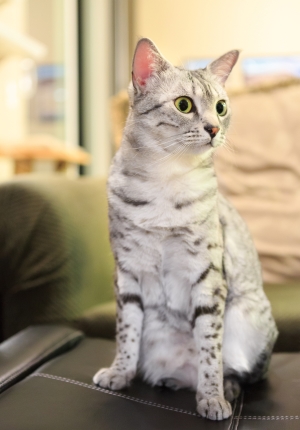
The Egyptian Mau is more than just a house cat; it is a living relic of history, a feline athlete, and a loyal companion that has captured human hearts for millennia. Distinguished as the only naturally spotted breed of domestic cat, the Mau carries an air of regal mystery that traces back to the ancient courts of Egypt. Unlike many modern breeds that were meticulously crossbred by humans, the Egyptian Mau’s striking appearance is a gift from nature itself. With a lineage potentially dating back to 1400 BC, these cats are depicted in ancient Egyptian papyri and wall paintings, often seen assisting their human counterparts in bird hunting or lounging beneath the chairs of pharaohs. Today, they remain a rare and exotic choice for pet owners who appreciate a cat with a high level of intelligence, incredible speed, and a fiercely devoted personality.
The Living Legacy: A History Rooted in Antiquity
Historians and geneticists alike have long been fascinated by the Egyptian Mau’s origins. While many breeds claim ancient roots, DNA sequencing has confirmed that the Mau is closely related to the African Wildcat, the progenitor of all domestic felines. However, it was the Russian Princess Natalie Troubetskoy who is credited with bringing the breed into the modern spotlight. In the 1950s, while living in Italy, she was gifted a silver spotted kitten from the Egyptian embassy. Captivated by the cat’s beauty and temperament, she used her political influence to import more Maus and eventually brought the breed to the United States in 1956.
Since then, the Egyptian Mau has been recognized by major registries like the Cat Fanciers’ Association (CFA) and The International Cat Association (TICA). Despite their popularity among enthusiasts, they remain a relatively rare breed. According to 2023-2024 registration data, the Egyptian Mau consistently ranks in the middle tier of breed popularity, making them a unique sight in the modern household. Their rarity is often attributed to the high standards required for breeding, as maintaining the distinct “gooseberry green” eyes and clear spotted pattern requires careful genetic selection.
Physical Attributes: The Cheetah of the Cat World
Physically, the Egyptian Mau is built for performance. While they typically weigh between 5 and 12 pounds, their bodies are incredibly muscular and agile. One of their most unique anatomical features is a primordial skin flap that extends from the point of the knee to the flank. This flap is similar to that of a cheetah and allows for greater hind-leg extension, enabling the Mau to reach speeds of up to 30 miles per hour. They are arguably the fastest domestic cats on the planet.
Their coat is their crowning glory. It features random spots that occur only on the tips of the hair, giving it a shimmering, lustrous appearance. While the silver, bronze, and smoke varieties are the most commonly accepted in show rings, all Maus possess the characteristic “M” marking on their forehead, often referred to as the mark of the scarab. To keep this beautiful coat in top condition, owners should focus on high-quality nutrition and environmental hygiene. For those looking to upgrade their pet’s environment, learning how to transition your cat to a natural litter can provide a cleaner, more eco-friendly space that complements the Mau’s refined nature.
Personality and Social Behavior: The Loyal Shadow
The personality of an Egyptian Mau is a fascinating blend of independence and intense devotion. They are often described as “one-person cats,” typically bonding deeply with a specific member of the household. While they may be aloof or cautious around strangers, they are vigorously playful with their chosen family. Their intelligence is remarkable; many owners report that their Maus can learn to open doors, fetch toys, and even walk on a leash with ease.
One of the most charming aspects of the Mau is their vocalization. They do not merely meow; they chortle and chuckle when happy. When they are excited, they are also known to engage in a behavior called “wiggle-tail,” where they vibrate their tails rapidly as if they are marking territory, though they are usually just expressing joy. Understanding these subtle cues is essential for a happy household; you can learn more about these behaviors in our guide to the art of cat communication. This breed thrives on routine and can be sensitive to loud noises or sudden changes in their environment, so a stable home life is paramount.
Health and Wellness: Protecting the Ancient Lineage
The Egyptian Mau is generally a robust and healthy breed with a lifespan of 12 to 15 years. However, like all pedigreed animals, they are prone to certain genetic conditions. Hypertrophic Cardiomyopathy (HCM) is a heart condition that has been observed in some lines, making regular veterinary check-ups essential. Because they are so active, they require a diet rich in high-quality protein to maintain their muscle mass and energy levels. Overfeeding can lead to obesity, which is particularly detrimental to a breed designed for speed and agility.
In addition to physical health, mental stimulation is vital. Without proper engagement, a Mau can become bored and destructive. Interactive toys, climbing trees, and daily play sessions are non-negotiable. Proactive owners often seek out purr-fectly well strategies for supporting cat wellness to ensure their feline friends remain sharp and healthy well into their senior years. Regular dental care and occasional brushing are the only grooming requirements, as their short coats are relatively low-maintenance.
Expert Verdict: Is the Egyptian Mau Right for You?
The Egyptian Mau is an extraordinary breed, but it is not for everyone. They require a significant amount of interaction and do not do well if left alone for long periods. If you are looking for a “living ornament” that will sit quietly on the sofa all day, the Mau will likely disappoint. However, if you want a highly intelligent, active, and fiercely loyal companion who will follow you from room to room and participate in your daily life, the Mau is an unmatched choice.
Frequently Asked Questions
- Are Egyptian Maus good with children and other pets? Yes, they generally get along well with children and other pets, provided they are introduced slowly. However, their high prey drive may make them unsuitable for households with small rodents or birds.
- Do Egyptian Maus shed a lot? They are moderate shedders. A weekly brushing session is usually sufficient to remove loose hair and keep the coat glossy.
- Are they hypoallergenic? No, the Egyptian Mau is not hypoallergenic. They produce dander like most other breeds.
- How fast can they actually run? They have been clocked at speeds up to 30 mph (48 km/h), making them the fastest domestic cat breed.
- Why are their eyes called “gooseberry green”? This refers to a specific shade of light, translucent green that is a hallmark of the breed. Kittens are born with amber eyes that transition to green as they mature.
Conclusion
The Egyptian Mau is a stunning testament to the enduring bond between humans and felines. From the temples of ancient Egypt to the modern living room, they have retained their wild beauty and spirited independence. By providing them with a stimulating environment, high-quality nutrition, and plenty of affection, you will be rewarded with a companion that is as loyal as it is beautiful. Owning an Egyptian Mau is not just about having a pet; it is about stewardship of one of the world’s oldest and most magnificent feline lineages.


