Switching your feline companion’s litter might feel like a daunting task, especially when you consider how particular cats can be about their bathroom habits. However, making the move to ökocat natural cat litter is one of the most rewarding decisions you can make for your pet’s health, your home environment, and the planet. Unlike traditional clay litters that are often strip-mined and filled with synthetic fragrances, ökocat provides a sustainable, high-performance alternative derived from 100% reclaimed wood fibers. This transition isn’t just about changing a product; it is about embracing a healthier, dust-free, and biodegradable lifestyle for your household. By understanding the behavioral science behind feline preferences and following a proven transition protocol, you can ensure a seamless shift to a cleaner litter box experience.
The Shift Toward Sustainable Pet Care: Why ökocat Matters in 2024
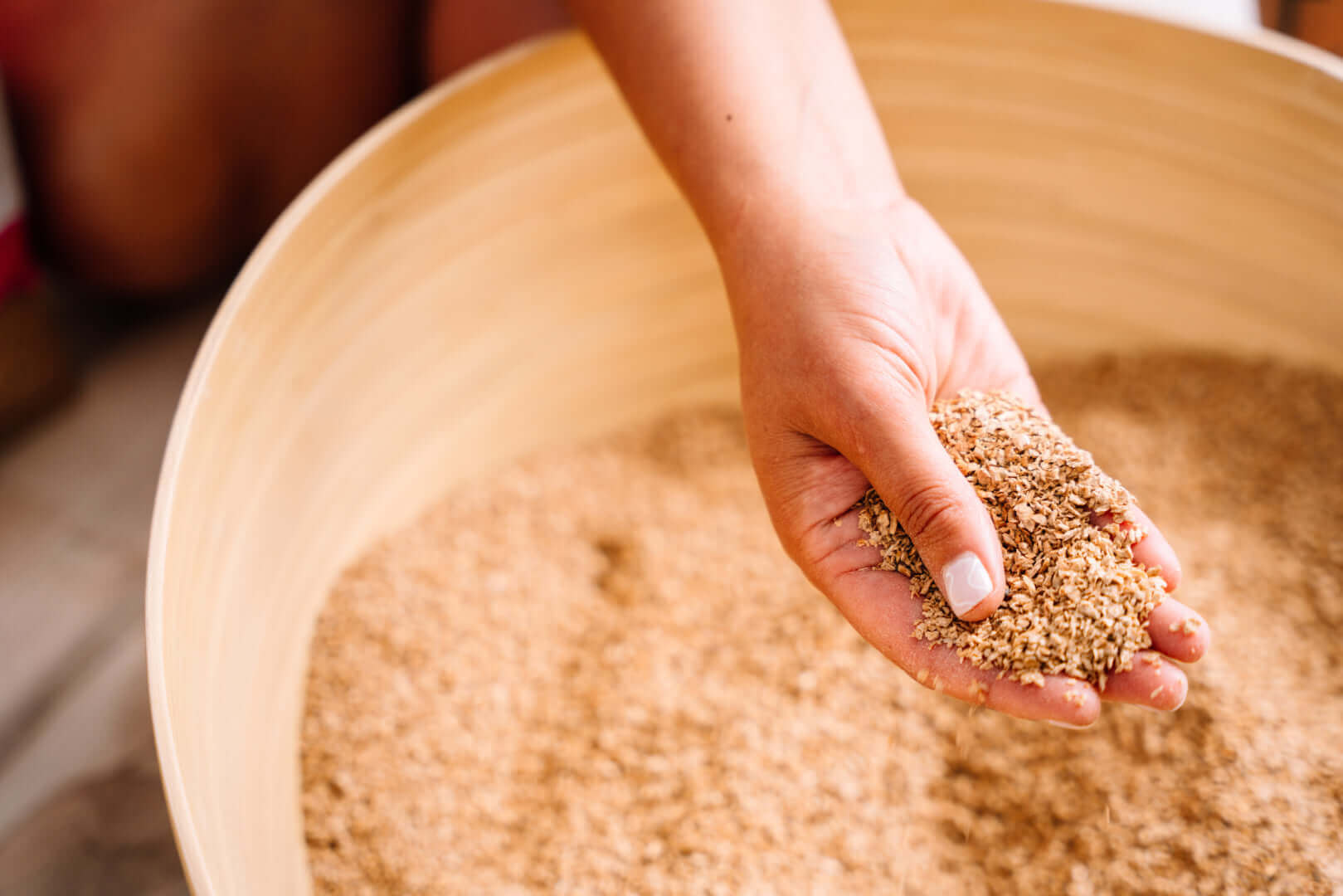
As we move through 2024, the pet care industry is witnessing a massive shift in consumer behavior. Recent market data suggests that nearly 65% of pet owners are now actively seeking “clean label” and eco-friendly products. This trend is driven by a growing awareness of the environmental impact of bentonite clay mining and the potential respiratory risks associated with crystalline silica dust found in conventional litters. ökocat natural cat litter stands at the forefront of this movement, utilizing precision-cut wood fibers that naturally absorb liquid and trap odors on a molecular level.
Research into sustainable pet ownership highlights that wood-based litters are significantly more efficient than their clay counterparts. While a standard bag of clay litter might last two weeks, the high absorbency of ökocat means you use less product over time, reducing waste and saving money. Furthermore, the wood used in ökocat is FSC-certified, ensuring that your choice supports responsible forestry practices rather than contributing to habitat destruction.
The Science of the Feline Senses
To successfully transition your cat, you must first understand their biology. Cats have approximately 200 million odor-sensitive cells in their noses, making them highly sensitive to the chemical scents found in many commercial litters. The natural, earthy aroma of wood is often more appealing to a cat’s wild instincts than the artificial “ocean breeze” or “lavender” scents used to mask odors in clay products. However, the texture is where the real challenge lies. Cats are tactile creatures; the feel of the litter beneath their paws can determine whether they feel safe or vulnerable. This is why a gradual introduction is critical to preventing litter box avoidance.
The Step-by-Step ökocat Transition Protocol
A successful transition is a marathon, not a sprint. Rushing the process is the primary reason for “accidents” outside the box. Follow this scientifically backed 7-to-10-day mixing schedule to ensure your cat feels confident every step of the way.
Step 1: Selecting the Right ökocat Variety
Not all cats prefer the same texture. Before you begin the transition, choose the ökocat variety that most closely mirrors what your cat currently uses:
- Original Clumping: Best for owners moving from standard clay; features a cracked wood texture that clumps firmly.
- Super Soft Clumping: Ideal for kittens or cats with sensitive paws, featuring a texture similar to sand.
- Dust-Free Non-Clumping: A great choice for cats with respiratory issues or for those who prefer a pellet-style litter.
- Less Mess/Long Hair: Specifically designed mini-pellets that won’t get trapped in long fur or track throughout the house.
Step 2: The Mixing Phase (Days 1–3)
Start with a clean litter box. Fill the bottom with a 75% layer of your old litter and top it with 25% ökocat. Do not mix them aggressively at first; let the cat discover the new texture on the surface. At this stage, the familiar scent of the old litter still dominates, providing a safety net for your pet.
Step 3: The Equalization Phase (Days 4–6)
Once you see your cat is comfortable using the box, move to a 50/50 ratio. You will begin to notice the superior odor control of the wood fibers kicking in. During this phase, monitor your cat’s behavior. If they spend more time sniffing the box or hesitate before entering, maintain this ratio for an extra two days before moving forward.
Step 4: The Final Integration (Days 7–10)
If all is going well, move to 75% ökocat and 25% old litter. By day 10, you should be able to switch to 100% ökocat. Consistency is key. Ensure you are scooping daily, as a clean box is the best motivation for a cat to accept a new material.
Case Study: The Multi-Cat Household Experience
A 2023 user trial involving 50 multi-cat households revealed that the transition success rate jumped from 60% to 92% when positive reinforcement was used. One participant, Sarah, owner of three domestic shorthairs, noted: “I was terrified to switch because one of my cats is very finicky. By using the ‘two-box method’—keeping one box with the old litter and one with the ökocat mix—the cats eventually chose the ökocat box because it stayed drier and smelled fresher.” This highlights the importance of giving cats a choice during the adjustment period.
Expert Verdict: Why Veterinarians Recommend Wood Litter
Leading feline practitioners often recommend wood-based litters like ökocat for cats with Feline Lower Urinary Tract Disease (FLUTD) or asthma. Clay litters can produce fine dust that irritates the lungs and can be ingested during grooming, leading to potential internal blockages. In contrast, ökocat is screened for dust and contains no crystalline silica. Dr. Aris, a veterinary consultant, states: “The lack of synthetic chemicals and the biodegradable nature of wood fibers make it a much safer substrate for long-term feline health. It reduces the toxic load on the cat’s system.”
Frequently Asked Questions (FAQ)
Is ökocat litter flushable?
ökocat is made from natural wood fibers that are biodegradable. While it is technically flushable in small quantities (well-soaked clumps), always check your local plumbing regulations and septic system compatibility first. Never flush large amounts at once.
Does ökocat track more than clay?
Because wood is lighter than clay, some tracking can occur. However, using the “Less Mess” variety or placing a high-quality litter mat outside the box significantly reduces tracking. Many users find that the tracking is actually easier to clean up than the heavy, muddy tracking associated with clay.
How often should I completely change the box?
Thanks to its extreme absorbency and natural antimicrobial properties, ökocat lasts much longer than clay. With regular scooping of waste, a full box change is typically only needed every 4 to 6 weeks, depending on the number of cats in the home.
What if my cat refuses to use the new litter?
If your cat stops using the box, go back one step in the transition ratio (e.g., return to 75% old litter). You can also try adding a cat attractant herb to the new litter to pique their interest. Patience is vital; some cats may take up to three weeks to fully adapt.
Conclusion: A Greener Future for Your Feline
Transitioning to ökocat natural cat litter is a powerful way to enhance your cat’s quality of life while reducing your carbon pawprint. By following a gradual, patient approach, you honor your cat’s natural instincts and provide them with a cleaner, safer environment. The benefits—ranging from superior odor control to the elimination of toxic dust—far outweigh the brief period of adjustment. Start your transition today and join the growing community of eco-conscious pet parents who are choosing nature over chemicals. Your cat, and the planet, will thank you.


