There is something undeniably prehistoric and grounding about sharing your home with a turtle or tortoise. As a lifelong exotic pet enthusiast, I’ve found that these shelled companions offer a unique kind of companionship—one that moves at a slower, more deliberate pace. Unlike a dog or a cat, a tortoise doesn’t demand a game of fetch the moment you walk through the door, but they do offer a quiet, stoic presence that can last for decades. However, many people dive into chelonian ownership without realizing the monumental responsibility it entails. These are not ‘low-maintenance’ pets in the way many pet stores advertise them. From complex UV lighting requirements to massive adult sizes, choosing a turtle or tortoise is a decision that requires deep research and a genuine passion for reptilian husbandry. Whether you are captivated by the aquatic grace of a Red-eared slider or the sturdy, ancient charm of a Hermann’s tortoise, understanding the nuances of their care is the first step toward a successful journey together. In this guide, we will peel back the layers of what it really takes to provide a thriving environment for these remarkable creatures, ensuring they don’t just survive in your care, but truly flourish for the many years to come.
The Great Debate: Is it a Turtle or a Tortoise?
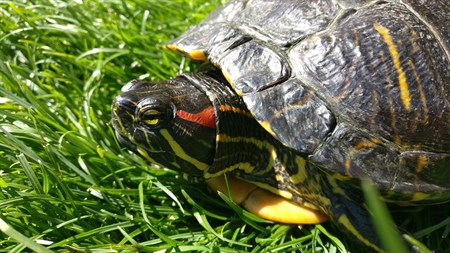
Before you visit a breeder or a rescue center, you must understand the fundamental differences between these two groups. While all tortoises are technically turtles, not all turtles are tortoises. The primary distinction lies in their habitat and physiology. Turtles are generally aquatic or semi-aquatic. They possess webbed feet or even paddle-like flippers, which make them graceful swimmers but somewhat awkward on land. Their shells are often flatter and more streamlined to help them glide through the water with ease.
Tortoises, on the other hand, are strictly land-dwellers. They lack webbed feet entirely; instead, they have heavy, stumpy legs that resemble those of an elephant. These ‘columnar’ limbs are designed to support their weight as they trek across dry terrain. If you were to place a tortoise in deep water, it would struggle significantly and likely drown, as they are not equipped for swimming. Their shells are typically more domed, providing protection against predators on land. Understanding this distinction is vital because the setup for an aquatic turtle is vastly different from the arid or tropical enclosure required by a tortoise.
Choosing the Right Species: Size and Longevity
One of the most common mistakes new keepers make is underestimating how large their pet will grow. Dr. Alice Blue-McLendon, a clinical associate professor at Texas A&M, emphasizes that doing your homework on specific breeds is non-negotiable. Take the Sulcata tortoise (African Spurred Tortoise) as an example. These hatchlings are adorable, fitting easily in the palm of your hand. However, they can grow to weigh over 200 pounds and live for 80 to 100 years. For most families, a 200-pound animal that can plow through drywall or backyard fences is not a feasible indoor pet.
If you are looking for a more manageable land companion, the Hermann’s tortoise or the Russian tortoise are excellent alternatives. They remain relatively small (usually under 10 inches) and are much easier to house in a standard indoor ‘tortoise table.’ For those drawn to the water, the Red-eared slider is a classic choice, though they require a large, powerful filtration system and a tank that can accommodate their active swimming habits. Regardless of the species, you must prepare for a long-term commitment. Many of these animals will outlive their owners, making it necessary to consider their care in your long-term estate planning or will.
Habitat Setup: Recreating the Natural World
Creating a home for a reptile is about more than just a glass box; it is about engineering a micro-climate. For tortoises, the environment must include a temperature gradient. This allows the animal to move between a ‘basking spot’ (usually 95-100°F) and a cooler area to regulate its body temperature. Substrate is equally important; for many species, a mix of organic topsoil and coconut coir helps maintain humidity and allows for natural burrowing behavior. When designing your enclosure, it is also important to consider safety. Using high-heat lamps requires careful installation, and setting your home up for success involves being mindful of fire awareness when using specialized reptile equipment.
For aquatic turtles, the challenge is water quality. Turtles are messy eaters and produce a significant amount of waste, which can quickly lead to ammonia spikes. A high-quality canister filter is usually required to keep the water crystal clear. Additionally, aquatic turtles need a dry basking platform where they can completely exit the water to dry their shells and soak up UVB rays. Without this, they are prone to shell rot and fungal infections. UVB lighting is perhaps the most critical component for both turtles and tortoises. Without specific wavelengths of light, they cannot synthesize Vitamin D3, which is essential for calcium absorption. A lack of UVB leads to Metabolic Bone Disease (MBD), a painful and often fatal condition where the shell and bones become soft and deformed.
Nutrition and The Chelonian Diet
Dietary needs vary wildly between species. Most tortoises are herbivores, requiring a diet high in fiber and calcium but low in protein and sugar. While pet stores sell commercial pellets, these should only be a supplement, not the main course. A healthy tortoise diet should consist primarily of dark, leafy greens like collard greens, dandelion greens, and mustard greens. Avoid iceberg lettuce, which is nutritionally void. For those managing the nutritional intake of their shelled friends, finding helpful tips for a healthy diet can ensure you are providing the right balance of vitamins and minerals.
Aquatic turtles are typically omnivores. As juveniles, they require more protein (such as small insects, feeder fish, or high-quality turtle pellets) to support growth. As they age, they transition to eating more vegetation. Overfeeding is a common issue that leads to ‘pyramiding’—a shell deformity where the scutes grow into unnatural peaks. Providing a varied diet that mimics what they would find in the wild is the best way to ensure a long life. Always remember to provide a source of calcium, such as a cuttlebone, which they can nibble on to keep their beaks trim and their bones strong.
Health, Hygiene, and the Salmonella Risk
Reptiles are fascinating, but they do carry biological risks that keepers must respect. The CDC has long warned that nearly all reptiles, including turtles and tortoises, can carry Salmonella. This bacteria is shed in their feces and can easily spread to their skin, shells, and enclosure surfaces. For healthy adults, a Salmonella infection might cause a few days of stomach distress, but for young children, the elderly, or those with compromised immune systems, it can be severe. This is why it is vital to practice preventive pet care by maintaining a rigorous cleaning schedule.
Washing your hands thoroughly after handling your pet or cleaning their habitat is the single most effective way to prevent infection. Additionally, never clean turtle tanks or tortoise dishes in the kitchen sink where human food is prepared. Beyond hygiene, regular check-ups with an exotic animal veterinarian are essential. These specialists can spot early signs of respiratory infections or parasites that a general vet might miss. Investing in preventive pet care in the city or your local area is the best way to ensure your reptile enjoys a longer, happier life without hidden health issues lurking beneath the shell.
The Ethics of Sourcing Your Pet
One of the most important pieces of advice from Dr. Blue-McLendon is to avoid taking animals from the wild. When a turtle is removed from its natural habitat, it is not just ‘moving to a new house.’ You are disrupting local ecosystems and removing a potentially breeding adult from a population that may already be struggling. Furthermore, wild-caught reptiles are often riddled with parasites and suffer from extreme stress, leading to a significantly decreased life expectancy. Always seek out reputable breeders who specialize in captive-bred specimens. Not only are these animals generally healthier and more accustomed to human interaction, but you also support ethical practices within the exotic pet hobby.
People Also Ask: Common Questions About Shelled Pets
How long do pet turtles and tortoises live?
Longevity depends on the species, but most common pet turtles (like sliders) live 20 to 40 years. Tortoises are even more long-lived, with many species easily reaching 50 to 100 years. It is truly a multi-generational commitment.
Do turtles recognize their owners?
While they don’t wag their tails like dogs, many turtles and tortoises learn to associate their owners with food and safety. They may come to the side of the tank when you approach or even follow you around the yard in anticipation of a treat.
Can turtles and tortoises live together?
Generally, no. Mixing species can lead to the spread of diseases and aggressive behavior. Even individuals of the same species may fight over territory or resources. Most chelonians are solitary by nature and are perfectly happy living alone.
Expert Verdict and Final Thoughts
Keeping a turtle or tortoise is a rewarding experience that offers a window into the ancient world. However, it is not a hobby to be entered into lightly. The financial cost of proper lighting, large enclosures, and specialized veterinary care can add up quickly. But for those who are willing to put in the work, these animals offer a fascinating glimpse into reptilian behavior and a sense of continuity that few other pets can provide. By choosing a captive-bred animal, setting up a scientifically accurate habitat, and committing to a life-long journey of care, you can ensure that your shelled companion has the best possible life. The key takeaway is research: understand the adult size, the specific dietary needs, and the environmental requirements before you bring your new friend home. If you are ready for the commitment, a turtle or tortoise might just be the most stable, enduring friend you’ll ever have.


