As a lifelong cat lover and someone who has spent years observing the nuanced behaviors of exotic and domestic felines, I can tell you one thing with absolute certainty: cats are the ultimate masters of disguise. In the wild, showing weakness is an invitation to predators or a sign to competitors that a territory is up for grabs. Even though our modern house cats enjoy the comforts of heated beds and premium kibble, that deep-seated survival instinct remains fully intact. This evolutionary trait makes our job as pet parents incredibly difficult. We want to believe our cats are happy and healthy, but often, they are suffering in silence, wearing a mask of stoicism that can fool even the most attentive owner.
Understanding when your cat is hiding an illness or injury requires more than just a passing glance at their food bowl. It requires a deep, intuitive connection with their daily rhythms and an eye for the ‘subtle shift.’ Whether it is a slight change in the way they jump onto the sofa or a newfound preference for sleeping in the back of a dark closet, these tiny deviations are often the only clues we get before a health issue becomes a full-blown emergency. In this comprehensive guide, we will dive into the expert insights provided by veterinary professionals and seasoned enthusiasts to help you decode the silent language of feline distress.
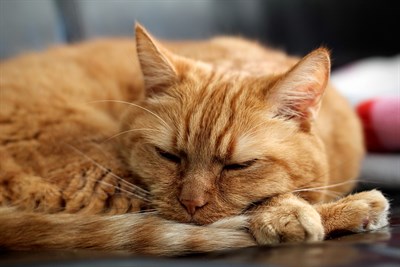
The Evolutionary ‘Why’: The Survival Instinct of the Stoic Feline
To truly understand why your cat hides their pain, we have to look back at their ancestry. Unlike dogs, who are social pack animals that often communicate distress to gain support from the group, cats are primarily solitary hunters. In the wild, a sick or injured cat is a vulnerable cat. Dr. Stacy Eckman from the Texas A&M College of Veterinary Medicine & Biomedical Sciences emphasizes that this behavior is rooted in a pure survival instinct. If a cat shows they are hurt, they become a target.
In our homes, this translates to a pet that behaves normally until their condition is quite advanced. This is why many owners are blindsided by a diagnosis of chronic kidney disease or arthritis; the cat has been compensating for months, perhaps years, without a single ‘meow’ of complaint. As owners, we must move past the idea that a cat will cry out if they are hurting. Instead, we must look for the absence of normal behaviors rather than the presence of obvious symptoms.
Subtle Behavioral Red Flags: The ‘Withdrawal’ Factor
One of the first signs that something is wrong is a change in social interaction. Cats are creatures of habit. If your cat usually greets you at the door with a vertical tail and a friendly head-butt, but suddenly stops, take note. Dr. Eckman points out that not getting up to greet you, if that is their normal behavior, is a significant subtle sign. A cat that is feeling unwell will often seek out quiet, secluded spots where they feel safe from interaction.
Keep a close eye on their sleeping patterns. While it is true that cats sleep a lot (often 12-16 hours a day), there is a difference between a healthy nap and lethargy. Is your cat sleeping more than normal? Are they laying in the same position for hours on end without moving? Are they choosing to sleep on the floor instead of their favorite high perch? These changes in ‘verticality’ are often linked to physical discomfort or a lack of energy caused by underlying systemic issues. For older cats, this withdrawal is frequently dismissed as ‘just slowing down,’ but it is often a sign of one of the 7 common health problems in senior cats that require veterinary intervention.
Appetite and Hydration: The Canary in the Coal Mine
Monitoring the food and water bowl is perhaps the most practical way to gauge your cat’s internal health. A sudden loss of appetite (anorexia) in cats is a medical emergency, as it can lead to hepatic lipidosis (fatty liver disease) in as little as 24 to 48 hours. However, the changes are often more nuanced. A cat with dental pain might approach the bowl, act hungry, but then drop the food or only eat soft treats.
Hydration is equally telling. Increased water consumption (polydipsia) is a classic hallmark of feline diabetes or hyperthyroidism. If you find yourself refilling the water fountain twice as often as usual, or if your cat is suddenly obsessed with drinking from the kitchen faucet, it is time for blood work. Conversely, a cat that stops drinking altogether may be experiencing nausea or severe lethargy. Watching these patterns allows you to catch issues like cat bloat causes and symptoms early, before the condition becomes life-threatening.
The Litter Box: A Window into Internal Health
The litter box is your cat’s health diary. Any change in frequency, consistency, or behavior associated with the box is a major red flag. If a cat starts urinating outside the box, they aren’t ‘being spiteful.’ They are likely associating the box with pain. This could indicate a Urinary Tract Infection (UTI), bladder stones, or feline idiopathic cystitis.
Similarly, changes in stool consistency or the presence of blood should never be ignored. Digestive upset can be caused by anything from a simple change in diet to the ingestion of something dangerous. It is vital to be aware of your environment, as many household items can be toxic. Being familiar with top cat poisons and poisoning signs can help you distinguish between a minor stomach bug and an acute emergency that requires immediate detoxification.
Physical Appearance and Grooming Habits
A healthy cat is a well-groomed cat. Their coat should be sleek, shiny, and free of mats. When a cat is in pain—particularly from arthritis or spinal issues—they may find it difficult to twist and reach certain parts of their body. You might notice matting along the lower back or a generally ‘uncombed’ appearance. On the other end of the spectrum, over-grooming a specific area (licking a joint or the belly until the hair is gone) often indicates localized pain or feline hyperesthesia.
Don’t forget to look at their eyes. The ‘feline grimace scale’ is a tool vets use to identify pain by looking at ear position, eye squinting, and muzzle tension. A cat in pain often has ‘squinty’ eyes or dilated pupils that don’t match the lighting in the room. If their third eyelid (the haw) is visible, it is a definitive sign that the cat is physically taxed.
People Also Ask: Common Feline Health Questions
How can I tell if my cat is in pain if they aren’t crying?
Cats rarely vocalize pain. Look for ‘low energy’ behaviors: squinting, flattened ears, a hunched posture (the ‘meatloaf’ position but with more tension), and a reluctance to jump. If your cat stops using their scratching post, it may be because the stretching involved hurts their shoulders or back.
Why is my cat suddenly hiding under the bed?
Hiding is a primary defense mechanism. If your social cat suddenly spends all day under the bed or in the back of a closet, they are likely feeling vulnerable due to illness or injury. It is their way of ‘self-isolating’ to recover or stay safe while they are weak.
Is vomiting normal for cats?
While the occasional hairball happens, frequent vomiting is never normal. It can indicate food allergies, inflammatory bowel disease, kidney issues, or even an obstruction. If your cat vomits more than once a month, a vet visit is warranted.
Does a purring cat mean they are happy?
Not always. Cats also purr to self-soothe. A cat in intense pain or even a cat that is near death may purr loudly as a way to lower their blood pressure and manage stress. Always look at the context of the purring alongside other body language.
The Expert Verdict: The Power of Preventive Care
Because cats are so skilled at hiding their discomfort, Dr. Eckman and the team at Texas A&M stress the importance of regular veterinary check-ups. During an annual or bi-annual exam, a vet can perform a ‘hands-on’ assessment that you might miss. They check for weight fluctuations—even a loss of half a pound can be significant for a ten-pound cat—and monitor vital signs like heart rate and respiratory rhythm.
As cats enter their senior years, diagnostic testing becomes even more critical. Blood panels, urinalysis, and blood pressure checks can catch ‘silent killers’ like hypertension or early-stage renal failure long before the cat shows outward signs of being sick. Think of your vet as a detective; they are looking for the clues that the cat is trying its best to hide.
Actionable Conclusion for Cat Owners
Your cat relies on you to be their advocate. Since they cannot tell you where it hurts, you must be the expert on what is ‘normal’ for them. To keep your feline friend safe, follow these steps:
- Establish a Baseline: Know your cat’s normal eating, drinking, and sleeping habits.
- The Weekly ‘Mish-Mish’: Once a week, run your hands over your cat’s body to feel for new lumps, bumps, or sensitive areas.
- Monitor the Box: Check the litter box daily for changes in volume or frequency of waste.
- Don’t Wait: If you notice a subtle change that lasts more than 24-48 hours, call the vet. It is always better to be ‘overly cautious’ than to wait until a condition is irreversible.
By staying vigilant and respecting the stoic nature of your pet, you can ensure they live a long, comfortable, and healthy life. Remember, a change in behavior is a change in health until proven otherwise.


