The Enigmatic Charm of the Pomeranian
The Pomeranian, often affectionately referred to as a “Pom,” is a breed that truly embodies the phrase “big things come in small packages.” Weighing in at a mere 4 to 7.5 pounds, these diminutive dynamos possess a personality that far exceeds their physical stature. Known for their fox-like faces and magnificent double coats, Pomeranians have transitioned from the rugged terrain of northern Europe to the laps of royalty and modern city dwellers alike. Their spirited nature and alertness make them exceptional companions for those who appreciate a pet with a zest for life. Whether they are trotting through a park or lounging on a velvet cushion, the Pomeranian commands attention with a regal yet playful demeanor that has made them a staple in the toy breed category for centuries.
History and Origin: From Sled Dogs to Lap Dogs
While today we view the Pomeranian as the quintessential lap dog, their ancestors were actually large, powerful sled dogs from the Arctic regions. They are members of the Spitz family, which includes breeds like the Samoyed and the Alaskan Malamute. The breed takes its name from the Pomerania region of Central Europe (modern-day Poland and Germany). Originally, these dogs were much larger, often weighing up to 30 pounds. It wasn’t until the late 19th century that the breed began its transformation into the tiny puffball we recognize today. This shift is largely attributed to Queen Victoria of England. During a visit to Florence, Italy, in 1888, she fell in love with a particularly small Pomeranian named Marco. Her influence led breeders to prioritize smaller sizes, and during her lifetime, the average size of the breed decreased by 50%.
Physical Characteristics and the Famous Double Coat
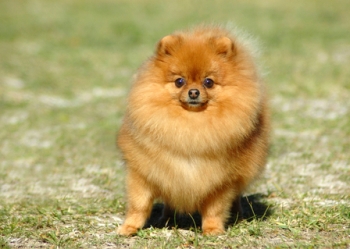
Standing between 5 to 11 inches at the shoulder, the Pomeranian is a study in compact elegance. Their most striking feature is undoubtedly the profuse double coat. The undercoat is soft, dense, and downy, providing insulation, while the outer coat is long, straight, and harsh in texture. This combination creates the iconic mane of hair around the neck and chest. Pomeranians come in a dizzying array of colors—the widest variety in the canine world. While orange, black, and cream are the most common, you can find Poms in white, brown, red, blue, sable, and even brindle or spotted patterns. Their plumed tail, which rests flat against their back, is another hallmark of the breed, completing their look of a tiny, animated fox.
Personality and Temperament: The “Big Dog” Attitude
Don’t let the size fool you; the Pomeranian is bold, extroverted, and highly intelligent. They often seem unaware of their small size, occasionally attempting to challenge dogs ten times their weight. This “big dog” attitude is endearing but requires careful management. They are incredibly loyal to their owners and can be quite protective, which often leads to excessive barking if not properly managed. Because they are so alert, they make excellent watchdogs, though they may need to be taught a “quiet” command early on. For families considering this breed, it is vital to understand that while they are friendly, their fragile bodies make them unsuitable for very young or boisterous children. However, they excel in households where they can be the center of attention and receive plenty of mental stimulation.
Training and Socialization in the Modern Age
Training a Pomeranian is a rewarding experience because of their high intelligence and desire to please. However, their independent streak can occasionally manifest as stubbornness. Professional trainers recommend starting training as early as 8 weeks to establish boundaries. Positive reinforcement, such as treats and praise, works best. Because they are prone to “Small Dog Syndrome,” where they believe they are the pack leader, consistent rules are necessary. Furthermore, early exposure to different environments is crucial for a well-adjusted pet. If you are bringing a new puppy home, checking out expert tips and modern strategies for puppy socialization can ensure your Pom grows up to be confident rather than anxious or aggressive.
Health and Longevity: A 2024 Perspective
Pomeranians are generally a healthy and long-lived breed, with an average lifespan of 12 to 16 years. However, like all purebreds, they are predisposed to certain genetic conditions. According to 2023-2024 veterinary data, the most common health issues seen in Pomeranians include Luxating Patella (kneecap dislocation), Tracheal Collapse, and Alopecia X (also known as Black Skin Disease). Dental health is another significant concern; due to their small mouths, teeth can become crowded, leading to rapid plaque buildup. Owners should prioritize routine pet dental care and professional cleanings to prevent systemic infections and tooth loss. Being aware of critical warning signs your pet needs an urgent vet visit is also essential for managing potential respiratory or cardiac issues that can occur in senior Poms.
Grooming and Maintenance
While their coat looks high-maintenance, it is surprisingly manageable with a consistent routine. Daily brushing is ideal to prevent mats and tangles, but a thorough brushing twice a week is usually sufficient for most pets. During shedding season, which occurs twice a year, more frequent grooming is required to manage the heavy loss of the undercoat. It is important to note that you should never shave a Pomeranian unless medically necessary. Their double coat protects them from both heat and cold, and shaving can permanently damage the texture of the hair or lead to sun damage on their sensitive skin. Regular nail trims and ear cleanings should also be part of their monthly beauty regimen.
Expert Verdict: Is the Pomeranian Right for You?
The Pomeranian is an ideal choice for apartment dwellers, active seniors, or families with older children. They are low to moderate energy dogs that are happy with a brisk daily walk and plenty of indoor play. However, they are not “set and forget” pets; they crave human interaction and can suffer from separation anxiety if left alone for long periods. If you want a companion that is clever, portable, and full of character, the Pomeranian is hard to beat. Their ability to adapt to various living situations while maintaining a joyful, vibrant spirit makes them one of the most beloved breeds globally.
Frequently Asked Questions (FAQ)
- Do Pomeranians bark a lot? Yes, they are naturally vocal and alert. They will bark at strangers or unusual noises, but this can be managed through consistent training.
- Are they good with other pets? Generally, yes. They can live harmoniously with other dogs and even cats, especially if raised together. However, they should be supervised around much larger dogs due to the risk of accidental injury.
- How much exercise do they need? Minimal to moderate. About 30 minutes of walking per day plus some indoor play is usually enough to keep them healthy.
- Is a Pomeranian hypoallergenic? No. Their thick double coat produces dander and they do shed, which can trigger allergies in sensitive individuals.
- Why do they have “monkey face” stages? This is a normal part of Pomeranian puppyhood (usually between 4-8 months) where they lose their puppy coat and wait for their adult coat to grow in, often looking a bit patchy and lanky.
Conclusion
The Pomeranian remains a timeless favorite for a reason. Combining the ancient spirit of the Arctic Spitz with the refined elegance of a Victorian royal companion, they offer a unique pet-owning experience. By understanding their specific needs—from specialized grooming to diligent dental care—you can ensure your Pomeranian lives a long, happy, and vibrant life. They are truly the small dogs with the biggest hearts, ready to fill any home with laughter and loyalty.


