For many pet parents, the image of a perfect morning involves a leisurely stroll through a sun-dappled park, with their canine companion trotting politely by their side. However, the reality often looks quite different: a frantic tug-of-war, a sore shoulder, and a dog that seems more interested in being a sled dog than a walking partner. According to 2024 pet behavior statistics, nearly 45% of dog owners report that leash pulling is the primary reason they cut walks short or avoid public spaces altogether. Leash training is not merely a matter of convenience; it is a critical safety requirement and a foundational element of canine communication. By transforming the walk from a struggle into a structured dialogue, you enhance the bond with your dog while ensuring their safety in an increasingly busy world.
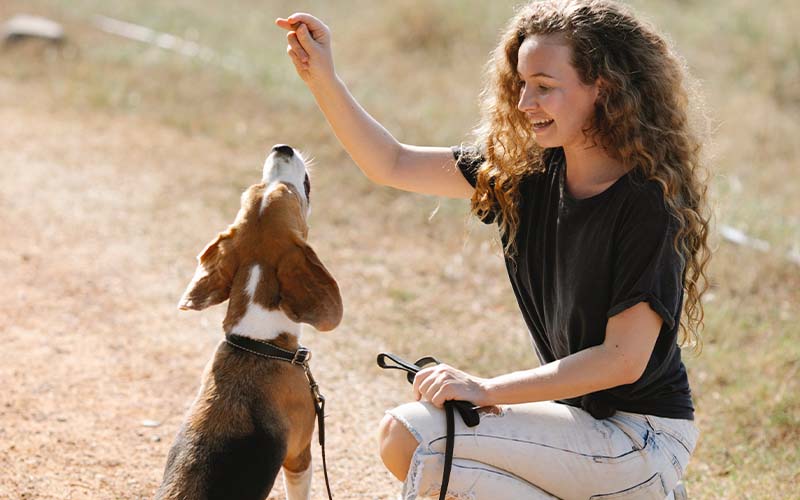
Leash training is the systematic process of teaching your dog to move in tandem with you, maintaining a loose connection between the collar and your hand. Beyond the physical exercise, these walks provide essential mental stimulation and social exposure. In 2024, the emphasis in canine behavioral science has shifted heavily toward the ‘Decompression Walk’—a concept that balances structured movement with the freedom to sniff. However, to reach that level of freedom, a dog must first master the basics of walking on a lead without exhibiting unruly behaviors like lunging, jumping, or constant tension. For those managing a pack, expert dog training for multi-pet homes can provide the additional structure needed to prevent sibling rivalry on the trail, ensuring each dog understands their role during the outing.
The Psychology of the Pull: Why Dogs Struggle
To train effectively, one must understand why dogs pull in the first place. Dogs have a natural walking pace that is significantly faster than the average human gait. Furthermore, they possess an ‘opposition reflex’—an innate physical instinct to pull back when they feel pressure against their neck or chest. When a dog pulls and the owner follows, the dog is accidentally rewarded with more forward movement, reinforcing the behavior. Modern training methodologies focus on breaking this cycle through positive reinforcement and clear environmental cues. By rewarding the behavior we want (a loose leash) and removing the reward for the behavior we don’t (forward progress when pulling), we rewrite the canine internal manual for walking.
Phase 1: Essential Gear and Indoor Foundations
Before stepping foot outside, you need the right tools. A standard 4-to-6-foot fixed leash is recommended over retractable versions, which often teach dogs that tension leads to more freedom. Choosing between a flat collar and a harness is vital; for strong pullers, a front-clip harness is often the most effective tool as it redirects the dog’s momentum toward you. Always have high-value treats—think small pieces of boiled chicken or freeze-dried liver—ready to mark successful moments. Preparation is key when venturing into the city, so learning how to keep your dog safe in crowded areas is a vital skill for any urban pet parent before they even leave the foyer.
Start training in a low-distraction environment, like your living room. Attach the leash and let the dog drag it around to desensitize them to the weight. Once they are comfortable, hold the leash and practice walking a few steps. Reward your dog every time they look at you or stay within the ‘target zone’ near your hip. This phase is about building the association that being close to you equals a high-value reward.
Phase 2: Transitioning to the Great Outdoors
The jump from the living room to the sidewalk is a massive leap in difficulty for a dog. The outside world is a sensory explosion of smells, sounds, and sights. Begin in your driveway or a quiet cul-de-sac. Use the ‘Heel’ command to indicate a specific position by your side, but remember that for most casual walks, a ‘Loose Leash’ (where the leash forms a ‘J’ shape) is the realistic goal. If your dog begins to pull, use the ‘Penalty Yard’ method: stop immediately. Do not move forward until the dog turns back to you and the leash goes slack. This teaches the dog that they are the ‘pilot’ of the walk; if they pull, the ‘engine’ (you) stops.
Advanced Troubleshooting: Reactivity and Fear
Some dogs don’t pull out of excitement, but out of fear or over-stimulation. This is known as leash reactivity. If your dog barks or lunges at other dogs, it is crucial to maintain a ‘threshold distance’—a distance at which the dog notices the trigger but hasn’t reacted yet. Use Counter-Conditioning by feeding treats the moment the trigger appears. Over time, the dog begins to associate the ‘scary’ thing with positive rewards. Understanding the broader perspective of canine wellness, including what dogs think about their care and protection, helps emphasize why insurance and consistent training go hand-in-hand to manage these complex behavioral needs.
Expert Verdict: The 2024 Perspective on Canine Learning
Professional trainers now emphasize that leash training is a lifelong skill rather than a one-time course. Consistent, short sessions (5-10 minutes) are far more effective than one long, frustrating walk. Experts suggest that as of 2024, the inclusion of ‘Sniffaris’—walks where the dog is allowed to lead and explore scents—can actually reduce leash pulling over time by satisfying the dog’s biological needs. The verdict is clear: patience, the right gear, and a focus on positive reinforcement are the only ways to achieve a truly harmonious walk.
Frequently Asked Questions (FAQ)
1. How long does it take to leash train a dog?
While basic concepts can be grasped in a few weeks, true mastery usually takes 2 to 4 months of daily consistency. Factors like age, breed, and previous history (such as rescue status) play a significant role.
2. Are retractable leashes good for training?
Generally, no. Retractable leashes maintain constant tension, which can actually teach a dog that pulling is the standard way to walk. They also offer less control in emergency situations.
3. My dog only pulls when they see a squirrel. What should I do?
This is related to ‘prey drive.’ You must practice a ‘Look at Me’ or ‘Leave It’ command in low-distraction areas first, then gradually increase the difficulty. Reward heavily for choosing to focus on you instead of the distraction.
4. Can I train an older dog to stop pulling?
Absolutely. While puppies are blank slates, older dogs can unlearn bad habits through the same positive reinforcement techniques. It may just require more repetitions to override years of muscle memory.
5. What is the best harness for a dog that pulls?
A front-clip harness is widely considered the best choice. Because the leash attaches at the chest, if the dog pulls, they are physically turned back toward the owner, making pulling counter-productive for the dog.
Conclusion
Leash training is a journey of mutual respect and understanding. By applying consistent techniques and staying patient during the inevitable setbacks, you turn a chore into a highlight of the day. Remember that every walk is a training opportunity. With the right approach, your dog will soon realize that the most rewarding place to be isn’t ten feet ahead, but right there by your side.


1 comment