The Russian Blue cat is often described as the ‘aristocrat’ of the feline world, a title earned through its elegant silhouette, shimmering silver coat, and a legendary history that traces back to the Russian Tsars. Often mistaken for other blue breeds like the Chartreux or the British Shorthair, the Russian Blue is uniquely distinguished by its lithe, athletic frame and a facial structure that gives the permanent impression of a gentle smile. Historically believed to have originated in the Archangel Isles (Arkhangelsk) of Northern Russia, these cats were sailors’ companions before eventually finding their way into the royal chambers of European nobility. Today, they remain one of the most sought-after breeds for families seeking a quiet, intelligent, and fiercely loyal companion. Their signature ‘mona lisa’ smile isn’t just a quirk of anatomy; it reflects a docile and observant personality that has fascinated cat enthusiasts for centuries.
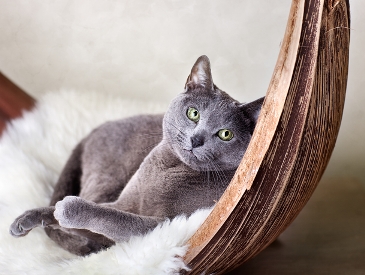
The Anatomy of Elegance: Physical Standards and Conformation
According to breed standards updated for 2024, a healthy Russian Blue typically weighs between 8 and 12 pounds, though males can occasionally lean towards the heavier end of that spectrum without being overweight. Their body type is described as ‘foreign,’ which in the cat fancy world means they are medium-sized but lithe and graceful. They possess long, slender features, including a straight nose with a flat profile and wide-set, somewhat hairless ears with rounded tips. One of the most striking features of the Russian Blue is their feet—small, compact, and round, giving the impression that the cat is walking on its tiptoes.
The Silver Secret: The Unique Double Coat
The crowning glory of the Russian Blue is undoubtedly its coat. This breed possesses a very dense, short, plush double hair coat with a silky texture and a glossy finish. Unlike other breeds, the hairs are tipped with silver, which catches the light and creates a distinct shimmering effect. This density is so profound that if you were to run your fingers through the fur, the patterns would remain visible until smoothed over. Interestingly, while many people believe they are hypoallergenic, the truth is that they simply produce less Fel d 1 protein and shed less than other breeds. This makes them a more viable option for those with mild allergies, though regular maintenance is still required to keep the dander at bay.
Personality Traits: The Intelligent ‘Shadow Cat’
The Russian Blue is famously known as a ‘shadow cat.’ They are fiercely loyal to their primary owners and will often follow them from room to room, observing daily chores with quiet curiosity. While they are docile and affectionate, they are also highly intelligent. It is not uncommon for a Russian Blue to learn how to open doors, cabinets, or even play a consistent game of fetch. However, their intelligence comes with a layer of sensitivity. They thrive on routine and can become visibly stressed by sudden changes in their environment or loud, chaotic households.
When it comes to social interaction, understanding the art of cat communication is essential for this sensitive breed. They may not be as vocal as a Siamese, but they communicate through subtle ear movements and eye contact. While they are shy and aloof with strangers, they form deep, unbreakable bonds with their family members, often choosing one person as their ‘true’ favorite.
Living with a Russian Blue: Exercise and Socialization
Despite their calm demeanor, Russian Blues are athletic and playful. They love to jump and climb, making high-quality cat trees a necessity rather than a luxury. Their powerful hind legs allow them to reach the tops of refrigerators or bookshelves with ease. Because they are so intelligent, they require mental stimulation to prevent boredom. Interactive toys and puzzle feeders are highly recommended to keep their minds sharp.
For those living in multi-pet environments, the Russian Blue is generally a harmonious addition. They get along well with other pets and children, provided the introductions are handled with care. Managing caring for multi-pet households becomes much easier with their docile nature, as they rarely seek out conflict. However, they do require a ‘safe space’ where they can retreat if the household becomes too loud or overwhelming.
Health, Longevity, and Preventative Care
The Russian Blue is generally a robust and healthy breed, with a lifespan typically ranging from 15 to 20 years. However, like all purebred cats, they are prone to certain medical conditions. According to recent data from cat insurance providers like Pets Best, common claims for this breed often include urinary tract issues, such as bladder stones (urolithiasis), and obesity. Because they are highly food-motivated, they can quickly become overweight if their diet is not strictly monitored. Obesity in cats can lead to secondary issues like diabetes and arthritis, making weight management a top priority for owners.
Their shy nature with strangers can sometimes make medical visits difficult. Ensuring stress-free vet visits is crucial for their mental well-being. Modern veterinary practices often use pheromone diffusers and quiet handling techniques to accommodate sensitive breeds like the Russian Blue. Owners should also consider comprehensive pet insurance policies to cover potential accidents or chronic illnesses that may arise as the cat ages.
Grooming and Maintenance
Maintenance for a Russian Blue is surprisingly low compared to other plush-coated breeds. They are low-shedding cats, but they still benefit from a weekly brushing with a soft-bristle brush or a rubber grooming tool. This helps distribute natural skin oils throughout the coat and removes any loose hairs before they end up on your furniture. Their nails should be trimmed every two to three weeks, and their ears should be checked regularly for any signs of wax buildup or infection. Because of their predisposition to dental issues, a routine of teeth brushing or dental treats is highly recommended by feline dental experts.
Expert Review: Is the Russian Blue Right for You?
The Verdict: The Russian Blue is an ideal pet for individuals or families who live in a relatively quiet environment and can appreciate a cat that is both independent and deeply affectionate. They are perfect for apartment living due to their quiet nature, but they do require vertical space to satisfy their climbing instincts. If you are looking for a ‘lap cat’ that is constantly demanding attention, the Russian Blue might be too reserved for you. However, if you want a loyal, intelligent companion that ‘smiles’ at you every time you walk through the door, this breed is an unparalleled choice. Expert breeders often suggest that the Russian Blue is not just a pet, but a lifestyle choice—one that rewards patience with a lifetime of quiet devotion.
Frequently Asked Questions (FAQ)
- Are Russian Blue cats truly hypoallergenic? While no cat is 100% hypoallergenic, Russian Blues produce less Fel d 1 (the primary allergen found in cat saliva and dander) and shed less than most breeds, making them better for people with mild allergies.
- How long do Russian Blue cats live? With proper nutrition and regular veterinary care, they typically live between 15 and 20 years.
- Do Russian Blue cats have green eyes? Yes, all purebred Russian Blues have vivid green eyes. However, kittens are born with yellow or blue eyes that gradually transition to green as they mature.
- Are they good with dogs? Generally, yes. Their docile and non-aggressive nature allows them to coexist peacefully with cat-friendly dogs.
- How much exercise do they need? They are moderately active. At least two 15-minute play sessions per day with interactive toys are usually sufficient to keep them healthy and happy.
Conclusion
The Russian Blue remains a gemstone of the feline world, combining stunning physical beauty with a temperament that is both gentle and wise. By understanding their unique needs—from their specific coat care to their sensitivity toward environment changes—you can ensure a long and happy life for these silver-blue aristocrats. Whether they are perched atop a high shelf or curled up beside you on the sofa, the presence of a Russian Blue brings a sense of serene elegance to any home.


