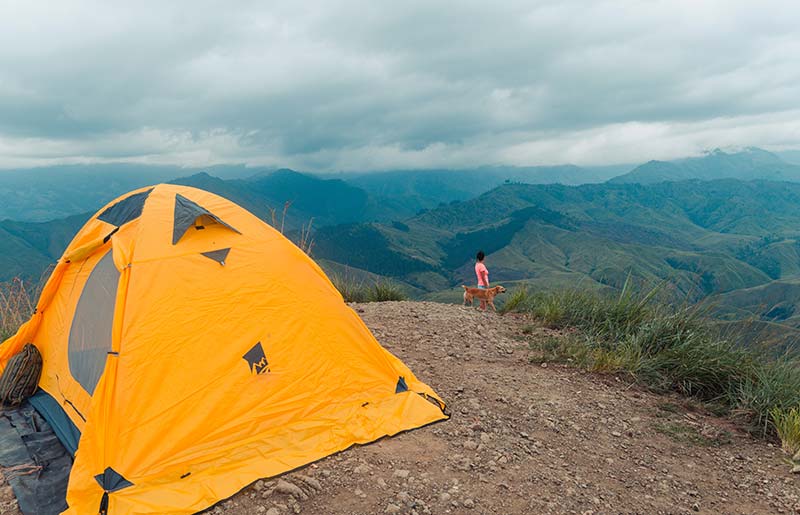
As the air turns crisp and the trails begin to call, there is no better way to experience the majesty of the wilderness than with your loyal canine companion by your side. In 2024, outdoor recreation has seen a significant surge, with recent data from the Outdoor Industry Association indicating that over 50% of campers now choose to bring their pets along for the journey. While the great wide open is a dog’s natural playground, transitioning from a suburban backyard to a rugged campsite requires meticulous planning and a deep understanding of animal safety. From navigating tick-heavy undergrowth to managing caloric intake after a strenuous hike, being a responsible ‘pet parent’ in the wild is about more than just a leash and a bowl. This guide provides a comprehensive deep dive into the health and safety essentials every adventurer needs to know before pitching their tent.
1. Prioritizing Pre-Trip Preventative Health
Before you even begin packing the car, your first stop should be a consultation with your veterinarian. In the wilderness, your dog is exposed to a variety of biological threats that aren’t as prevalent in urban environments. Flea and tick prevention is non-negotiable. While these parasites are common in backyards, they are exponentially more pervasive in tall grasses and wooded areas where deer and other wildlife roam. Ticks can carry Lyme disease, Anaplasmosis, and Rocky Mountain Spotted Fever, making a high-quality, vet-approved preventative essential. It is also wise to ensure your dog is up to date on their yearly pet care routine, including vaccinations for Leptospirosis—a bacteria often found in soil and water contaminated by wildlife urine.
Furthermore, consider your pet insurance coverage. Many modern plans, such as those offered by Pets Best, provide options for routine care reimbursement, which can significantly offset the costs of preventative treatments. Having a valid insurance policy ensures that if an emergency occurs miles from home, financial constraints won’t hinder your dog’s access to life-saving care.
2. The Essential Doggie Camping Gear Checklist
Organization is the key to a stress-free trip. Expert campers recommend dedicating a specific, heavy-duty canvas bag to your dog’s gear. This prevents cross-contamination with human food and ensures that vital safety items are always within reach. Your checklist should be exhaustive and tailored to the specific environment you are visiting. If you are looking for inspiration on where to go, you can find many dog-friendly places to explore in the USA that offer diverse terrains ranging from sandy beaches to rocky peaks.
- High-Visibility Gear: An LED collar or clip-on light is crucial for keeping track of your dog after the sun sets.
- First Aid Kit: Include styptic powder for torn nails, self-clinging bandages, antiseptic wipes, and tweezers for tick removal.
- Collapsible Bowls: Lightweight and space-saving, these are essential for both the campsite and the trail.
- Paw Protection: Whether it’s hot sand or jagged rocks, taking care of your dog’s paws with wax or booties can prevent painful injuries.
- Identification: Ensure tags are current and include a temporary tag with your campsite number or a secondary contact number.
3. Managing Nutrition and Hydration Needs
Outdoor activities such as hiking, swimming, and even just navigating uneven terrain burn significantly more calories than a standard walk around the block. Experts suggest increasing your dog’s food portions by 10-25% during active camping trips to maintain their energy levels. Pro tip: Always bring at least two extra days’ worth of food. Accidents happen—containers spill, or local wildlife might find their way into your stash. Storing food in airtight, bear-proof containers is a must for safety.
Hydration is equally critical. Never allow your dog to drink from stagnant ponds or unknown streams, which may harbor Giardia or harmful blue-green algae. Always carry enough filtered water for both you and your pet. If your dog seems uninterested in food upon arrival, don’t panic immediately; the stress of travel can temporarily suppress appetite. However, if they refuse water or remain lethargic, consult a vet as soon as possible.
4. Campsite Safety and Control
Even the most well-behaved dog can be tempted by a squirrel or startled by a strange noise in the middle of the night. To ensure their safety, set up a metal corkscrew tie-out stake immediately upon arrival. Using a 15 to 20-foot lead allows your dog the freedom to explore the immediate campsite while remaining securely within your sight. It is vital to check the stake frequently, especially in sandy or wet soil, as constant tugging can loosen it over time.
Training also plays a massive role in campsite safety. If your dog is still mastering basic commands, bring a variety of tools. A long lead is perfect for practicing recall in a controlled environment, while a sturdy harness is preferred for hiking to provide better control without putting pressure on the neck. Proper canine etiquette involves keeping your dog quiet and within your designated area to respect fellow campers and local wildlife.
5. Temperature Regulation and Sleeping Arrangements
While humans have the luxury of sleeping bags and heaters, dogs rely on their instinct and limited gear to stay warm. Dogs naturally lose heat through their noses and paw pads; you may notice them sleeping in a tight ‘nose-to-tail’ ball to conserve core heat. Provide a dedicated elevated bed or a moisture-resistant sleeping mat to insulate them from the cold ground. For smaller breeds or those with thin coats, a doggie sweater or fleece jacket is a necessity during chilly nights. Conversely, in peak summer, cooling mats and portable fans are essential to prevent heatstroke, which can escalate into a life-threatening emergency in minutes.
Expert Review & Verdict
According to veterinary experts and professional wilderness guides, the success of a camping trip with a pet is 90% preparation and 10% execution. The shift toward ‘adventure dogging’ has led to better gear and more accessible information, but the fundamental risks of the wild remain. The verdict: Camping with your dog is an incredibly rewarding bonding experience, but it requires a proactive stance on health (vaccinations and insurance) and a disciplined approach to campsite management. If you are prepared for the ‘what-ifs,’ the ‘great-times’ will follow naturally.
Frequently Asked Questions (FAQ)
Can I take a puppy camping?
It is generally recommended to wait until a puppy is at least 4 to 6 months old and has completed their full series of vaccinations (including Rabies and Distemper/Parvo) before taking them into the wilderness.
How do I handle a tick bite on the trail?
Use fine-tipped tweezers to grasp the tick as close to the skin as possible and pull upward with steady pressure. Clean the area with antiseptic and monitor for any signs of lethargy or lameness over the following weeks.
Is it safe for my dog to sleep outside the tent?
Most experts recommend having your dog sleep inside the tent with you. This protects them from predators (like coyotes or bears), prevents them from wandering off if they get spooked, and helps you monitor their temperature and comfort levels.
What should I do if my dog gets lost in the woods?
Immediately contact the local park rangers and animal control. Leave a piece of your clothing or their dog bed at the spot where they were last seen; the familiar scent often brings them back to that specific location.
Conclusion
Stepping into nature with your four-legged friend is a journey into the heart of companionship. By following these health and safety protocols—from ensuring proper flea prevention to managing the unique caloric demands of the trail—you are setting the stage for a lifetime of memories. Remember that you are your dog’s guardian in the wild; their safety depends entirely on your preparation. So, pack that canvas bag, double-check your tie-out stake, and embrace the adventure that awaits under the stars!


