If you have ever spent a frantic evening researching the best possible nutrition for your feline companion, you know that the pet food aisle is a maze of marketing claims and complex ingredient lists. As an exotic pet enthusiast and long-time cat owner, I have navigated these waters many times. There is a specific moment of anxiety we all share: the moment our veterinarian looks up from a chart and suggests moving our beloved pet to a “prescription diet.” It sounds serious, almost daunting, and it immediately brings up a flurry of questions. Is it really necessary? Why is it so much more expensive? And what happens if my other cats sneak a few bites?
Understanding feline nutrition is a cornerstone of responsible pet ownership. While many of us strive to provide the most “natural” or “high-protein” diets available, there are specific medical circumstances where standard over-the-counter kibble or canned food simply won’t cut it. Prescription diets, also known as therapeutic diets, are formulated to address specific physiological needs that arise during illness. They are not just premium food; they are effectively a form of medicine delivered through a bowl. In this guide, we will dive deep into the science, the risks, and the practicalities of feeding prescription cat food to ensure your feline friend lives a long, vibrant life.
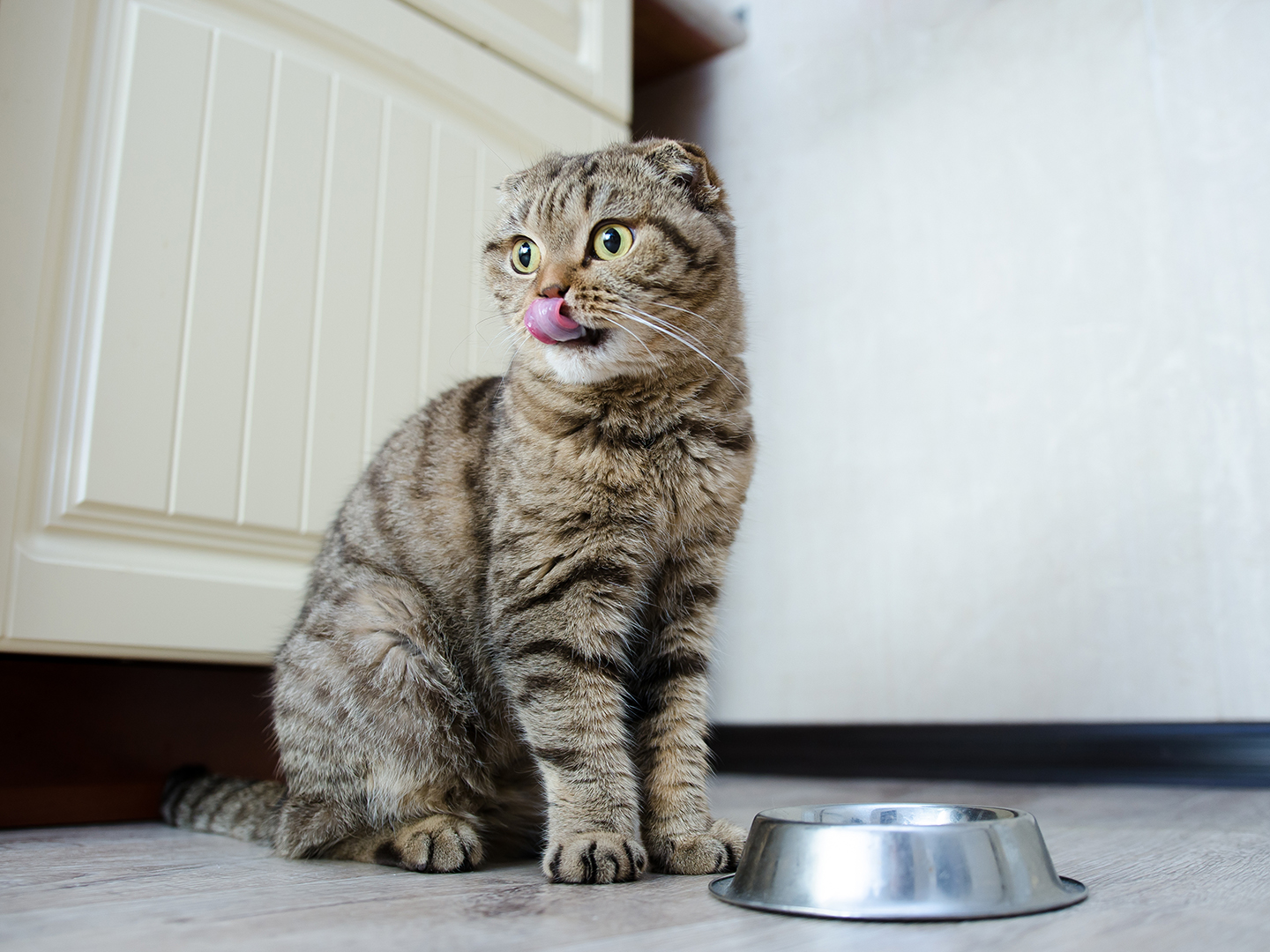
What Exactly Is Prescription Cat Food?
To the naked eye, prescription cat food might look identical to the bags you find at the local grocery store. However, the difference lies in the precise formulation of nutrients. These diets are developed through rigorous clinical research to manage, and sometimes even treat, specific health conditions. Unlike standard pet foods, which must meet general nutritional profiles for “maintenance” or “growth,” prescription diets are allowed to deviate from these norms to achieve a therapeutic goal.
For instance, a diet for a cat with urinary crystals might be formulated to maintain a very specific pH level in the urine, while a diet for a cat with heart disease might have strictly controlled sodium levels. Because these formulations are so targeted, they fall under a unique regulatory category. They are intended for use only under the direct supervision of a licensed veterinarian. This is why you cannot simply grab a bag off the shelf at a big-box retailer without a signed authorization or a prescription card.
The Risks of “Self-Prescribing” or Cross-Feeding
One of the most common misconceptions I encounter is the idea that feeding a healthy cat prescription food will act as a “preventative.” It seems logical on the surface: if this food is good for a cat with kidney issues, wouldn’t it be even better for a cat with healthy kidneys to prevent problems later? The answer, quite simply, is a resounding no. In fact, feeding these diets to healthy animals can lead to significant health complications.
Take, for example, Chronic Kidney Disease (CKD) diets. These are among the most common prescriptions handed out in veterinary clinics. Cats with CKD struggle to process protein waste products, which puts immense strain on their kidneys. Consequently, CKD diets contain significantly less protein than standard cat food—sometimes less than half. If you feed this to a healthy, active cat, they will lack the essential amino acids required to maintain their physical structure. Over time, a healthy cat on a CKD diet will begin to lose muscle mass as their body literally consumes its own muscle tissue to make up for the dietary deficit. Furthermore, because these diets often compensate for lower protein with higher fats and carbohydrates to keep the calorie count up, your healthy cat may also begin to pack on unnecessary weight.
If you find yourself struggling with a feline who is a bit too fond of their treats, you might find strategies for helping an overweight cat lose weight to be a helpful resource alongside any veterinary-prescribed metabolic diets.
Managing Multi-Cat Households: The Feeding Logistics
In a home with multiple cats, the “prescription food puzzle” is a daily challenge. We all know the scenario: you put down the specialized, expensive food for the cat who needs it, only for the healthy “glutton” of the family to push them aside and dive in. Meanwhile, the sick cat wanders over to the healthy cat’s bowl and starts eating the very protein-rich food their kidneys can’t handle.
Dr. Debra Zoran, a professor at the Texas A&M College of Veterinary Medicine & Biomedical Sciences, emphasizes that while an occasional “stolen bite” isn’t a medical emergency, long-term cross-feeding is problematic. To manage this, many owners turn to microchip-activated feeders. These devices only open for a specific cat, ensuring that the prescription diet stays where it belongs. Alternatively, scheduled feedings in separate rooms can provide a low-tech solution to ensure everyone gets exactly what the doctor ordered.
Common Conditions Treated via Therapeutic Diets
Why might your vet recommend a specialized diet? The range of conditions is vast, but they generally fall into a few primary categories:
- Urinary Health: Designed to dissolve or prevent the formation of struvite or calcium oxalate crystals by managing mineral intake and urine pH.
- Gastrointestinal Issues: These diets use highly digestible proteins and specific fiber blends to soothe sensitive stomachs and manage conditions like IBD. If your cat is dealing with severe digestive distress, you might be looking into navigating inflammatory bowel disease in cats to better understand why your vet chose a specific GI formula.
- Diabetes Management: These are typically ultra-low carbohydrate and high-protein (the opposite of CKD diets) to help stabilize blood glucose levels.
- Skin and Food Allergies: These utilize “hydrolyzed” proteins—proteins broken down so small that the immune system doesn’t recognize them as allergens—or novel proteins like venison or rabbit.
- Dental Care: These kibbles are often larger and have a specific texture designed to scrub the teeth as the cat bites down. Given that proper pet dental care is vital for overall longevity, these diets can be a great tool for cats prone to plaque buildup.
Are Some Prescription Diets Safe for Everyone?
Interestingly, not all prescription foods carry the same risks for healthy housemates. According to experts like Dr. Zoran, diets formulated for allergies or mild intestinal issues are often “complete and balanced” for maintenance. This means that if your healthy cat eats the venison-based allergy food meant for their sibling, the primary “harm” is usually to your wallet rather than the cat’s health. These specialty ingredients are more expensive to source, making the food unnecessary for a cat that doesn’t require it, but physiologically, it won’t cause the muscle wasting seen with CKD diets.
However, you should always verify this with your veterinarian. A “safe” cross-over depends entirely on the specific brand and the nutritional profile of that formula. Never assume a prescription diet is safe for the whole brood without professional confirmation.
People Also Ask: Common Questions About Feline Prescription Diets
How long does my cat need to stay on prescription food?
This depends entirely on the condition. For temporary issues, like recovering from a urinary tract infection or a bout of pancreatitis, the diet might only be for a few months. However, for chronic conditions like kidney disease or diabetes, the prescription food is typically a lifelong commitment to manage the disease and maintain quality of life.
Can I mix prescription food with regular food?
Generally, mixing prescription food with over-the-counter food defeats the purpose. Therapeutic diets rely on precise nutrient ratios. If you add regular food to a CKD diet, you are increasing the protein and phosphorus levels back into the danger zone. Always check with your vet before “diluting” a prescription diet with other foods.
Why is prescription food so expensive?
The cost reflects the research and development, clinical trials, and the quality control required to ensure every batch meets exact medicinal specifications. Manufacturers often have dedicated production lines to prevent cross-contamination of ingredients, which adds to the overhead.
Final Thoughts: The Power of Targeted Nutrition
Changing your cat’s diet can feel like a chore, especially if you have a picky eater on your hands. However, the impact of the right food cannot be overstated. In many cases, transitioning to a prescription diet is the single most effective thing you can do to manage a chronic illness. It can reduce the need for daily medications, prevent painful urinary blockages, and significantly extend the time you have with your furry companion.
As an exotic pet enthusiast, I’ve learned that the key to any successful pet care regimen is observation and partnership with your vet. If you notice changes in your cat’s appetite, weight, or energy levels after starting a new food, speak up. Your veterinarian is there to fine-tune the plan until it works for both your cat’s biology and your household’s routine.
Actionable Conclusion for Pet Parents
If your vet has recommended a prescription diet, take it as a positive step toward proactive health management. To make the transition easier, remember to introduce the new food gradually over 7 to 10 days to avoid digestive upset. Keep a food diary to track any changes in behavior or bathroom habits. Finally, don’t hesitate to ask for a prescription card so you can shop around for the best prices at local clinics or authorized online retailers. Your dedication to their specific nutritional needs is a beautiful expression of the bond you share, and your cat will surely thank you for it in their own quiet, purring way.


