Inflammatory Bowel Disease (IBD) in cats is a complex and often progressive condition that can be deeply distressing for both the pet and the owner. Characterized by chronic irritation and inflammation of the gastrointestinal tract, IBD is not a single disease but rather a group of chronic gastrointestinal disorders. While the diagnosis can feel overwhelming, the landscape of veterinary medicine in 2024 has evolved significantly, offering more precise management strategies than ever before. The key to a positive prognosis lies in early intervention and a commitment to a long-term, individualized care plan. By understanding the underlying mechanisms of this condition, owners can transform a scary diagnosis into a manageable part of their cat’s life, ensuring their feline companions remain happy and comfortable for years to come.
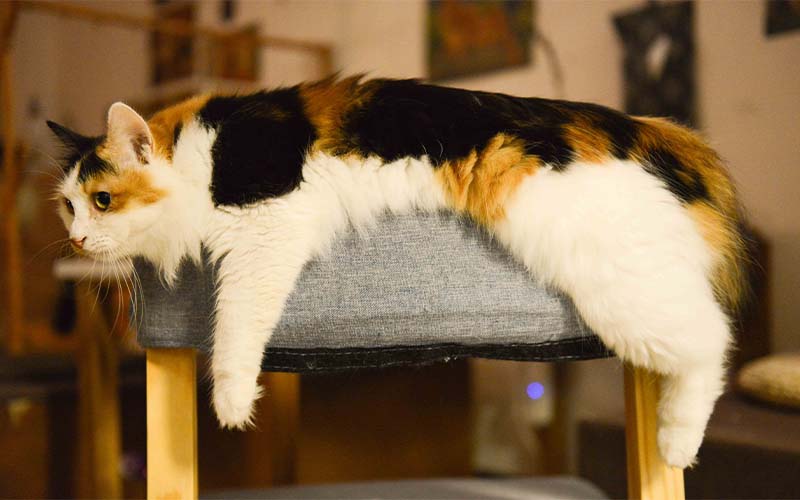
At its core, feline IBD occurs when a cat’s immune system overreacts to certain triggers—be they dietary proteins, environmental allergens, or imbalances in gut bacteria. This immune response causes an influx of inflammatory cells into the lining of the stomach, small intestine, or colon. As these walls thicken, the body’s ability to digest food and absorb vital nutrients becomes severely compromised. Recent 2024 veterinary trends highlight an increasing focus on the gut microbiome, with research suggesting that the diversity of bacteria in a cat’s digestive system plays a much larger role in IBD than previously understood. This shift in perspective has led to more nuanced treatments, moving beyond simple symptom suppression to holistic gut health management.
The Warning Signs: Recognizing Feline IBD Symptoms
Identifying IBD can be tricky because the symptoms often mimic other common ailments. Many owners mistakenly attribute chronic vomiting to “frequent hairballs,” but regular gastrointestinal upset is never normal for a cat. Symptoms vary depending on which part of the GI tract is most affected. If the stomach or upper small intestine is inflamed, chronic vomiting and nausea are primary indicators. Conversely, if the inflammation resides in the colon, owners may notice chronic diarrhea or the presence of blood and mucus in the stool. Many cats also experience a gradual loss of appetite and subsequent weight loss, even if they appear to be eating normally at first.
It is also crucial to rule out other causes that could present similarly. For instance, parasitic infections can cause identical distress, which is why veterinarians often recommend starting with comprehensive worming and parasite prevention to clear the baseline before moving toward more invasive testing. As the disease progresses, some cats develop Protein-Losing Enteropathy (PLE), a severe state where the gut leaks essential proteins into the stool, leading to fluid buildup in the abdomen or chest. Catching the disease before it reaches this stage is the ultimate goal of early screening.
The Diagnostic Dilemma: IBD vs. Small Cell Lymphoma
One of the most challenging aspects of managing feline GI health is distinguishing between IBD and small cell lymphoma. These two conditions exist on a similar spectrum and present nearly identical clinical symptoms. Small cell lymphoma is a slow-moving form of cancer that, while serious, has a much better prognosis than the more aggressive large cell lymphoma. In fact, many veterinary oncologists now view these conditions as part of a continuous disease process where chronic inflammation (IBD) may eventually transition into a cancerous state.
The only definitive way to tell them apart is through a full-thickness intestinal biopsy. This procedure requires general anesthesia and involves taking surgical samples of the intestinal wall. Because of the cost and invasive nature of surgery, many owners and veterinarians opt for “presumptive treatment,” treating the cat for IBD while monitoring for progress. However, if a cat does not respond to standard IBD protocols, a biopsy becomes essential to ensure the animal isn’t suffering from an underlying malignancy that requires specific chemotherapy agents like chlorambucil.
Treatment Strategies and Dietary Management
Management of IBD is rarely a “one size fits all” approach. It typically involves a three-pronged strategy: dietary modification, medical intervention, and environmental support. Diet is often the first line of defense. Veterinarians frequently recommend a hydrolyzed protein diet, where proteins are broken down into such small molecules that the immune system doesn’t recognize them as a threat. Alternatively, a “novel protein” diet (using proteins the cat has never eaten, such as rabbit or venison) can be highly effective. While focused on cats, the principles of improving pet digestive health through high-quality, targeted nutrition are universal across species.
In cases where diet alone isn’t enough, immunosuppressive medications like prednisolone (a steroid) are used to dampen the overactive immune response. While effective, long-term steroid use requires careful monitoring for side effects like diabetes or increased susceptibility to infection. Furthermore, because chronic vomiting can affect grooming and nutrient absorption, owners should pay attention to secondary signs of health, such as reducing hairball frequency and maintaining coat luster, which often serve as indicators of internal recovery.
Case Study: The Success Story of “Luna”
Consider the case of Luna, a 9-year-old Siamese who presented with chronic weight loss and intermittent vomiting. Her owner initially thought Luna was just a “picky eater” or dealing with hairballs. After a thorough workup, including blood tests and an ultrasound showing thickened intestinal loops, Luna was started on a hypoallergenic diet and a low dose of prednisolone. Within six months, Luna regained two pounds, her coat became shiny again, and her vomiting ceased entirely. Luna’s case illustrates that while IBD is a lifelong commitment, it is not a death sentence. With consistent monitoring and a dedicated owner, cats with IBD can enjoy an excellent quality of life.
Expert Verdict: The 2024 Outlook
Leading veterinarians in 2024 emphasize that the prognosis for feline IBD is generally excellent if the owner adheres strictly to the prescribed regimen. The most common cause of treatment failure is “dietary indiscretion”—when a cat accidentally consumes a trigger food. Experts suggest that as we move forward, personalized medicine based on fecal microbiome testing will become the standard, allowing for even more targeted probiotic and prebiotic therapies.
Frequently Asked Questions (FAQ)
Can IBD in cats be cured?
No, there is currently no permanent cure for IBD. It is considered a chronic, manageable condition. However, many cats can enter long-term remission where they show no symptoms for years.
How long can a cat live with IBD?
With proper treatment, most cats with IBD have a normal life expectancy. The key is preventing the disease from progressing to severe stages like protein-losing enteropathy or large cell lymphoma.
What is the best food for a cat with IBD?
Most veterinarians recommend either a prescription hydrolyzed protein diet or a novel protein diet. It is important to avoid over-the-counter “grain-free” diets unless they are specifically formulated for GI sensitivities and recommended by your vet.
Is IBD painful for cats?
While cats are experts at hiding pain, chronic inflammation causes significant discomfort, cramping, and nausea. Managing the inflammation directly improves the cat’s comfort and energy levels.
Can stress trigger an IBD flare-up?
Yes, stress is a known factor that can exacerbate gastrointestinal issues in cats. Maintaining a stable environment and using pheromone diffusers can help keep a sensitive cat’s GI tract calm.
Conclusion
Feline Inflammatory Bowel Disease is a journey, not a destination. It requires patience, observational skills, and a strong partnership with your veterinarian. By recognizing the early signs—whether it’s weight loss, chronic vomiting, or changes in appetite—you can intervene before the condition causes permanent damage. As we continue to learn more about the feline gut and immune system, the tools available to owners are only getting better. With the right diet and care, your cat can continue to be the vibrant, loving companion they’ve always been, proving that an IBD diagnosis is simply the beginning of a new, well-managed chapter in their lives.


