If you have ever been at a routine veterinary check-up and heard those dreaded words—"I think I hear a slight heart murmur"—your heart likely skipped a beat itself. As a long-time pet owner and exotic animal enthusiast, I know exactly how that sinking feeling feels. You start wondering if your pup is in pain, if their life expectancy has suddenly shortened, or what you could have done differently. However, after years of navigating the ups and downs of pet health, I have learned that a heart murmur is not a diagnosis in itself; it is a clinical finding that tells us a story about what is happening inside that furry chest. Understanding this "whoosh" sound is the first step toward ensuring your companion lives a long, comfortable life.
In the world of veterinary medicine, a heart murmur is often the first clue to an underlying story. It is essentially a sound produced by turbulent blood flow. Normally, blood flows through the heart like a smooth, quiet stream. When that flow becomes choppy, like water rushing over rocks, it creates a sound that veterinarians can pick up through a stethoscope. While it sounds scary, knowledge is your best tool for management. In this guide, we will dive deep into why these murmurs happen, what the different grades mean, and how we can best support our dogs after a diagnosis.
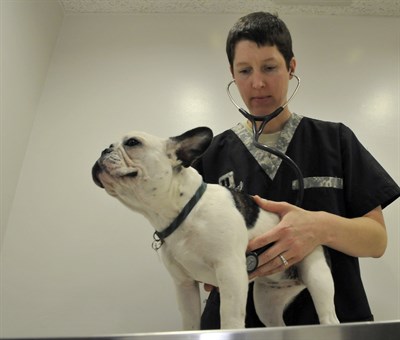
What Exactly Is a Heart Murmur in Dogs?
To understand a heart murmur, we have to look at the mechanics of the canine heart. The heart is a pump with four chambers and four valves. These valves act like one-way doors, opening and closing in perfect rhythm to keep blood moving forward. When a valve doesn’t close tightly (a "leaky" valve) or doesn’t open wide enough (a "narrowed" valve), the blood flow becomes turbulent. This turbulence creates the audible vibration we call a murmur.
As Sonya Wesselowski, a clinical assistant professor of cardiology at the Texas A&M College of Veterinary Medicine & Biomedical Sciences, explains, heart murmurs are abnormal sounds caused by this rapid or turbulent flow. It is important to remember that the murmur itself is a symptom or a sign of an underlying issue, rather than the disease itself. Much like a cough can indicate anything from a dry throat to pneumonia, a heart murmur can range from an "innocent" finding in a growing puppy to a sign of significant heart disease in a senior dog.
The Grading System: What Do the Numbers Mean?
When a vet detects a murmur, they will usually assign it a grade from I to VI. This grading system is based purely on how loud the murmur is, not necessarily how severe the heart disease is. However, the grade provides a vital baseline for monitoring changes over time.
- Grade I: Barely audible; the vet has to listen very carefully in a quiet room to hear it.
- Grade II: Soft, but easily heard with a stethoscope.
- Grade III: Intermediate loudness; usually the grade where most owners start to get concerned.
- Grade IV: A loud murmur that can be heard on both sides of the chest.
- Grade V: Very loud and can actually be felt as a vibration (a "thrill") through the chest wall.
- Grade VI: So loud it can be heard even when the stethoscope is held slightly off the chest wall.
It is worth noting that while a louder murmur often correlates with more advanced disease, this isn’t always the case. Some very serious conditions produce quiet murmurs, which is why preventive pet care and regular examinations are so vital for early detection.
Causes of Heart Murmurs: From Puppies to Seniors
The cause of a heart murmur often depends on the dog’s age and breed. Broadly speaking, we categorize them into congenital (present at birth) or acquired (developed later in life).
Congenital Heart Defects
In puppies, some murmurs are considered "innocent" or "physiological." These are typically soft (Grade I or II) and often disappear by the time the puppy is six months old. However, if a murmur persists or is loud, it might indicate a congenital defect such as Pulmonic Stenosis or Patent Ductus Arteriosus (PDA). Because early intervention is often key for these young pups, I always recommend looking into 5 things to know about pet insurance for puppies early on, as many policies have waiting periods for pre-existing conditions.
Acquired Heart Disease
In older dogs, the most common cause is Chronic Valvular Disease (CVD), also known as Mitral Valve Disease. This is particularly common in smaller breeds like Cavalier King Charles Spaniels, Poodles, and Chihuahuas. Over time, the valve leaflets thicken and fail to seal properly, allowing blood to leak backward. In larger breeds, we often see Dilated Cardiomyopathy (DCM), where the heart muscle becomes thin and weak, stretching out like an old rubber band. Both of these conditions will manifest as a heart murmur during a physical exam.
Recognizing the Subtle Signs of Heart Issues
One of the most challenging aspects of canine heart disease is that many dogs show no outward symptoms in the early stages. The heart is incredibly good at compensating—until it isn’t. This "silent" nature makes the veterinary stethoscope our best friend. However, as the underlying condition progresses, you might notice:
- Exercise Intolerance: Your dog tires easily during walks or playtime.
- Coughing: Especially at night or when resting, which can indicate fluid backup or an enlarged heart pressing on the airway.
- Increased Respiratory Rate: Breathing faster or harder than usual while sleeping.
- Fainting or Collapse: Known as syncope, this occurs when the brain doesn’t get enough oxygenated blood.
- Abdominal Swelling: A sign of fluid buildup (ascites) in advanced cases.
The Diagnostic Journey: Beyond the Stethoscope
If your vet hears a murmur, the next step is determining what is causing it. A stethoscope can tell a vet where the sound is and how loud it is, but it cannot see inside the heart. This is where advanced diagnostics come into play.
As Professor Wesselowski suggests, the gold standard is the echocardiogram (a cardiac ultrasound). This allows a cardiologist to see the heart chambers in real-time, measure the thickness of the walls, and see exactly how much blood is leaking through a valve. While an X-ray is often used as an initial screening tool to check for heart enlargement or fluid in the lungs, the "echo" is the definitive diagnostic tool. I understand that these specialized tests can be a financial shock, which is why understanding your veterinary bills and being prepared for diagnostic costs is a crucial part of responsible pet ownership.
Living with a Heart Murmur: Management and Quality of Life
Receiving a diagnosis of heart disease doesn’t have to be a death sentence. Many dogs live for years with a heart murmur with the right management plan. Treatment is highly individualized and may include:
Medication
Drugs like Pimobendan can help the heart pump more efficiently, while ACE inhibitors help relax blood vessels to lower the workload on the heart. If fluid has started to accumulate, diuretics are used to help the body flush out the excess liquid.
Dietary Adjustments
Diet plays a massive role in cardiac health. Low-sodium diets are often recommended to prevent fluid retention. Additionally, ensuring your dog has adequate levels of Taurine and L-carnitine—amino acids vital for heart muscle function—is essential. Always consult your vet before switching to a "grain-free" diet, as certain formulations have been linked to heart issues in recent years.
Monitoring at Home
The most important thing you can do at home is monitor your dog’s Resting Respiratory Rate (RRR). While your dog is deeply asleep, count how many breaths they take in one minute. A normal RRR is typically under 30 breaths per minute. If you notice a consistent increase, it is time to call the vet, as this is often the earliest warning sign of congestive heart failure.
People Also Ask
Can a dog live a long life with a heart murmur?
Absolutely. Many dogs with low-grade murmurs never progress to heart failure and live completely normal lifespans. Even those with more significant disease can thrive for years if the condition is caught early and managed with proper medication and lifestyle changes.
Is a heart murmur painful for a dog?
The murmur itself is just a sound and does not cause pain. However, if the underlying heart disease progresses to heart failure, the resulting symptoms like difficulty breathing or fluid buildup can cause significant discomfort and distress.
Should I stop exercising my dog if they have a murmur?
In most cases, moderate exercise is still encouraged to maintain overall health and muscle tone. However, you should avoid high-intensity activities or "burst" exercises. The rule of thumb is to let your dog set the pace—if they want to stop or slow down, let them.
The Expert Verdict: A Proactive Approach
In my experience, the biggest mistake pet owners make is waiting for symptoms to appear before seeking a specialist. If your veterinarian detects a murmur, even a soft one, getting a baseline echocardiogram is the kindest thing you can do for your dog. It gives you a roadmap for the future and, in many cases, provides the peace of mind that comes from knowing exactly what you are dealing with.
Ultimately, a heart murmur is a call to action. It is a reminder to cherish the walks, be mindful of the diet, and stay vigilant with veterinary check-ups. With modern medicine and a dedicated owner, a dog with a heart murmur can still lead a life full of wagging tails and happy memories. Take it one step at a time, work closely with your vet, and focus on the quality of life your best friend deserves.


