There is something undeniably magical about the sound of a bray echoing across a crisp morning pasture. If you have ever spent time around miniature donkeys, you know they are far more than just “small versions” of their larger cousins; they are sentient, soulful, and incredibly intelligent creatures that weave themselves into the very fabric of a family. As an exotic pet enthusiast who has spent years navigating the nuances of unique animal care, I can tell you that bringing a miniature donkey into your life is a decision that brings immense joy—but it is also one that requires a deep, decades-long commitment. These are not just ornaments for your acreage; they are affectionate companions that crave human interaction and structured care.
If you find yourself with a couple of acres of grass and a heart ready for a long-eared friend, you are in the right place. However, before you go out and find a foal, it is crucial to understand the reality of their needs. From their specialized digestive systems to their social requirements, owning a miniature donkey is a journey in livestock management as much as it is in pet ownership. Let’s dive deep into what it truly takes to provide a thriving, happy home for these Mediterranean marvels.
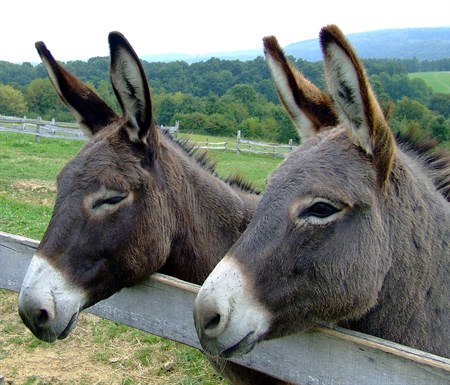
The Long-Term Commitment: A Three-Decade Journey
One of the most critical factors prospective owners overlook is the lifespan of a miniature donkey. On average, these animals live between 25 and 30 years, with some reaching into their mid-30s with exceptional care. This is not a short-term hobby; it is a life stage. When you bring a donkey home, you are potentially committing to a pet that will be with you longer than most dogs or even some relationships. As John N. Stallone, a professor at the Texas A&M College of Veterinary Medicine & Biomedical Sciences, points out, owners must be prepared to dedicate at least one hour every single day to their care.
This hour isn’t just for throwing hay over a fence. It includes feeding twice daily, grooming their thick coats, and picking out their hooves to prevent thrush or abscesses. Beyond the physical chores, donkeys are profoundly social. If you aren’t spending time simply “being” with them—walking them, scratching their favorite spot behind the ears, or engaging in light training—they can become lonely and despondent. Because of their long lives, it is also essential to have a financial plan in place. Understanding the price of pet care and your veterinary bills is a foundational step for any responsible owner, ensuring you aren’t caught off guard by the costs of senior equine care down the road.
Habitat and Housing: More Than Just a Field
While miniature donkeys are hardy, they cannot simply be turned out into a field and forgotten. A proper habitat requires at least one to two acres of quality grazing land. This space isn’t just for food; it’s for movement. Donkeys need to walk and forage to maintain good intestinal motility, which is the primary defense against deadly conditions like colic or chronic constipation.
In terms of shelter, donkeys have a different coat structure than horses. Their hair is not as oily or water-repellent, meaning they can get chilled to the bone in rain or snow. A three-sided shelter is the industry standard, ideally with the opening facing south to block prevailing northern winds. The floor should be kept dry and well-bedded with straw or wood shavings. Speaking of safety, when you are designing your farm layout, you should always be thinking about fire safety and emergency exits. Setting your home up for success with fire awareness is just as important for your barn and paddock as it is for your primary residence.
Preventing Destructive Behaviors
Without enough space or mental stimulation, donkeys can develop “cribbing” or wood-chewing habits. This isn’t just annoying for your fences; it can lead to dental wear and digestive issues. Ensuring they have at least four hours of active grazing or browsing time per day can significantly reduce these destructive behaviors. If your pasture is limited, providing donkey-safe toys or varied forage sources can help keep their active minds busy.
The Donkey Diet: The Danger of Overfeeding
Perhaps the biggest challenge for new owners is the donkey’s metabolism. Donkeys evolved in arid environments with sparse, low-quality vegetation. Their bodies are incredibly efficient at extracting every possible calorie from what they eat. While a lush, green pasture looks beautiful to us, it can be a danger zone for a miniature donkey.
Donkeys should primarily eat high-quality grass hay. You must be extremely cautious with grain, oats, or sweet feeds. Feeding these regularly is a fast track to equine obesity and a painful, often fatal condition called laminitis (or founder), where the structures inside the hoof become inflamed and begin to break down. Even when it comes to treats, moderation is key. A small slice of apple or a carrot is fine, but avoid sugary snacks. If you live in an area where your donkey might be exposed to different flora, always be aware of potential toxins; while most people focus on house pets, the principles of avoiding toxic plants and safety are universal across all species.
Routine Veterinary and Maintenance Needs
To keep your donkey healthy, you need a proactive medical schedule. Donkeys are stoic animals; they don’t show pain as obviously as a dog or a horse might. This means you have to be their advocate through regular checkups. Preventive pet care is the key to a longer, happier life, and for a donkey, this includes:
- Hoof Trimming: Every 3 to 4 months by a qualified farrier. Donkey hooves are more upright than horse hooves and require a specialist’s touch.
- Vaccinations: Annual shots for Rabies, Tetanus, and encephalitis viruses (like West Nile).
- Deworming: Regular fecal tests and deworming every 3 months or as recommended by your vet.
- Dental Care: Donkeys’ teeth grow continuously. They need to be “floated” (filed down) every 2 to 3 years to prevent sharp points from causing mouth sores.
Temperament, Training, and the “Stubborn” Myth
The idea that donkeys are stubborn is a total misunderstanding of their intelligence. When a horse is scared, it bolts. When a donkey is scared or unsure, it stops and evaluates the situation. This self-preservation instinct is often mistaken for defiance. In reality, donkeys are highly trainable and love to learn.
You can train your miniature donkey to lead on a halter, navigate obstacle courses, or even pull a small cart. Training should always be based on positive reinforcement. Using treats to promote friendliness is great, but be mindful of the “nipping” habit. If a donkey begins to nip at fingers, a firm “No!” and pushing their muzzle away with an open hand is usually enough. Never hit or slap a donkey on the face; this creates “head-shyness” and destroys the bond of trust you’ve worked so hard to build.
People Also Ask
Can a miniature donkey live alone?
In short: No. Donkeys are extremely herd-oriented. A solitary donkey is a stressed donkey. They should always have at least one companion, preferably another donkey. While they can bond with horses, goats, or sheep, they speak the “same language” as other donkeys and will be much happier in pairs.
Are miniature donkeys good with children?
Generally, yes! Their calm and curious nature makes them excellent pets for children. However, because they are livestock, interactions should always be supervised. A donkey might accidentally step on a small foot or nudge a child too hard in search of a treat.
How loud are they?
Miniature donkeys do bray, and it can be quite loud! They often bray to greet you, when they are hungry, or if they see something unusual. If you have close neighbors who value absolute silence, a donkey might not be the right choice.
Expert Verdict and Actionable Conclusion
Miniature donkeys are life-changing pets that offer a level of companionship rarely found in the livestock world. They are smart, affectionate, and relatively low-maintenance if you have the right setup. However, they are a 30-year commitment that requires specific dietary management and regular farrier work. To succeed as a donkey owner, ensure you have at least two donkeys for social health, a dry, three-sided shelter, and a vet who is experienced with equines. If you can provide those things, you’ll find that the bray of a donkey is the most welcoming sound in the world.
Key Takeaways:
- Plan for a 25-30 year lifespan.
- Never keep a donkey alone; they need a companion.
- Prevent obesity by limiting grain and rich clover.
- Schedule farrier visits every 12-16 weeks.
- Build a bond through gentle, consistent training and daily interaction.


