We have all been there. You are sitting in the sterile, brightly lit waiting room, your heart racing as you watch the door for any sign of the technician. Whether it is a routine checkup or a late-night emergency visit with an exotic reptile or a beloved family dog, the emotional weight of caring for a pet is heavy. Then, the news comes: your pet is going to be okay, but as the receptionist hands you the invoice, your heart sinks for a different reason. The total at the bottom of the page is far higher than you anticipated. It is a moment of sticker shock that almost every pet owner has experienced, leading many to wonder: Why is veterinary care so expensive?
As someone who has spent years navigating the world of exotic and domestic pet care, I have seen both sides of the examination table. I have felt the pinch of a sudden surgical bill and witnessed the incredible complexity that happens behind the swinging doors of a modern animal hospital. In today’s world, the cost of keeping our animals healthy is rising, but so is the quality of care they receive. Understanding the “why” behind these costs not only helps us appreciate our veterinarians more but also allows us to become more proactive, savvy pet parents. Let’s pull back the curtain on the business of animal health and explore what goes into those veterinary bills and how we can navigate them without compromising our pets’ well-being.
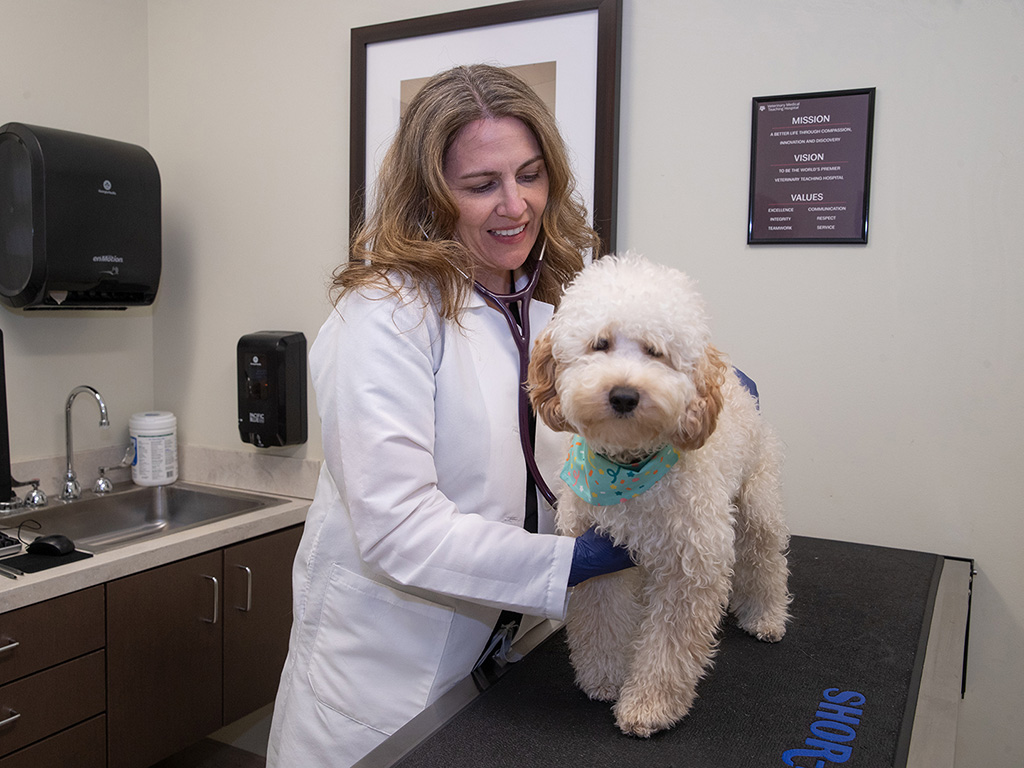
The Transparency Gap: Veterinary vs. Human Medicine
One of the primary reasons we feel such a shock at the vet’s office is that we are largely shielded from the true cost of our own healthcare. In the human medical world, insurance companies, government subsidies, and complex billing systems often hide the reality that a single MRI or a night in the ICU costs tens of thousands of dollars. We pay a co-pay, and the rest happens behind the scenes. In the veterinary world, there is no universal safety net. When you see a line item for a blood panel or an anesthetic procedure, you are seeing the actual market price of those services, the equipment, and the labor required to perform them.
Furthermore, veterinary practices have been hit by the same economic ripples as the rest of the world. Inflation, the rising cost of medical supplies, and the lingering logistical impacts of the global pandemic have all driven prices upward. However, it isn’t just about inflation. We are also living in a golden age of animal medicine. The treatments available today—ranging from chemotherapy for cats to specialized orthopedic surgery for dogs—were nearly unheard of twenty years ago. This advancement in technology requires significant investment, which is naturally reflected in the final bill.
Breaking Down the Overhead: What Your Bill Actually Pays For
It is easy to think of a vet bill as just paying for the doctor’s ten minutes in the exam room, but a veterinary clinic is a highly complex business with immense overhead. Unlike a human doctor who might see you in a small office and send you elsewhere for labs, X-rays, or surgery, a veterinary clinic is often a mini-hospital, pharmacy, laboratory, and surgical center all rolled into one.
When you pay for a procedure, you are funding a vast ecosystem of costs, including:
- Sophisticated Medical Equipment: High-end digital radiography, ultrasound machines, and anesthetic monitoring equipment cost hundreds of thousands of dollars to purchase and maintain.
- Specialized Staffing: It isn’t just the vet. You are paying for licensed veterinary technicians, assistants, and receptionists who ensure your pet is monitored and cared for safely.
- Pharmaceutical Inventory: Maintaining a stocked pharmacy of life-saving medications, vaccines, and emergency drugs requires a massive upfront capital investment.
- Utilities and Biohazard Management: Keeping a clinic sterile, climate-controlled (especially critical for exotic species), and disposing of medical waste are constant, non-negotiable expenses.
Dr. Lori Teller, a clinical professor at Texas A&M, notes that the majority of what a practice earns is immediately funneled back into the daily operations. When we realize that our local vet is essentially running a high-tech trauma center, the costs begin to make more sense.
The Spectrum of Care: General Practice vs. Specialty Hospitals
Just as in human medicine, there are different tiers of veterinary care. Your general practitioner (GP) is your first line of defense. They handle the vaccinations, the wellness exams, and the common ailments. They are the jacks-of-all-trades. However, when a case becomes complex—such as a persistent heart murmur or a complicated fracture—you may be referred to a specialty practice.
Specialty practices are staffed by board-certified veterinarians who have undergone years of additional residency training in fields like cardiology, oncology, or internal medicine. These facilities house advanced tools like CT scanners and 3D printers for surgical planning. Naturally, the cost at a specialist will be higher because you are paying for a level of expertise and technology that a standard neighborhood clinic simply cannot afford to maintain. If you are ever unsure if your pet needs this level of care, check out this guide on 10 critical warning signs your pet needs an urgent vet visit to help gauge the urgency of the situation.
There are also teaching hospitals, usually affiliated with universities. These are the “gold standard” of care, offering the most comprehensive services under one roof. While they are training grounds for the next generation of vets, every student is overseen by top-tier specialists, ensuring your pet receives incredibly thorough, evidence-based treatment.
People Also Ask: Common Questions About Vet Costs
Why are exotic pet vets more expensive?
Exotic pet medicine (birds, reptiles, small mammals) is a niche field. These animals have wildly different anatomies and physiological needs. Anesthesia for a 50-gram parakeet is far more delicate and risky than for a 50-pound dog. Vets who treat these animals often invest in specialized training and equipment, which contributes to a higher consultation fee.
Can I negotiate my vet bill?
While most clinics have set prices for services, many are willing to work with you on a tiered treatment plan. If a comprehensive diagnostic panel is out of reach, ask your vet if you can start with the most critical tests first. Transparency is key—tell your vet your budget constraints early so they can help you prioritize care.
Is pet insurance actually worth it?
In most cases, yes. While it requires a monthly premium, it acts as a crucial buffer against catastrophic costs. If your pet develops a chronic condition or needs emergency surgery, insurance can reimburse 70% to 90% of the cost, turning a $5,000 bill into a manageable expense.
Navigating Financial Challenges: What to Do If You’re Struggling
Veterinarians are animal lovers first; they don’t want to see a pet suffer because of financial barriers. However, they also have to pay their staff and keep the lights on. If you find yourself in a position where you are facing a large bill without the funds, there are several avenues to explore.
Third-party financing, such as CareCredit or Scratchpay, allows you to break down a massive bill into smaller, monthly payments, often with interest-free periods. This can be a lifesaver for unexpected surgeries. Additionally, for those who find themselves in truly difficult positions, it is worth researching what to do if you have no pet insurance and no money for a vet. Many non-profits and local charities offer grants or low-cost clinics for basic care.
One of the most important things you can do is start a pet emergency fund. Even putting away $20 a month into a dedicated savings account can provide a much-needed cushion when that unexpected ear infection or minor injury occurs. Planning for the “what ifs” is a fundamental part of responsible pet ownership.
The True Value of Preventive Care
If there is one secret to saving money on veterinary bills, it is this: Never skip the preventive stuff. It might seem like an unnecessary $100 today to get a wellness exam and a heartworm test, but that $100 can save you $2,000 down the road. As Dr. Teller pointed out, many owners have delayed routine visits in recent years, leading to a surge in preventable diseases.
For example, heartworm disease is relatively inexpensive to prevent but incredibly costly and physically taxing for the animal to treat once it has taken hold. The same applies to dental health. A routine cleaning might feel pricey, but it is far cheaper than oral surgery to remove several rotted teeth later in life. There are many complications that can arise from delayed pet visits, and most of them end up being more expensive than the original checkup would have been.
Many clinics now offer wellness plans that allow you to pay a monthly fee to cover all routine care—vaccines, exams, and basic labs—which helps spread the cost of preventive medicine throughout the year rather than hitting you all at once in one month.
The Expert Verdict: A Partnership in Health
At the end of the day, your veterinarian is your partner in your pet’s health. The bills we pay are a reflection of the incredible advancements in science that allow our pets to live longer, happier lives than ever before. While the numbers can be daunting, approaching the situation with a plan—combining preventive care, insurance, and open communication—can take the sting out of the cost.
Key Takeaways for Pet Parents:
- Communicate early: Always ask for an estimate and discuss your budget with your vet before procedures begin.
- Prioritize prevention: Annual exams and monthly preventatives are the best ways to avoid the “big” bills.
- Have a safety net: Whether it is insurance or a dedicated savings account, don’t wait for an emergency to think about the money.
- Understand the levels: Know when a general vet is enough and when the expertise of a specialist is worth the extra investment.
Our pets give us unconditional love and companionship. By understanding the reality of their medical needs and the costs associated with them, we ensure that we can provide them with the best possible life, from their first puppy or kitten checkup all the way through their golden years.


