Bringing a small pet into your home is a rewarding journey that blends the joy of companionship with the unique charm of ‘pocket-sized’ personalities. In 2024, the trend of small animal ownership has reached new heights, with millions of households discovering that hamsters, guinea pigs, and rats offer as much love and interaction as their larger counterparts. These creatures are more than just ‘starter pets’ for children; they are sophisticated animals with specific social, nutritional, and environmental needs. Whether you are living in a compact city apartment or a sprawling suburban home, small pets are often the perfect fit due to their affordability and space efficiency. However, providing a loving home goes beyond simply buying a cage. It requires a deep understanding of their biology and psychology to ensure they thrive. In this guide, we will explore the latest expert-backed methods to transition your new friend from the pet store to a happy, healthy life in your home.
Understanding Social Dynamics: Solitary vs. Social Species
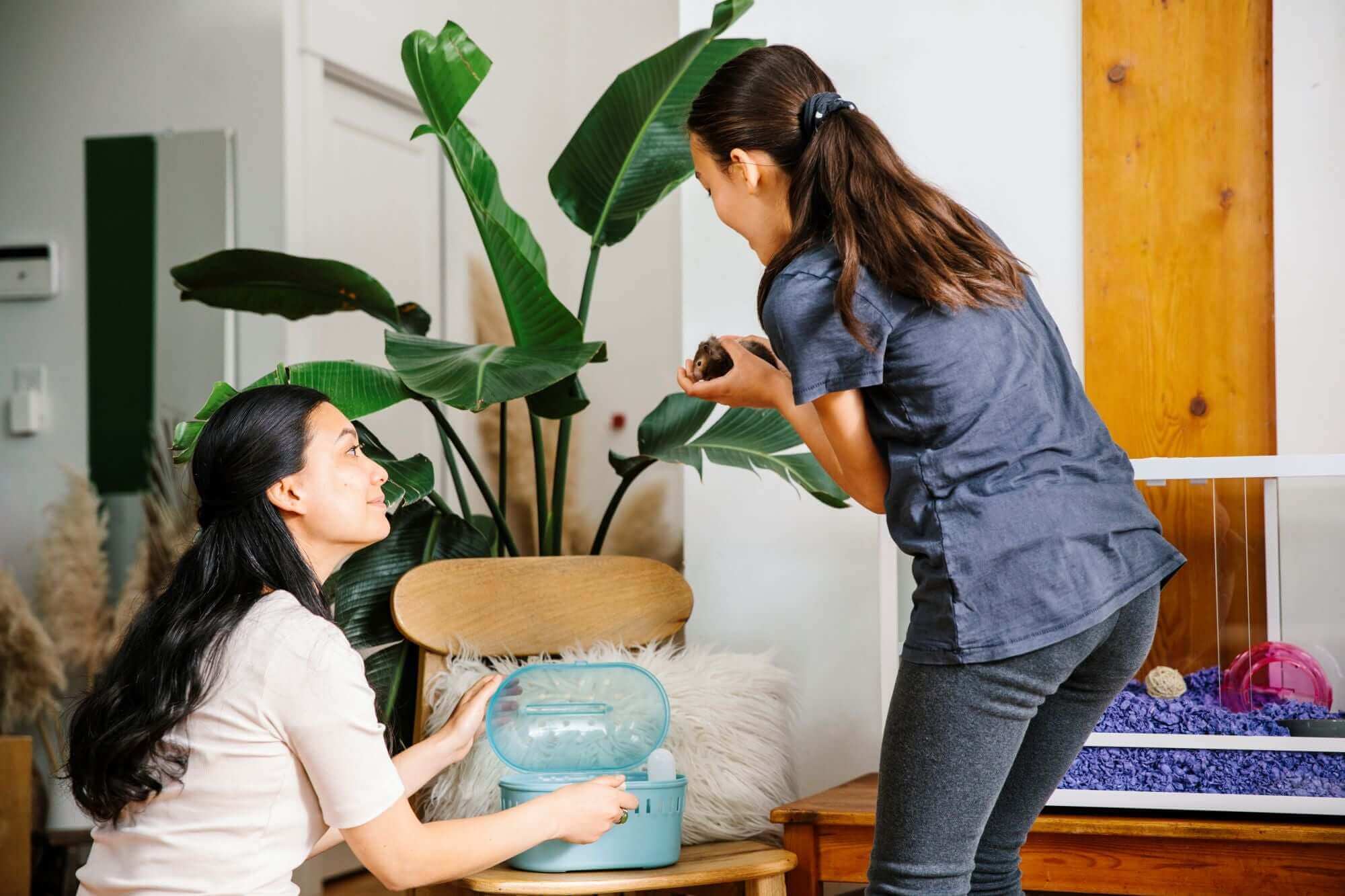
One of the most critical decisions you will make occurs before you even step foot in the pet store: determining how many pets to adopt. According to 2024 veterinary guidelines, small animals have vastly different social requirements based on their species. Guinea pigs and rats are highly gregarious ‘herd’ animals. In the wild, they rely on their community for protection and mental stimulation. Keeping a guinea pig alone can lead to clinical depression, lethargy, and a weakened immune system. Most experts now recommend adopting ‘bonded pairs’ or trios to ensure they have constant companionship. Rats, often called ‘low-maintenance dogs,’ are incredibly intelligent and require the social hierarchy of a group to stay mentally sharp. On the other end of the spectrum, Syrian hamsters are strictly solitary and fiercely territorial. Housing two Syrian hamsters together will almost certainly lead to violent conflict. Understanding these biological imperatives is the first step in responsible pet ownership.
The Pre-Arrival Habitat Checklist: Building a Sanctuary
Preparation is the key to reducing the stress of a ‘homecoming.’ Modern pet care standards have shifted significantly regarding habitat size. For example, while older cages were often small and tiered, 2024 standards for hamsters emphasize floor space over height, recommending a minimum of 450 to 600 square inches of unbroken floor space to prevent ‘cage stress.’ For guinea pigs, a minimum of 7.5 to 10 square feet is necessary to allow for their natural ‘popcorning’ (joyful jumping) behaviors. Before bringing your pet home, ensure you have the following essentials: a high-quality habitat, species-specific bedding, a drip-resistant water bottle, heavy ceramic food bowls, and multiple hiding spots. Setting everything up in advance ensures that when your pet arrives, they can immediately retreat to a safe, quiet space without the noise and disruption of cage assembly.
Atmosphere, Bedding, and the Science of Burrowing
The location of your pet’s habitat plays a vital role in their health. Small animals are sensitive to temperature fluctuations and respiratory irritants. Place the habitat in a well-ventilated room, away from direct sunlight, drafts, or loud electronics. Bedding is perhaps the most underrated aspect of small pet health. For hamsters and gerbils, providing 6 to 10 inches of high-quality, paper-based bedding like carefresh is essential for their natural burrowing instincts. Recent studies show that hamsters with deeper bedding exhibit significantly lower stress hormones. Avoid cedar or pine shavings, as these contain phenols that can damage the delicate respiratory systems of small mammals. For guinea pigs, who do not burrow but produce more waste, absorbent fleece or thick paper bedding is preferred to manage moisture and prevent ‘bumblefoot,’ a common bacterial infection caused by damp flooring.
The Critical First 72 Hours: Acclimation and Trust
The transition to a new environment is the most stressful period in a small animal’s life. Upon arrival, it is vital to practice the ‘hands-off’ rule for the first 2 to 3 days. Your pet needs this time to map out their new home, mark it with their scent, and realize they are safe from predators. Keep interactions to the absolute minimum—only entering the cage to replenish fresh water and food. You can, however, begin the auditory taming process. Sit near the cage and speak in soft, soothing tones. This allows the pet to associate your specific scent and voice with safety. Observation is key during this phase. Watch for normal eating and drinking habits. In 2024, many owners use ‘pet cams’ to monitor their pets’ nocturnal activity, ensuring they are active on their wheels or exploring their tunnels without the pressure of human presence.
Socialization and the Art of Handling
Once your pet has settled, socialization can begin in small, incremental steps. Use ‘choice-based’ interaction: offer a healthy treat (like a piece of romaine lettuce or a sunflower seed) from your palm and let the pet approach you. Never grab a small pet from above, as this mimics the movement of a predatory bird and triggers a fear response. Instead, scoop them up gently from underneath. Guinea pigs and rats often express happiness through vocalizations. Guinea pigs will ‘wheek’ when they hear the refrigerator door or purr when being petted softly. Rats may even perform a ‘boggle,’ where their eyes vibrate slightly when they are extremely relaxed. Always supervise small children, as the fragile bones of these animals can easily be injured by an over-eager squeeze. Daily out-of-cage playtime in a secure, ‘pet-proofed’ area is also highly recommended for mental enrichment.
Nutrition and Preventative Health
Diet is the foundation of longevity. For guinea pigs, high-quality Timothy hay must make up 80% of their diet to keep their constantly growing teeth worn down and their digestive tracts moving. Crucially, guinea pigs cannot synthesize their own Vitamin C, so fresh bell peppers or fortified pellets are mandatory. Hamsters benefit from a diverse seed mix and occasional protein sources like dried mealworms. Always keep a close eye on their behavior; small animals are ‘prey species’ and are experts at hiding illness. If you notice crusty eyes, a hunched posture, or a change in droppings, consult an exotic animal veterinarian immediately. Many owners in 2024 are now opting for bi-annual wellness checks to catch common issues like dental malocclusion or respiratory infections early.
Expert Review and Verdict
Based on current trends and veterinary data, small pets are an excellent choice for those willing to invest in the right setup. The ‘verdict’ from experts is clear: small animals are low-cost in terms of space but high-investment in terms of specific knowledge. While they are often marketed as ‘easy,’ the highest level of care involves significant enrichment and dietary management. If you are looking for a pet that offers deep social bonds, rats or guinea pigs are the top choice. If you prefer an independent, fascinating creature to observe, a hamster is an ideal companion. In either case, the 2024 approach emphasizes ‘enrichment-first’ care, ensuring these tiny animals live full, vibrant lives.
Frequently Asked Questions (FAQ)
How long do these small pets typically live?
Hamsters generally live 2 to 3 years, while guinea pigs have a longer lifespan of 5 to 8 years. Rats typically live 2 to 3 years. Understanding these lifespans helps in planning for long-term commitment.
How often should I clean the habitat?
Spot cleaning (removing wet bedding and uneaten fresh food) should be done daily. A full deep clean, where most of the bedding is replaced and the base is disinfected, should occur once a week or every two weeks depending on the size of the habitat and the number of pets.
Do small pets smell?
Healthy small pets are naturally clean. Any significant odor is usually a sign of an undersized cage, improper bedding, or infrequent cleaning. Keeping up with a regular maintenance schedule effectively eliminates odors.
What are the best toys for enrichment?
Avoid plastic toys that can be swallowed. Instead, opt for applewood sticks, willow balls, cardboard tunnels, and foraging mats. For hamsters, a solid-surface upright wheel (not wire) is the single most important enrichment tool.
Conclusion
Bringing home a small pet is an invitation to witness the fascinating complexities of the animal kingdom in your own living room. By respecting their social needs, providing a spacious and enriched habitat, and approaching socialization with patience, you set the stage for a profound bond. These ‘small’ additions to your family will bring immense joy and teach valuable lessons in empathy and care. With the right preparation, your new pet won’t just survive—they will thrive as a beloved member of your home.


