When a stray animal is brought into a veterinary clinic without an owner, the atmosphere is often heavy with uncertainty. Veterinary staff work tirelessly to provide comfort, but without a clear guardian to authorize extensive procedures, the fate of these animals often hangs in the balance. This was the situation for a small dog with a distinct “Mohawk” of fur running down his back. Riddled with pain and lacking a microchip, his future looked grim until Patricia, a compassionate soul with a heart for the vulnerable, decided to step in. She couldn’t bear to see the little guy suffer and took full responsibility for his medical journey, naming him Moe. This marked the beginning of an extraordinary journey of recovery, proving that physical limitations do not define a pet’s spirit.
Understanding the Diagnosis: Fractured Vertebrae and Canine Paralysis
Moe’s initial diagnosis was devastating: a fractured vertebrae and partial paralysis. In the world of veterinary medicine, spinal injuries are among the most complex and emotionally taxing cases for pet owners. While Moe’s injury resulted from a specific trauma, many pet owners face similar mobility challenges through conditions like Intervertebral Disc Disease (IVDD). According to 2024 veterinary trends, nearly 2% of the total dog population may experience some form of spinal or disc-related issue in their lifetime, with certain breeds being significantly more predisposed.
Recognizing the severity of such an injury is the first step toward a successful intervention. In many cases, the first ten minutes after discovering an injured pet are the most critical. Understanding 10 critical warning signs your pet needs an urgent vet visit can be the difference between a full recovery and permanent damage. For Moe, the immediate medical attention he received allowed the veterinary team to stabilize his spine, though the road ahead was long and required immense patience.
The Healing Process: Bracing for Success
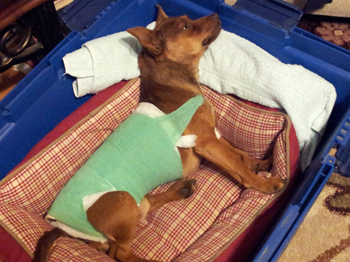
Recovery for a paralyzed dog isn’t always about high-tech surgeries; sometimes, it’s about the ingenuity of the medical team and the dedication of the caregiver. Patricia and her veterinarian fashioned a custom back brace for Moe using leftover materials from a previous procedure. Moe spent eight weeks confined to this makeshift brace, allowing the fractured portion of his vertebrae to calcify. This process of calcification is nature’s way of creating a natural internal splint, eventually providing enough stability for the dog to move safely without external support.
During this period, pain management and emotional support are paramount. Providing holistic comfort is essential, especially when a pet is restricted in their movement. Learning how to provide comfort for your pet in every stage of life is a vital skill for any owner dealing with a chronic or acute health crisis. Moe remained on medication to manage his pain, but his resilient spirit never wavered.
Freedom Through Mobility: The Rise of Dog Wheelchairs
Once Moe was medically stable, Patricia took the next step in his rehabilitation: ordering a custom dog wheelchair. The evolution of pet mobility aids has seen a massive surge in the last few years. In 2024, mobility carts are lighter, more adjustable, and more affordable than ever before. For Moe, the transition was instantaneous. Within one minute of fine-tuning the chair, he was wheeling around the house with newfound independence.
Wheelchairs for dogs serve several purposes beyond just movement:
- Muscle Maintenance: They allow the dog to use their front legs effectively, preventing muscle atrophy.
- Psychological Well-being: Being able to explore their environment reduces the depression often seen in immobile pets.
- Digestive Health: Standing upright and moving helps maintain regular bowel and bladder function.
While Moe’s case involved a spinal fracture, these devices are also commonly used for pets recovering from other orthopedic issues, such as an ACL injury in dogs, where keeping weight off a healing joint is crucial for long-term mobility.
Adapting the Home Environment for a Paralyzed Pet
Adopting or caring for a paralyzed dog like Moe requires more than just medical care; it requires a reconfiguration of the living space. Patricia’s friends helped build custom ramps so Moe could navigate the back door and access different levels of the deck. This type of environmental modification is key to a paralyzed pet’s quality of life.
Modern pet owners are increasingly looking at “universal design” for their homes. This includes non-slip flooring to prevent further injury, orthopedic bedding to prevent pressure sores, and elevated feeding stations. For a dog in a wheelchair, clear pathways and the removal of rug transitions can make the difference between a frustrated pet and a thriving one. Moe’s ability to join his siblings—Skippets Red Drover, Trixie, and the kids—on family outings proves that with the right modifications, a paralyzed dog can live a full, social life.
Expert Review: The 2024 Outlook on Canine Rehabilitation
As a specialist in pet health journalism, I have observed a significant shift in how we view pet disabilities. We are no longer in an era where paralysis is an automatic death sentence. The “Moe” model of care—combining stabilizing veterinary medicine, custom mobility aids, and home modification—is now the gold standard. In 2024, we are seeing the integration of laser therapy and underwater treadmills (hydrotherapy) into standard recovery protocols, which significantly improves the chances of partial nerve regeneration.
The verdict? A paralyzed dog’s quality of life is dictated more by the owner’s commitment to adaptation than the injury itself. Dogs like Moe don’t realize they are “disabled”; they only know they want to play, eat, and be with their family. Providing them the tools to do so is one of the most rewarding experiences a pet owner can have.
Frequently Asked Questions (FAQ)
Can a paralyzed dog still have a high quality of life?
Absolutely. With a supportive environment, proper mobility aids like wheelchairs, and consistent veterinary care, paralyzed dogs can lead happy, active, and long lives. They adapt remarkably quickly to their new “normal.”
How much do dog wheelchairs cost in 2024?
Prices vary based on size and complexity, but most high-quality, adjustable wheelchairs range from $200 to $600. There are also many non-profit organizations that offer “wheelchair rentals” or refurbished carts for families in need.
How do I manage a paralyzed dog’s bathroom needs?
Depending on the level of paralysis, some dogs may need their bladders manually expressed several times a day. Others may have some control but require easy-to-clean flooring or dog diapers. Consult with your vet to establish a routine that prevents urinary tract infections.
Are certain breeds more prone to spinal injuries?
Yes, chondrodystrophic breeds (dogs with short legs and long backs) like Dachshunds, Corgis, and Basset Hounds are more susceptible to IVDD, which can lead to paralysis. However, any breed can suffer a spinal fracture due to trauma, as seen in Moe’s case.
Can a paralyzed dog’s condition ever improve?
In some cases, yes. Through physical therapy, surgery, or simply the body’s natural healing process (like Moe’s calcification), some dogs may regain partial movement or deep pain sensation over time. Consistent rehabilitation is key.
Conclusion
Moe the dog is a living testament to the power of human compassion and the resilience of the animal spirit. What began as a tragic story of a nameless, injured stray transformed into an inspiring tale of a beloved family member who refuses to let a wheelchair slow him down. By investing in preventative care, innovative mobility solutions, and a lot of love, Patricia gave Moe a second chance at life. For any pet owner facing a similar diagnosis, let Moe be the beacon of hope that proves there is always a way forward, even on four (or two) wheels.


