As someone who has spent decades surrounded by the vibrant chatter of parrots and the gentle coos of doves, I can tell you that a bird is more than just a pet; they are highly intelligent, sentient beings that require deep mental engagement. In the wild, birds spend a staggering 60% to 80% of their waking hours foraging, flying, and socializing. When we bring them into our homes, we take on the profound responsibility of replicating that complexity within the confines of a cage or a dedicated bird room. Without proper stimulation, these brilliant creatures can succumb to boredom, which often manifests in destructive behaviors like feather plucking, screaming, or aggression. Providing enrichment isn’t just about giving them toys; it’s about honoring their biological heritage and ensuring their psychological well-being.
Why Enrichment is a Necessity, Not a Luxury
Many first-time bird owners think a clean cage and a bowl of seeds are enough. However, seasoned enthusiasts know that enrichment is as vital as food and water. Birds are essentially “toddlers in feathers,” possessing the cognitive abilities of small children. Imagine a child locked in a room with nothing to do; the result would be devastating. For an avian companion, enrichment serves as a workout for their brain. It encourages natural behaviors, reduces stress, and strengthens the bond between you and your pet. By diversifying their environment, you are essentially creating a pet-friendly home that caters to their specific instinctual needs.
The Science of Foraging: Making Food Fun
In the wild, no one hands a macaw a bowl of pellets. They have to work for it. This concept is called “contrafreeloading”—the phenomenon where animals actually prefer to work for their food rather than having it offered freely. You can introduce foraging by hiding treats inside cardboard boxes, wrapping them in coffee filters, or using specialized foraging toys. Start simple so your bird doesn’t get frustrated. Once they understand the game, you can increase the difficulty, making them solve puzzles or unscrew components to reach their prize. This mimics the mental and physical challenge of finding food in a tropical canopy or an Australian scrubland.
Tailoring Enrichment to Specific Bird Species
As Debra Turner, a senior research associate at the Texas A&M College of Veterinary Medicine & Biomedical Sciences, points out, every bird is a unique individual. Through my years in the aviary, I’ve seen that species-specific preferences are very real. What delights a Cockatoo might completely bore a Budgie. Understanding these nuances is key to selecting the right tools for engagement.
The Mechanical Minds of Cockatoos
Cockatoos are famous (and sometimes infamous) for their mechanical curiosity. These birds are the engineers of the avian world. They love anything they can take apart. Stainless steel nuts, bolts, and locks are excellent for them. If you don’t provide them with “puzzles” to solve, they will likely find their own—usually by figuring out how to unlatch their cage door or dismantle your expensive jewelry. For these birds, focus on high-durability toys that challenge their problem-solving skills.
The Shredding Sensations: Macaws and Greys
Larger parrots like Macaws and African Greys have powerful beaks designed for cracking hard nuts and excavating nesting cavities. For them, destruction is a form of creation. Softwoods, thick vegetable-tanned leather, and heavy-duty cardboard are essential. They need to be able to rip, tear, and shred. Watching a Macaw happily turn a pine block into toothpicks is a sign of a bird that is getting its instinctual “chew fix.”
Small Birds, Big Personalities
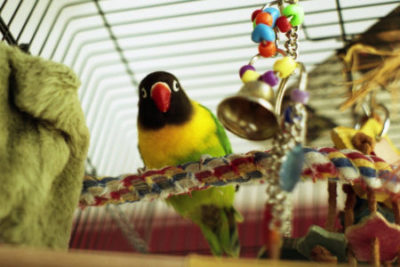
Don’t overlook the smaller species like Cockatiels, Lovebirds, and Parakeets. These birds often prefer lightweight plastic toys, bells, and mirrors (used sparingly). They are extremely active and enjoy “gym” setups with plenty of ladders, swings, and climbing ropes. Because they are smaller, their focus is often on agility and rapid-fire interaction rather than heavy-duty destruction.
The Different Categories of Enrichment
To provide a truly holistic environment, you should rotate through various types of enrichment. Don’t throw ten toys in the cage at once; instead, offer a few from each category and swap them out weekly to keep things fresh. This variety is a cornerstone of taking proper care of your pet.
- Visual Enrichment: This can include a view of the outdoors, television (nature documentaries are a hit!), or even bright colors. Remember, birds see in a broader spectrum than humans, including UV light.
- Auditory Enrichment: Music can have a profound effect. Some parrots love classical music, while others might start dancing to upbeat pop. Playing recordings of wild bird sounds can also be stimulating, though monitor for signs of stress.
- Social Enrichment: Birds are flock animals. Human interaction, training sessions, and even just sitting in the same room while you read are vital.
- Tactile Enrichment: Different textures like cool metal, rough wood, soft fabric (watch for loose threads), and bumpy plastics help stimulate their feet and beaks.
Safety First: Avoiding Hazards in the Cage
While we want to provide fun, safety is the ultimate priority. The bird toy industry is not always well-regulated, so as an owner, you must be the final safety inspector. Avoid toys with lead or zinc components, as these can cause heavy metal poisoning. Stainless steel is always the gold standard for metal parts.
Another common danger is string or loose fibers. Birds can easily get their toes or necks caught in frayed ropes, leading to catastrophic injuries. Opt for Polyethylene (PE) rope or sisal, which are much safer. Also, ensure that any plastic parts are “child-safe” and durable enough that the bird cannot bite off small pieces and swallow them.
The Power of DIY Enrichment
You don’t need to spend a fortune at the pet store to keep your bird entertained. In fact, some of the best DIY enrichment ideas come from items you already have at home. Empty paper towel rolls can be stuffed with hay and seeds. Clean popsicle sticks can be drilled and strung on a leather lace. Even clean, dry pinecones make excellent natural foot toys. The key is to ensure every material is non-toxic and free of pesticides or chemical residues.
Cage Placement and Environmental Factors
The location of your bird’s habitat is a form of enrichment itself. Placing the cage near a window allows them to watch the movement of clouds, trees, and wild birds, which provides hours of passive entertainment. However, be mindful of direct sunlight; they must always have a shaded area to retreat to. If you take your bird outside, always use a secure travel cage or a harness. Never leave a bird unattended outdoors, as predators like hawks or even neighborhood cats can strike through cage bars in an instant.
People Also Ask (PAA)
How do I know if my bird is bored?
Common signs of boredom include repetitive movements (pacing or head bobbing), excessive vocalization (screaming), and self-mutilation (plucking feathers). If your bird seems lethargic or loses interest in its favorite treats, it may be time to revamp their enrichment schedule.
How often should I change my bird’s toys?
I recommend a “toy rotation” every 7 to 10 days. You don’t have to buy new ones every time; just swap the current toys for ones that have been in the “closet” for a while. This makes the environment feel new and exciting again.
Can a bird have too many toys?
Yes. A cage that is overcrowded can prevent a bird from fully extending its wings or moving around comfortably. It can also cause stress if the bird feels “trapped” by objects. Focus on 3-5 quality items at a time rather than a dozen cheap ones.
Expert Verdict: The Secret to a Long-Lived Bird
In my experience, the healthiest birds aren’t just the ones with the best diets; they are the ones with the most active minds. Enrichment is the bridge between a bird that simply exists and a bird that thrives. By observing your pet, understanding their species-specific instincts, and constantly innovating their environment, you are providing them with a life of dignity and joy. Remember, the goal of enrichment is to empower your bird to make choices and interact with their world in a meaningful way. Start small, be consistent, and watch your feathered friend’s personality truly take flight.


