As we move through 2024, the bond between humans and their small animal companions—rabbits, guinea pigs, hamsters, and rats—has never been stronger. However, with the rising costs of living and a volatile economy, many pet parents are finding that the price of store-bought toys, treats, and enrichment materials is climbing steadily. Enrichment is not just a luxury; it is a vital component of a small pet’s mental and physical health, preventing boredom-induced behaviors like cage chewing, lethargy, and overeating. The good news is that providing a world-class environment for your furry friends does not require a massive bank account. By leveraging your creativity, a bit of backyard foraging, and common household items, you can create a stimulating paradise for your pets. This comprehensive guide will explore how to maximize your pet’s happiness while minimizing your expenses, ensuring your pocket-sized companions thrive in a high-enrichment household.
The Foraging Revolution: Sourcing Enrichment from Your Own Backyard
Foraging is a natural behavior for small animals. In the wild, rabbits and rodents spend the majority of their waking hours searching for food, gnawing on textures, and exploring new scents. You can replicate this experience by sourcing safe, natural materials from your own environment. Clean, untreated wood is one of the most effective tools for dental health. Small pets have teeth that grow continuously throughout their lives; without proper materials to gnaw on, these teeth can become overgrown, leading to painful abscesses or the need for expensive veterinary intervention. According to recent veterinary data from 2023, dental-related issues remain the top reason for small mammal clinic visits, many of which are preventable through proper enrichment.
However, safety is paramount. When heading to the backyard with your clippers, you must be certain of the species you are harvesting. Apple, pear, willow, and hazelnut branches are generally safe and highly prized by small animals. Conversely, you must strictly avoid ‘stone fruit’ trees like cherry, plum, or peach, as well as evergreens like cedar or pine (unless properly treated), which can contain harmful resins or phenols. Before giving any branch to your pet, ensure it has not been treated with pesticides or fertilizers. To prepare your find, scrub the wood with a 50/50 vinegar-water solution, remove any sharp thorns, and allow it to dry completely in the sun or a low-heat oven to kill any lingering bacteria or parasites.
Pinecones: Nature’s Versatile Puzzle Toy
Pinecones are an overlooked gem in the world of budget-friendly pet care. A single pinecone can be transformed into a variety of toys. You can stuff the scales with Timothy hay or small pieces of dried herbs to create a natural foraging puzzle. Alternatively, you can string several pinecones together using natural sisal rope to create a hanging mobile that encourages your pet to reach and stretch, providing essential physical exercise. Before use, pinecones must be cleaned to remove sticky sap and insects. A common expert recommendation is to soak them in a vinegar solution and then bake them at a low temperature (around 200°F) for 30 minutes. This process not only sanitizes the pinecone but also causes it to open its scales fully, making it the perfect vessel for treats.
Cultivating a Pet-Centric Victory Garden
In 2024, the trend of ‘homesteading for pets’ has exploded. Growing your own produce is not only a therapeutic hobby but a massive cost-saver. Recent consumer price index data shows that fresh leafy greens and herbs have seen some of the highest price increases in the grocery aisle. By dedicating a small corner of your yard or even a few windowsills to a pet garden, you can provide premium organic nutrition for the price of a few seed packets. Leafy greens like romaine, kale, and dandelion greens are excellent staples. Herbs such as parsley, cilantro, and mint offer intense sensory stimulation and can even help with digestive health.
Consider planting a ‘small pet grazing box.’ This involves planting pet-safe grass seeds or clover in a shallow, wide container. Once the grass reaches a few inches in height, you can place the entire container into your pet’s enclosure, allowing them to ‘graze’ as they would in nature. This provides both nutritional value and a cooling, natural texture for them to sit on. Always remember that fruits like strawberries, blueberries, or melons should be treated as high-sugar rewards and offered in moderation. The satisfaction of seeing your pet enjoy a fresh sprig of cilantro that you grew yourself is a rewarding experience that strengthens the human-animal bond.
The Zero-Waste Pet Parent: Repurposing Household Items
Before you toss that empty toilet paper roll or shipping box into the recycling bin, consider its potential as a high-value toy. In the pet industry, there is a growing movement toward sustainability and waste reduction. Small pets do not care about the aesthetic of their toys; they care about the function. A cardboard box can be transformed into a multi-level castle with just a pair of scissors. By cutting multiple entry and exit points, you fulfill the pet’s natural instinct to have a ‘bolt hole’ or a safe place to hide, which significantly reduces cortisol levels in prey animals.
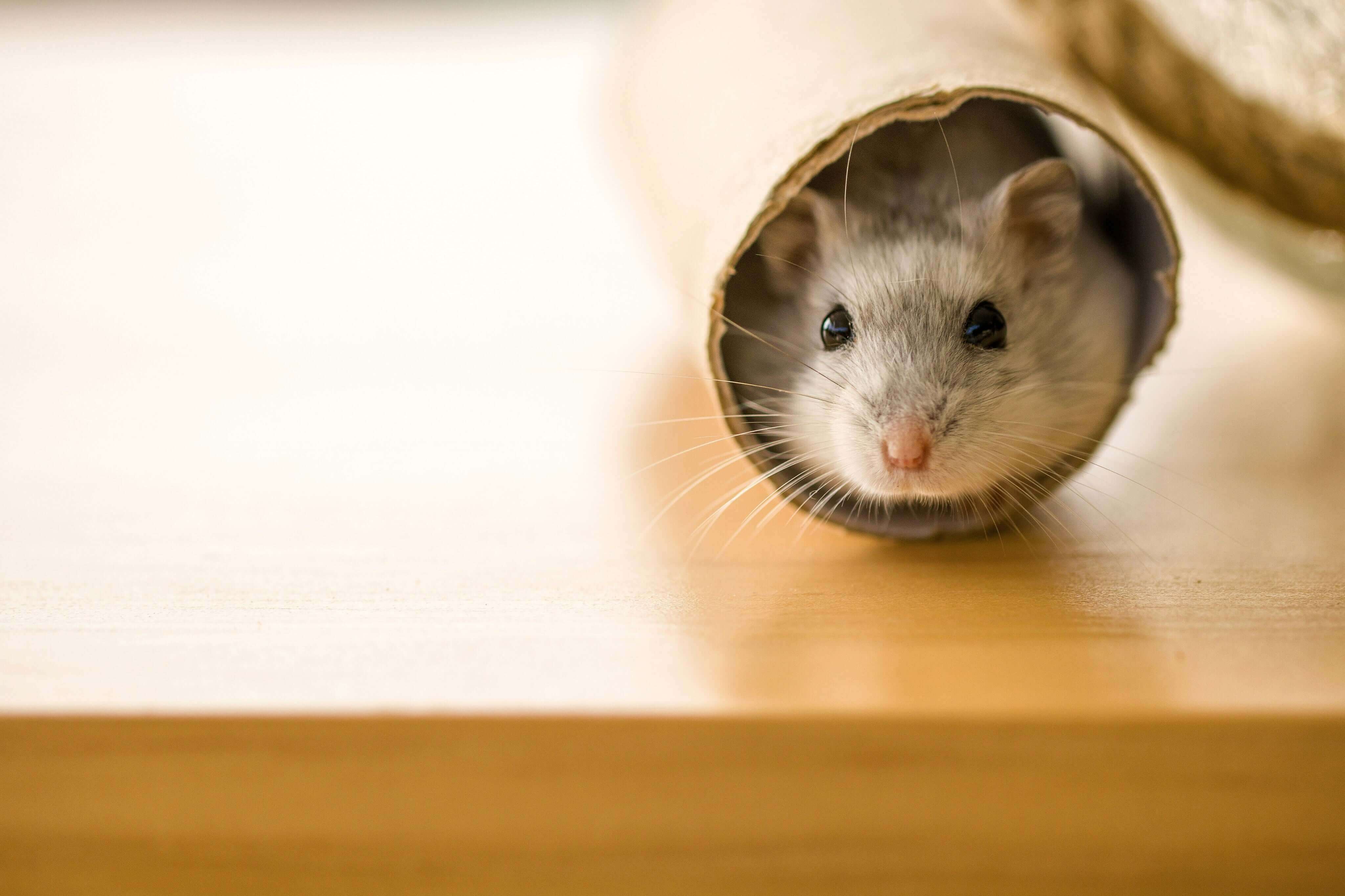
Empty paper towel rolls can be stuffed with hay and a few hidden pellets, forcing the animal to work for its meal. This type of occupational enrichment mimics natural foraging and keeps the brain active. Butcher paper or unprinted packing paper can be scrunched into balls or used to line a digging box, providing a satisfying crinkle sound and a new texture to explore. Always ensure that any cardboard or paper used is free of glossy coatings, heavy inks, staples, tape, or glue residues to ensure complete safety during gnawing sessions.
Expert Verdict: Why DIY is the Gold Standard for 2024
Leading animal behaviorists agree that variety is the spice of life for small mammals. Commercial toys often follow a ‘one size fits all’ approach, but DIY enrichment allows you to tailor activities to your specific pet’s personality. A study conducted in early 2024 suggested that pets engaged in daily varied enrichment showed a 40% reduction in stress-related behaviors compared to those in static environments. The DIY approach is not just about saving money; it is about the constant introduction of new scents, textures, and challenges that keep a pet’s mind sharp and their body active. By rotating these homemade items weekly, you ensure the environment never becomes stale.
Frequently Asked Questions (FAQ)
Is it safe to use any cardboard box for my rabbit or guinea pig?
While most plain brown cardboard boxes are safe, you should avoid boxes with heavy color printing, wax coatings, or those that contained chemicals or detergents. Always remove all tape, staples, and shipping labels before giving the box to your pet.
How often should I change my pet’s DIY toys?
Rotation is key. To keep your pet engaged, swap out toys every 5 to 7 days. If a toy becomes heavily soiled or chewed down to a size that could be a choking hazard, replace it immediately.
Can I give my pet branches from any tree in my yard?
No. Many common landscape trees like cherry, yew, and azalea are toxic. Always identify the tree species with 100% certainty and ensure no pesticides have been sprayed in the area for at least a year.
Are pinecones really safe for hamsters?
Yes, provided they are cleaned and baked to remove sap and pests. Hamsters love to climb on them and gnaw on the scales, which helps keep their teeth trim.
What are the best herbs to grow for beginners?
Mint, parsley, and cilantro are incredibly hardy and grow well in pots. They provide excellent enrichment due to their strong scents and are generally very safe for most small pets in moderation.
Conclusion
Providing a rich, engaging life for your small pets does not require a luxury budget. By embracing the principles of DIY enrichment, sustainable gardening, and safe foraging, you can create a dynamic environment that caters to your pet’s natural instincts. These activities do more than just save you money; they foster a deeper understanding of your pet’s needs and provide them with the mental stimulation required for a long, happy life. Start small—save your next cardboard tube or plant a single pot of parsley—and watch as your small pet delights in the simple, healthy joys of your homemade creations.


