Choosing the right cat litter has evolved from a simple grocery store errand into a complex decision involving chemistry, environmental ethics, and feline health. Gone are the days when pet parents were limited to a few dusty, non-clumping clay options that barely masked odors. Today, the pet care aisle is a diverse landscape of crystal litters that change color based on pH levels, traditional bentonite clays, and a burgeoning category of natural alternatives including corn, wheat, tofu, walnut shells, and wood. As we navigate 2024, the shift toward sustainability is no longer just a trend—it is a movement driven by cat owners who demand better performance without compromising the planet. At the end of the day, your choice must satisfy a difficult checklist: it needs to be attractive to your cat, easy for you to maintain, superior at neutralizing odors, and gentle on the ecosystem. Making an informed choice saves you time, money, and potentially a few trips to the veterinarian.
The Hidden Impact of Traditional Clay Litter
For decades, clay has been the industry standard, but its dominance is being challenged as consumers learn about the environmental and health costs. Clay litter still accounts for more than five billion pounds of strip-mined clay annually in the United States alone. Strip mining is a highly invasive surface mining process that involves stripping away massive layers of soil and rock to reach the minerals beneath. This process doesn’t just leave a hole in the ground; it destroys local wildlife habitats, contributes to soil erosion, and frequently leads to the pollution of nearby waterways. Since clay is not biodegradable, the used litter—saturated with waste—ends up clogging landfills, where it remains for centuries.
Beyond the environmental footprint, there is the issue of respiratory health. Most clay litters contain sodium bentonite and crystalline silica. When you pour the litter or when your cat digs, fine dust particles are released into the air. A cat’s sense of smell is approximately 14 times stronger than a human’s, and their lungs are significantly smaller. Constantly inhaling this dust can exacerbate feline asthma and other respiratory issues. Furthermore, cats are meticulous groomers; they often ingest these clay particles when licking their paws, leading to potential internal blockages over time.
The Science of Wood: Why Nature Does it Better
Natural wood litter operates on a completely different scientific principle than clay or silica. If you have ever seen a piece of unfinished wood swell up after a water leak, you have witnessed the incredible natural absorbency of wood fibers. This capillary action allows wood-based litters to absorb liquid on contact, trapping it deep within the fiber structure before it can reach the bottom of the tray and create a sticky mess.
Crucially, wood fiber naturally contains polyphenols and phytonicides. These organic compounds prevent enzymes from bonding with liquid waste, which effectively stops the chemical reaction that creates the pungent smell of ammonia. While clay often relies on heavy synthetic perfumes to mask odors, wood litter provides a light, natural scent that is pleasant for humans and non-threatening to the sensitive nose of a cat. While wood is a master at neutralizing urine odors, experts recommend scooping solid waste promptly and using biodegradable bags to maintain the highest level of hygiene, as wood is slightly less aggressive than silica at dehydrating feces instantly.
Modern Innovation: The Rise of ökocat
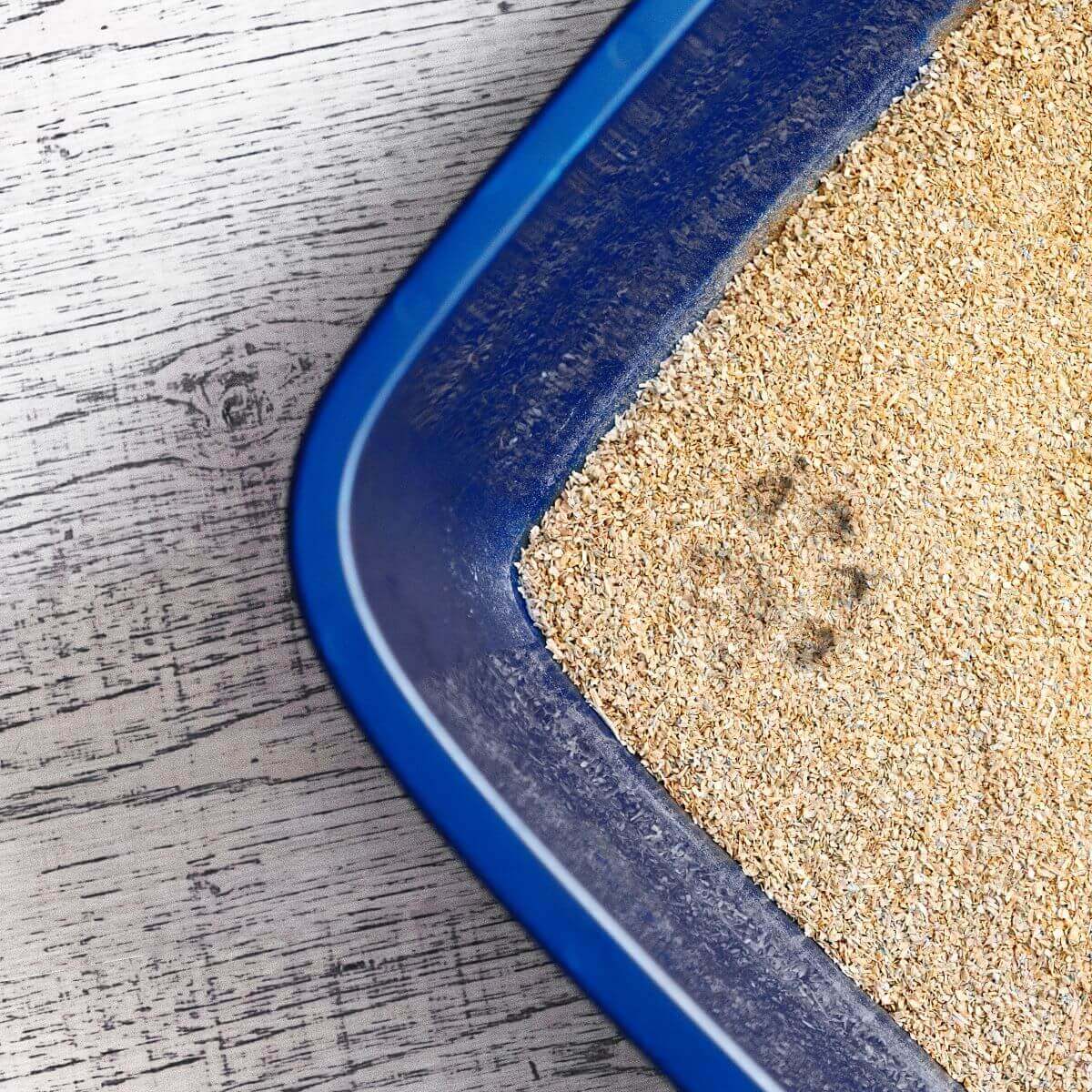
Products like ökocat represent the pinnacle of wood litter technology. These litters are precision-cut to maximize surface area for absorption while utilizing a plant-based binder to create solid clumps. This removes one of the biggest historical complaints about natural litter: the lack of clumping. By forming firm, easily scoopable clumps, wood litter allows pet parents to remove only the soiled portion, leaving the remaining litter fresh and usable for a much longer period. In fact, when managed correctly with regular scooping, the base litter in an ökocat box can last up to seven weeks.
2024 Market Trends and Data Insights
Recent market research from 2023 and 2024 indicates a significant pivot in consumer behavior. According to industry reports, the “Natural Cat Litter” segment is projected to grow at a CAGR of over 10% through 2030, outstripping the growth of traditional clay. This is largely attributed to Gen Z and Millennial pet owners, who now make up the largest demographic of pet parents. These consumers prioritize “clean label” products and are willing to pay a higher upfront cost for a product that lasts longer and has a lower carbon footprint.
A 2024 case study involving urban cat owners found that those who switched from clay to high-performance wood litter reported a 30% reduction in monthly litter waste by weight. This not only reduced the frequency of heavy lifting but also decreased the volume of waste sent to municipal landfills. Furthermore, user reviews consistently highlight the dust-free nature of premium wood litters as a primary reason for switching, citing fewer instances of “tracking” throughout the house and cleaner air in the laundry room or bathroom where the box is kept.
Expert Review and Verdict
As a journalist specializing in pet health and sustainability, I have evaluated dozens of litter types. The verdict is clear: while clay and silica offer convenience and a lower entry price, they fail to meet the modern standard for holistic health and environmental responsibility.
Silica Crystal Litter: Excellent for moisture absorption but involves chemical processing and can be uncomfortable on a cat’s paws (often compared to walking on gravel).
Clay Litter: Affordable and clumps well, but the dust and the environmental destruction caused by strip mining are significant drawbacks.
Natural Wood Litter: Offers the best balance. It leverages the natural properties of the forest to provide superior odor control, is biodegradable/compostable (where local regulations allow), and provides a safer environment for both the cat and the owner. Brands like ökocat have solved the “clumping issue,” making the transition from clay to wood easier than ever before.
Frequently Asked Questions (FAQ)
1. Can I flush wood cat litter down the toilet?
While many wood litters are biodegradable and some are labeled as flushable, it is vital to check your local plumbing regulations and the specific packaging. In many regions, flushing any type of cat waste is discouraged due to the risk of Toxoplasmosis entering the water system.
2. How do I transition my cat from clay to wood litter?
Cats are creatures of habit. To ensure a successful transition, start by mixing 25% wood litter with 75% of your old clay litter. Every few days, increase the proportion of wood litter until the box is 100% natural. This allows your cat to get used to the new texture and scent.
3. Does wood litter track more than clay?
Premium wood litters come in various textures, including mini-pellets designed specifically for long-haired cats to reduce tracking. Generally, wood litter tracks less than the fine, sandy dust associated with cheap clay litters.
4. Is wood litter safe for kittens?
Yes. In fact, many veterinarians recommend natural litters for kittens because they are less likely to cause issues if accidentally ingested during the curious “tasting” phase of kittenhood, unlike clumping clay which can expand in the stomach.
5. Why is wood litter more expensive?
The upfront cost per bag is often higher, but because it is more absorbent and clumps better, you use less of it. A single bag of high-quality wood litter can last twice as long as a bag of clay, often making it more cost-effective over a two-month period.
Conclusion
The evolution of the litter box is a testament to our growing understanding of feline biology and our responsibility to the planet. While clay has served a purpose for decades, the environmental toll of strip mining and the health risks of silica dust are becoming impossible to ignore. Natural wood litter offers a high-performance, sustainable alternative that doesn’t just mask odors—it eliminates them using the power of nature. By choosing a long-lasting, plant-based option like ökocat, you are investing in your cat’s respiratory health, keeping your home smelling fresh, and contributing to a cleaner, greener future. It is time to let go of the dust and embrace the forest.


