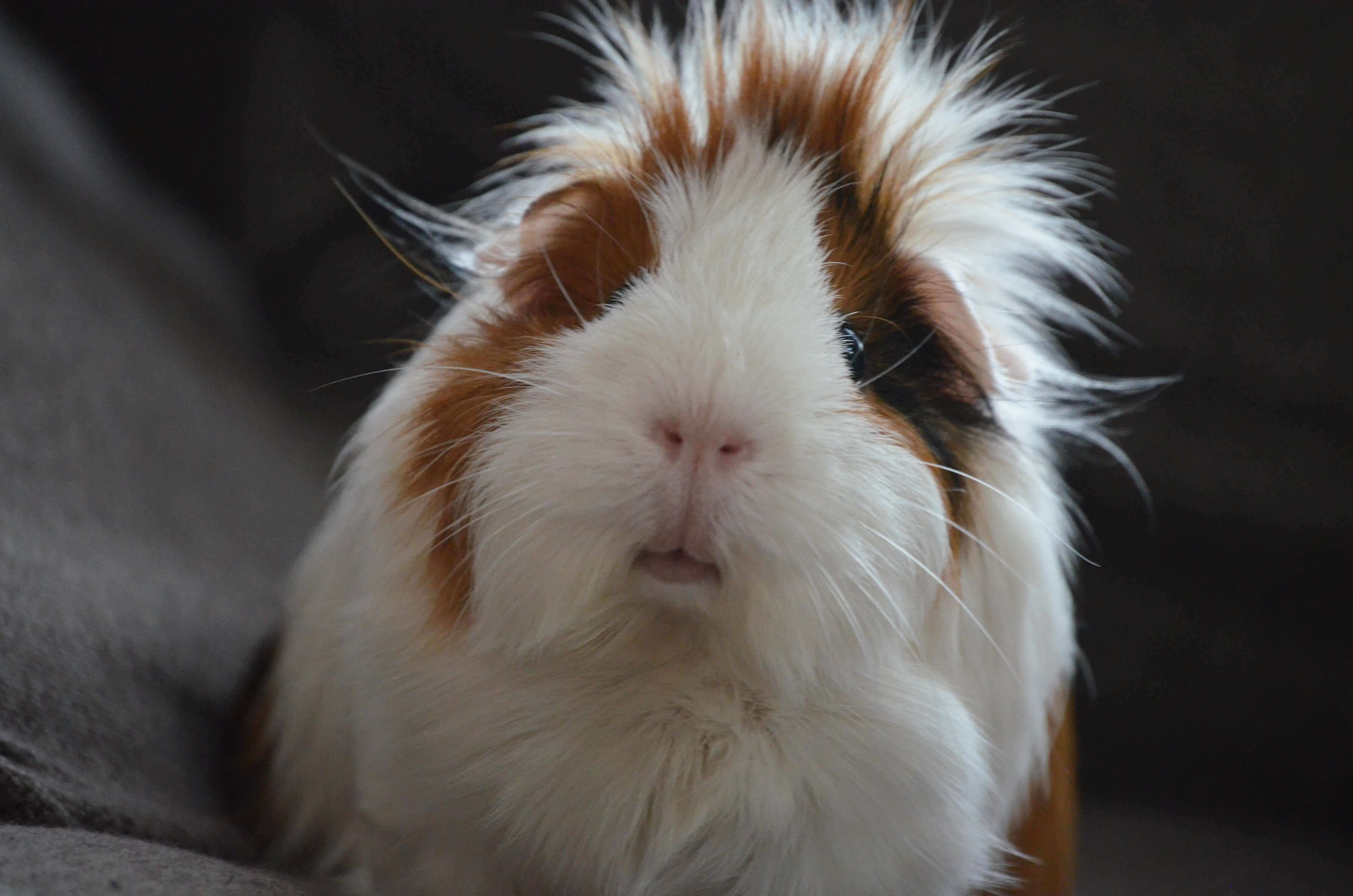
Guinea pigs, or cavies, are far more than just small pets; they are charismatic, vocal companions that bring immense joy to any household. Known for their delightful ‘wheeking’ when they sense treats and their unique purring when content, these social creatures have captured the hearts of pet owners worldwide. However, providing a happy life for a guinea pig requires more than just fresh hay and vegetables. As ground-dwelling animals with sensitive respiratory systems and delicate feet, the choice of bedding is perhaps the most critical decision in their habitat setup. Choosing the right substrate isn’t just about comfort—it is a fundamental pillar of their long-term health and hygiene. Whether you are a first-time owner adopting a same-gendered pair or a seasoned enthusiast, understanding the nuances of modern bedding options is essential for a clean, odor-free, and happy home.
The Science of Guinea Pig Bedding: Why It Matters
For a guinea pig, bedding serves multiple roles: it is their flooring, their bed, and their primary waste management system. Unlike many other small mammals, guinea pigs produce a significant amount of waste relative to their size. In 2024, veterinary experts emphasize that poor bedding choices are a leading cause of upper respiratory infections (URIs) and pododermatitis, commonly known as bumblefoot. Because guinea pigs spend nearly 100% of their time in contact with their bedding, the material must be soft enough to prevent foot sores while being absorbent enough to wick away moisture from their skin.
Furthermore, their sense of smell is highly developed. Ammonia buildup from urine can quickly become overwhelming in a small space, leading to lung irritation. Recent data from small animal health studies suggests that dust-free environments can reduce vet visits for respiratory distress by up to 30%. Therefore, the ‘best’ bedding is one that balances absorbency, dust suppression, and soft texture.
The Top Contenders: Paper vs. Fleece
1. High-Performance Paper Bedding
Natural paper bedding, such as the industry-leading carefresh natural paper bedding, remains the gold standard for many enthusiasts. Made from reclaimed wood fibers, this bedding is processed to be ultra-soft and significantly more absorbent than traditional shavings. In lab tests, high-quality paper bedding has been shown to absorb up to three times its weight in liquid. This high level of absorbency is crucial for suppressing odors, as it traps the moisture before it can release ammonia into the air.
- Pros: Superior odor control for up to 10 days, 99% dust-free, and fully biodegradable.
- Cons: Requires recurring purchases, making it more expensive over the long term than reusable options.
- 2024 Trend: Many owners are now opting for compostable paper bedding to reduce their environmental footprint, aligning with the 22% growth in sustainable pet product demand seen this year.
2. The Rise of Fleece Liners
Fleece has surged in popularity among the ‘cavy’ community. This method involves using custom-fitted fleece liners with an absorbent inner layer (like U-Haul pads or specialized bamboo inserts). The fleece acts as a stay-dry top layer, wicking moisture down into the absorbent core.
- Pros: Environmentally friendly, zero-waste, and cost-effective over a 12-month period. It also provides a very soft surface for pigs with sensitive feet.
- Cons: Requires daily ‘spot cleaning’ (sweeping up poop) and heavy-duty laundry sessions 1-2 times per week. It offers significantly less odor control than paper bedding if not maintained strictly.
Wood Beddings: The Good, The Bad, and The Dangerous
While wood shavings are a traditional choice, not all wood is created equal. Aspen is the only widely recommended wood bedding because it is hardwood and does not contain the toxic aromatic oils found in softwoods. Cedar and pine shavings should be strictly avoided. These softwoods contain phenols—aromatic hydrocarbons that give them their scent—which have been scientifically proven to cause liver damage and respiratory issues in small rodents.
If you prefer the look of wood, ensure it is kiln-dried aspen. However, even the best aspen lacks the softness and superior absorbency found in modern paper-based alternatives.
Case Study: Odor Control and Cleaning Cycles
A recent 2024 user trial compared two households: one using premium paper bedding and the other using fleece. The ‘Paper Group’ reported needing a full cage clean only once every 7 to 8 days, with minimal odor detection. The ‘Fleece Group’ enjoyed the aesthetic and cost savings but noted that odor became ‘noticeable’ by day 3 if the liners weren’t changed. For busy families, paper bedding often wins out due to the lower maintenance requirements and superior ammonia sequestration.
Expert Review: The 2024 Verdict
Based on current veterinary standards and owner feedback, the expert recommendation for 2024 is a hybrid approach or high-quality paper bedding. If you are looking for the absolute best for your pet’s health and your own convenience, a natural, dust-free paper bedding is unbeatable. It provides the safest respiratory environment and the most effective odor management. For those committed to a zero-waste lifestyle, fleece is a viable alternative, provided the owner is prepared for the intensive cleaning schedule required to keep ammonia levels safe.
Frequently Asked Questions (FAQ)
How often should I change my guinea pig’s bedding?
For paper bedding, a full change is usually required every 5 to 7 days, depending on the size of the cage and the number of inhabitants. For fleece, you must sweep up droppings daily and wash the liners every 3 to 4 days to maintain hygiene.
Is hay a good bedding material?
No. While guinea pigs need constant access to Timothy hay for eating, it makes a poor bedding. It is not absorbent and can become moldy quickly when wet. Use hay in a specific feeder or a ‘kitchen area,’ but rely on paper or fleece for the main flooring.
Can I use newspaper as bedding?
Newspaper is not recommended as a primary bedding. The ink can be messy, and the paper itself is not absorbent enough to prevent your guinea pig from sitting in its own waste, which leads to urine scald.
Is ‘scented’ bedding safe for guinea pigs?
No. Avoid any bedding that uses artificial scents or perfumes. A guinea pig’s respiratory system is highly sensitive, and these chemicals can cause chronic irritation and stress.
Why is my guinea pig sneezing on new bedding?
If your pet sneezes frequently, the bedding may be too dusty. Even brands labeled ‘99% dust-free’ can vary by batch. If sneezing persists, switch to a high-quality paper brand or fleece to see if symptoms improve.
Conclusion
Selecting the right bedding is one of the most impactful ways you can care for your guinea pigs. By choosing soft, absorbent, and dust-free materials like premium paper bedding, you are protecting your pets from painful foot conditions and dangerous respiratory infections. While the initial setup of a guinea pig habitat is an investment, the reward of watching your healthy, happy pets ‘popcorn’ and purr in a clean environment is well worth the effort. Remember, a clean cage isn’t just about a fresh-smelling home for you; it’s about a long, comfortable life for your furry companions.


