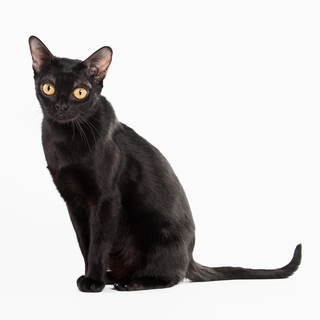
The Bombay cat is a mesmerizing sight, often described as a patent-leather kid with new copper-penny eyes. Originally bred to resemble the sleek, mysterious black panther of the jungle, this domesticated breed is anything but wild in temperament. In fact, the Bombay is renowned for its deeply affectionate nature, social intelligence, and distinct lack of independence compared to other feline breeds. Whether you are a first-time cat owner or a seasoned enthusiast, understanding the nuances of the Bombay—from its Kentucky roots to its specific health needs—is essential for providing a thriving environment. As we move into 2024, the demand for social, indoor-centric pets has skyrocketed, making the Bombay an increasingly popular choice for urban dwellers and families alike.
The Origin and History of the “Miniature Panther”
The story of the Bombay cat begins in the 1950s in Louisville, Kentucky. A dedicated breeder named Nikki Horner set out to create a cat that possessed the sleek, muscular build and deep black coat of a wild leopard but retained the gentle, companionable nature of a domestic house cat. After several attempts, she successfully crossed a black American Shorthair with a champion sable Burmese. The result was a breed that combined the sturdy, athletic frame of the American Shorthair with the affectionate, gregarious personality of the Burmese. While the breed faced early resistance from traditionalists, it was eventually recognized by the Cat Fanciers’ Association (CFA) in 1970 and the International Cat Association (TICA) shortly thereafter.
Today, the Bombay is categorized into two main branches: the American Bombay and the British Bombay. The American version is characterized by its copper or gold eyes, while the British version often features green eyes. Despite these regional variations, the breed remains rare, making it a prized companion for those lucky enough to find one. For owners looking to integrate this breed into a busy home, keeping a cat and Labrador puppy together is often successful due to the Bombay’s adaptable and outgoing nature.
Physical Characteristics: A Study in Jet Black
The Bombay is a medium-sized cat, typically weighing between 6 and 11 pounds. However, owners are often surprised by their weight when picking them up; they are remarkably muscular and “heavy for their size.” Unlike their lithe cousins, the Bombay has a proportionately larger head, a longer body, and a short muzzle that contributes to their distinctive profile. Their ears are medium-sized, set wide apart, and feature rounded tips.
The most striking feature of the Bombay is, undoubtedly, its coat. It is a short, single hair coat that lays very close to the body. In healthy individuals, the coat has a shimmering, satin-like gloss that reflects light with every movement. The color is strictly jet black, extending all the way down to the paw pads and nose leather. While kittens may occasionally show faint tabby markings, these usually fade as they reach maturity, leaving a solid, obsidian finish. Because they have very little undercoat, they are low-shedding and require minimal maintenance, though they still benefit from how to choose the right litter for your cat to ensure their bathroom habits remain as pristine as their fur.
The “Velcro Cat”: Behavior and Personality
If you are looking for a cat that will sit stoically in a corner, the Bombay is not for you. Often referred to as “Velcro cats,” Bombays crave human companionship and will often follow their owners from room to room. They are highly gregarious, calm, and friendly, making them excellent companions for children and other pets. They are known for being extremely “talkative,” though they usually possess a quiet, chirpy voice rather than a loud, demanding meow.
Intelligence is another hallmark of the breed. Many Bombay owners report that their cats can be trained to fetch, walk on a leash, or even perform simple tricks. Their active nature means they love to jump and climb, often seeking out the highest point in the room to survey their “kingdom.” Despite this energy, they are equally content to be lap cats, spending hours snuggling with their favorite humans. Their social needs are so high that they can become lonely if left alone for long periods, which is why they thrive in multi-pet households or homes where someone is frequently present.
Health and Wellness: Protecting Your Bombay
While generally healthy, the Bombay’s lineage—particularly its Burmese ancestry—can predispose it to certain genetic conditions. One common issue is hypertrophic cardiomyopathy (HCM), a form of heart disease that causes the heart walls to thicken. Regular veterinary checkups are crucial to monitor heart health. Additionally, due to their short muzzles, some Bombays may experience respiratory issues or excessive eye tearing.
Weight management is another critical area of concern. Because they are food-motivated and love to lounge in laps, they can easily become overweight. It is vital to implement strategies for supporting cat wellness, such as interactive play sessions and portion-controlled feeding. Statistics from 2023 indicate that nearly 60% of domestic cats are overweight, which can lead to diabetes and joint issues. Given the Bombay’s dense muscular structure, carrying extra weight can be particularly hard on their mobility as they age.
The Role of Pet Insurance
Considering the potential for hereditary conditions, many Bombay owners opt for pet insurance. Claims data from providers like Pets Best often highlight that early intervention for conditions like respiratory distress or dental disease can save owners thousands of dollars over the cat’s lifetime. Having a policy in place allows owners to focus on the best medical care rather than the cost of treatment, ensuring the Bombay remains a member of the family for its full 12 to 16-year lifespan.
Grooming and Maintenance Needs
One of the perks of owning a Bombay is their low-maintenance grooming schedule. Their short, single coat does not mat easily. A weekly brushing with a rubber curry brush is usually sufficient to remove loose hairs and distribute natural skin oils, which keeps their coat gleaming. Unlike some more temperamental breeds, Bombays often enjoy the sensation of being brushed, viewing it as another opportunity for social interaction.
In addition to coat care, regular dental hygiene is a must. Like many purebred cats, they can be prone to gingivitis. Starting a tooth-brushing routine early in kittenhood can prevent significant problems later. Nail trimming every few weeks and periodic ear cleanings will keep your “miniature panther” in peak condition.
Expert Verdict
The Bombay cat is a unique blend of exotic beauty and domestic devotion. For the owner who wants a deeply interactive relationship with their pet, the Bombay is a top-tier choice. They are adaptable, intelligent, and strikingly beautiful. However, they are not “low-effort” pets in terms of social requirements. They need stimulation, affection, and presence. If you can provide a home where they are treated as a central part of the family, the Bombay will reward you with unparalleled loyalty and a lifetime of sleek, black-velvet purrs.
Frequently Asked Questions (FAQ)
Are Bombay cats hypoallergenic?
No, Bombay cats are not hypoallergenic. While they have a short coat and shed less than many other breeds, they still produce the Fel d 1 protein in their saliva and skin oils, which is the primary cause of cat allergies.
How can I tell a Bombay apart from a regular black cat?
A Bombay is distinguished by its copper or gold eyes, rounded head, and extremely glossy, tight coat. Domestic black cats (DSH) usually have leaner builds, more pointed features, and a wider variety of eye colors, such as green or yellow.
Are Bombay cats vocal?
Yes, but they are generally quiet. They like to “chat” with their owners using soft chirps and purrs rather than the loud caterwauling associated with breeds like the Siamese.
Do they get along with dogs?
Absolutely. Bombays are famously gregarious and often take on a “leader” role in the household, even with dogs. Their confident and calm nature makes them one of the best feline breeds for multi-species homes.
Is the Bombay cat a rare breed?
Yes, the Bombay is considered a relatively rare breed. Finding a reputable breeder may take some time, and there is often a waiting list for kittens.
Conclusion
The Bombay cat is more than just a stunning aesthetic; it is a heart-centered companion that bridges the gap between the wild and the domestic. From their origins in Kentucky to their status as beloved family members worldwide, these cats continue to captivate everyone they meet. By understanding their social needs, maintaining their health through proactive care, and appreciating their unique personality, you can ensure your “miniature panther” lives a long, happy, and glossy life. For those ready to welcome a shadow that purrs into their home, the Bombay is truly in a league of its own.


