Traveling with a feline companion was once considered an arduous task reserved only for those relocating across the globe. However, as the bond between humans and their pets has deepened—and with the travel industry evolving to meet this demand—more cat owners are choosing to bring their furry friends along for the adventure. Whether you are moving to a new city or simply cannot imagine a vacation without your whiskered companion, navigating the skies requires meticulous planning and an expert touch. Statistics from the International Air Transport Association (IATA) suggest that millions of pets travel by air annually, and with the right preparation, your cat can join the ranks of frequent flyers without the typical feline anxiety. Transforming a potentially traumatic experience into a smooth journey is entirely possible if you approach the process with a blend of veterinary insight, logistical precision, and empathetic training.
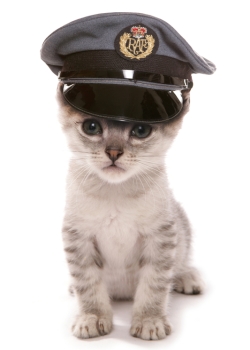
The first and most critical step in your journey is mastering airline pet policies. In 2024, most major carriers have refined their rules, often limiting the number of pets allowed in the cabin per flight. This makes early booking essential. Generally, cats are allowed to travel in the cabin if their carrier fits securely under the seat in front of you. However, weight limits and carrier dimensions vary significantly between airlines like Delta, United, and JetBlue. Fees for a one-way pet-in-cabin flight typically range from $95 to $150. It is vital to confirm these details at the moment of booking your own ticket, as most airlines do not allow you to add a pet online and require a phone call to secure a “pet reservation.” Before you finalize your plans, it is also a good idea to focus on strategies for supporting cat wellness to ensure your cat is physically prepared for the atmospheric changes and confinement of flight.
The Veterinary Protocol: Ensuring Flight Readiness
A visit to the veterinarian is non-negotiable. Most airlines—and many state or international laws—require a Certificate of Veterinary Inspection (CVI), often called a health certificate, issued within 10 days of travel. During this exam, your vet will ensure your cat is up to date on vaccinations, particularly rabies, and is free of infectious diseases. For international travel, the requirements become exponentially more complex, often requiring microchipping and specific blood tests like the FAVN (Fluorescent Antibody Virus Neutralization) test. Beyond the paperwork, discuss your cat’s temperament with your vet. While sedation used to be common, many experts now advise against it because it can interfere with a cat’s ability to regulate its body temperature and balance at high altitudes. Instead, look into pheromone sprays or mild calming supplements that don’t compromise respiratory function.
Mastering the TSA Security Checkpoint
One of the most stressful moments for any cat owner is the TSA screening process. Many travelers do not realize that you cannot simply send your cat through the X-ray machine inside the carrier. You will be required to remove your cat from the carrier and carry them through the metal detector while the carrier goes through the X-ray belt. To prevent a catastrophic escape in a busy airport, you should have your cat in a secure harness and leash. Practice this at home: put the harness on, place the cat in the carrier, walk around, and then practice taking them out and holding them firmly. This desensitization is crucial. If your cat is particularly skittish, you have the legal right to request a private screening room. This allows you to take the cat out of the carrier in an enclosed space, minimizing the risk of them bolting into the terminal.
The Essentials: Packing and Carrier Comfort
Choosing the right carrier is about more than just dimensions; it is about creating a mobile sanctuary. Soft-sided carriers are generally preferred for cabin travel because they are slightly more flexible when fitting under different airplane seats. Ensure the carrier has ample ventilation and a waterproof bottom. Inside, place a familiar-smelling blanket or one of your worn t-shirts to provide comfort. When it comes to logistics, you must also consider their waste needs. Since you cannot let your cat out during the flight, you should look into how to choose the right litter for travel purposes; many owners use absorbent puppy pads inside the carrier for easy cleanup, or small portable litter trays for long layovers. Remember that your cat carrier usually counts as your one allowed carry-on item, so plan your other luggage accordingly.
Special Considerations for Emotional Support and Service Animals
The legal landscape for traveling with pets changed significantly in 2021 when the U.S. Department of Transportation (DOT) updated its rules regarding Emotional Support Animals (ESAs). While many airlines no longer recognize ESAs as distinct from regular pets (meaning they must stay in carriers and pay fees), some specific protections and nuances still exist. If you are traveling for mental health reasons, it is important to understand tips for traveling with your ESA to avoid unexpected hurdles at the gate. Always carry copies of your documentation, even if the airline has it on file, to prevent boarding delays.
Expert Verdict: Is Your Cat Ready for Flight?
Based on current trends and veterinary recommendations, the consensus is that while most cats can handle air travel, it requires a “preparation-first” mindset. Success is 90% preparation and 10% execution. If your cat has underlying respiratory issues, such as those common in brachycephalic (flat-faced) breeds like Persians, extra caution is required, and some airlines may even restrict them from flying due to health risks. Always prioritize your cat’s safety over convenience. If you are flying with a healthy cat and follow a strict desensitization schedule, the experience can be managed with minimal stress for both parties.
Frequently Asked Questions
- Can I buy a seat for my cat? While you can sometimes buy an extra seat for more legroom, most airlines still require the cat to stay in their carrier under the seat in front of you for takeoff and landing.
- Should I feed my cat before the flight? It is generally recommended to withhold food for 4-6 hours before flying to prevent motion sickness and accidents, but always provide small amounts of water.
- What if my cat meows the whole time? This is a common fear. Using calming pheromones and covering the carrier with a light breathable cloth to block out visual stimuli can help soothe a vocal cat.
- Can I take my cat out of the carrier during the flight? No. For safety and the comfort of other passengers (who may have allergies), cats must remain in their zipped carriers at all times while on the aircraft.
- How do I handle a long layover? Look for “Pet Relief Areas” in airports. While these are often designed for dogs, they are usually gated rooms where you can let your cat out on a leash to stretch and use a portable litter box.
Conclusion
Flying with your cat doesn’t have to be a nightmare. By meticulously researching airline policies, preparing your cat through harness training and carrier acclimation, and consulting with your veterinarian, you can ensure a safe and relatively calm journey. The key is to remain the “calm alpha” for your pet; if you are stressed, they will be too. With a well-packed kit of feline essentials and a solid understanding of the security and boarding process, you and your cat will be ready to take to the skies with confidence. Safe travels to you and your feline co-pilot!


