If you have ever watched a normally dignified feline transform into a somersaulting, drooling, hyperactive mess of fur at the mere scent of a dried leaf, you have witnessed the whimsical magic of catnip. As a long-time pet enthusiast and blogger, I have seen my fair share of cat reactions—ranging from the high-speed ‘zoomies’ to what I affectionately call the ‘catnip coma.’ But beyond the hilarious YouTube videos and the adorable rolls on the carpet, catnip (Nepeta cataria) is a fascinating plant with deep biological roots and significant benefits for our feline companions. It is more than just a ‘legal high’ for cats; it is a powerful tool for environmental enrichment, behavioral management, and even stress relief when used correctly. Understanding how this herb interacts with your cat’s unique physiology can help you turn playtime into a truly therapeutic experience.
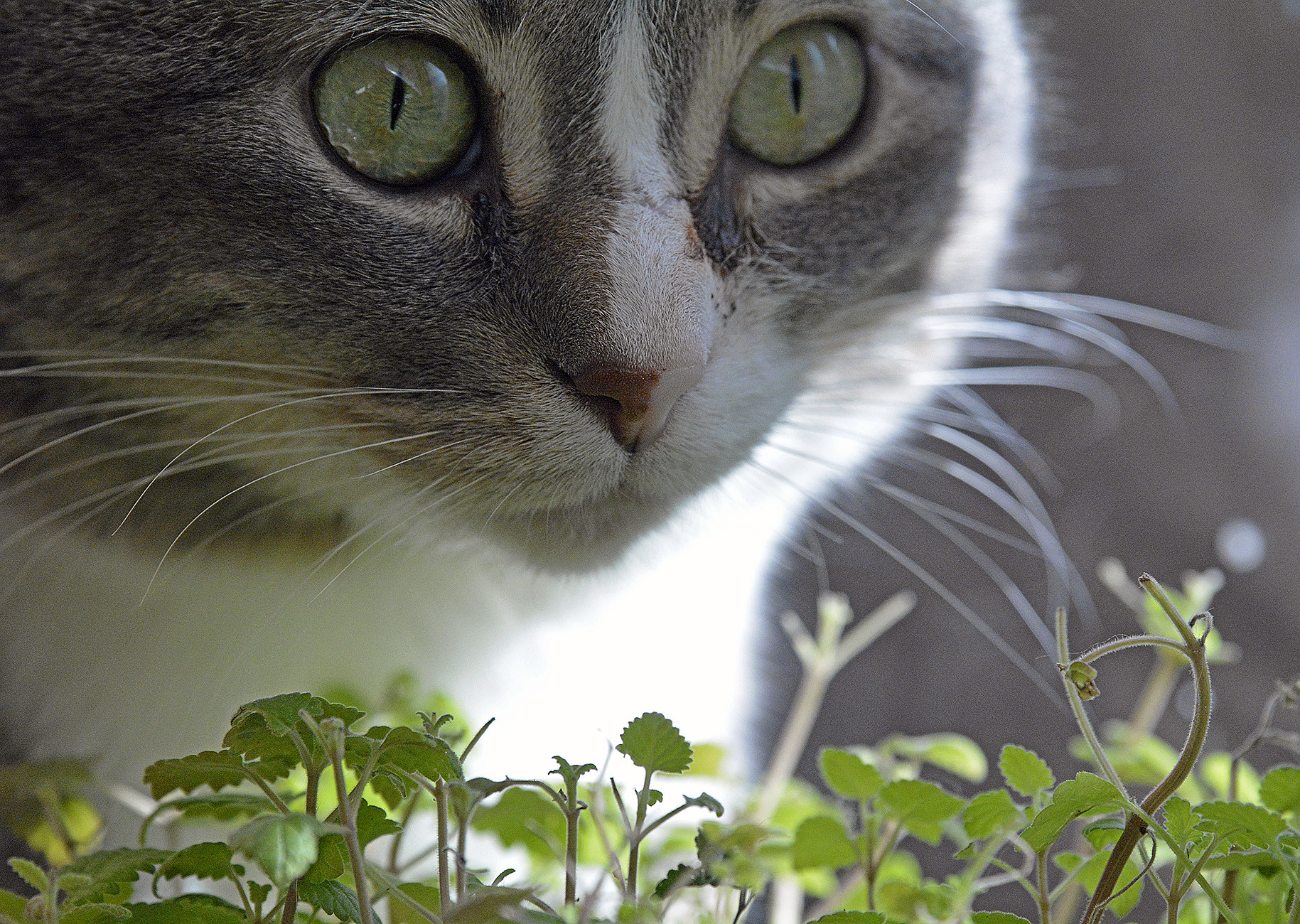
What Exactly Is Catnip? The Botanical Mystery
To understand the effect, we must first look at the plant. Catnip is a member of the Lamiaceae family, better known as the mint family. This explains its hardy nature and the square stems characteristic of mint plants. Formally known as Nepeta cataria, this perennial herb is native to Europe and Asia but has become a staple in gardens across North America because it is incredibly easy to grow. It can reach heights of up to three feet and produces small, lavender-flecked white flowers that bees absolutely adore.
The secret ingredient hidden within the leaves and stems of catnip is an essential oil called nepetalactone. This organic compound is the primary reason for the catnip ‘craze.’ Interestingly, in the wild, the plant likely evolved to produce nepetalactone as a defense mechanism to repel certain insects. While it keeps the bugs away, it has the exact opposite effect on most felines, acting as a powerful attractant that triggers a series of complex neurological responses.
The Science of the ‘High’: How Nepetalactone Works
When your cat sniffs catnip, the nepetalactone molecules bind to protein receptors within their vomeronasal organ (also known as Jacobson’s organ), located in the roof of the mouth. This sends signals to the olfactory bulb, which then projects to various parts of the brain, including the amygdala (the emotional center) and the hypothalamus (which controls behavioral responses). Essentially, the plant mimics the effect of a feline pheromone, tricking the brain into a state of intense euphoria or excitement.
It is important to note that the method of exposure changes the result. If a cat smells catnip, it typically acts as a stimulant. You will see them rubbing their cheeks on it, rolling, and leaping. However, if a cat ingests (eats) the herb, it often has the opposite effect, acting as a mild sedative. This dual nature makes it an incredibly versatile tool for pet owners. If you want to learn more about how to keep your cat mentally sharp, check out our guide on mealtime enrichment for cats to see how scent and food interact.
The Behavioral Spectrum: Why Some Cats Go Wild (and Others Don’t)
As any seasoned cat owner knows, no two cats are exactly alike. Dr. Lori Teller from the Texas A&M College of Veterinary Medicine points out that catnip typically makes cats ‘high’ for about 15 to 30 minutes. During this window, you might see a wide range of behaviors:
- Hyperactivity: Darting across the room, chasing invisible prey, or jumping on furniture.
- Affection: Excessive purring, rubbing against humans, and rolling on the floor.
- Vocalization: Increased meowing or strange chirping noises.
- The ‘Zen’ Mode: Some cats simply sit and stare into space, appearing deeply relaxed.
However, you might be surprised to find that your cat doesn’t react at all. Research suggests that approximately one-third of cats are genetically immune to the effects of catnip. The response is an autosomal dominant trait, meaning if a cat didn’t inherit the ‘catnip gene,’ they will simply sniff the plant and walk away as if it were common grass. Additionally, kittens usually don’t develop a sensitivity to catnip until they are between three and six months old, and very senior cats may lose interest over time. Understanding these traits is one of the many 7 great reasons why cats make the best pets, as their unique personalities and genetic quirks make every day an adventure.
Practical Uses: Using Catnip for Enrichment
Catnip isn’t just for entertainment; it can be a practical aid in cat ownership. If you are struggling with a cat that is scratching your expensive velvet sofa, try sprinkling dried catnip on a high-quality scratching post. The scent will draw them to the appropriate surface, creating a positive association with the post instead of the furniture. This is an excellent way to direct their natural instincts without using punishment.
You can also use catnip to encourage activity in overweight cats. By hiding catnip-stuffed toys around the house, you create a ‘scavenger hunt’ that forces them to move, climb, and play. For shy or anxious cats, introducing catnip in a new environment (like a carrier or a new room) can help them feel more comfortable by inducing a state of relaxation or happy distraction. It is even useful for managing the environment around litter boxes if you need to gently encourage a cat to visit a specific area of the house.
Growing Your Own Catnip: A Green Thumb Guide
While store-bought catnip is convenient, growing your own is far more rewarding and often more potent. Because it is a member of the mint family, it is notoriously hardy. Here are a few tips for the aspiring feline gardener:
- Sunlight: Catnip loves full sun but can tolerate partial shade.
- Soil: It prefers well-drained soil. Over-watering can lead to root rot.
- Indoor vs. Outdoor: If you plant it outside, be prepared for every cat in the neighborhood to visit your garden! If you grow it indoors, keep it in a sturdy pot that your cat cannot easily knock over.
- Harvesting: To dry it, hang bunches of the plant upside down in a dark, well-ventilated area. Once crisp, crumble the leaves and store them in an airtight container to preserve the nepetalactone oils.
Safety First: Can a Cat Overdose on Catnip?
The short answer is no, a cat cannot overdose on catnip in a way that is life-threatening. However, there is such a thing as ‘too much of a good thing.’ If a cat consumes a large amount of fresh catnip, they may experience nausea, vomiting, or diarrhea. If you notice your cat becoming ill after a session, remove the source immediately and give them time to recover.
Another concern is habituation. If you leave catnip out all the time, your cat may become desensitized to it. The receptors in the brain eventually stop responding to the stimulus if it is constant. To keep the magic alive, it is best to offer catnip as an occasional treat—perhaps once or twice a week—rather than a daily occurrence.
People Also Ask (PAA)
Is catnip a drug?
While it has psychoactive effects on cats, it is not a drug in the human sense. It is a natural herb that interacts with feline pheromone receptors. It is non-addictive and perfectly safe for most cats when used in moderation.
Can humans get high on catnip?
No. Humans lack the specific receptors in the brain that react to nepetalactone in this way. In humans, catnip tea was historically used as a mild sedative or digestive aid, but it won’t make you feel ‘trippy.’
What should I do if my cat gets aggressive on catnip?
A small percentage of cats (particularly males) may become hyper-aggressive or territorial when exposed to catnip. If your cat starts hissing or biting during a session, catnip may not be the right enrichment tool for them. Silver vine or Valerian root are great alternatives.
Can kittens have catnip?
They can, but it usually won’t do anything. Most kittens don’t react to catnip until they reach sexual maturity or are at least 3-6 months old. It isn’t harmful, just ineffective for the very young.
Expert Verdict & Conclusion
Catnip remains one of the most cost-effective and natural ways to improve your cat’s quality of life. From providing a burst of exercise for a lazy house cat to helping a rescue kitty settle into a new home, the benefits are clear. Just remember to use it strategically: keep it fresh, don’t overdo the frequency, and always observe your cat’s individual reaction. Whether you are buying fancy organic buds or growing a bush in your backyard, you are providing your pet with a sensory experience that honors their wild ancestry. So go ahead, sprinkle a little ‘magic green dust’ on that scratching post today and enjoy the show!


