In an era where sustainability has moved from a niche interest to a global imperative, our four-legged companions are the next frontier in the green revolution. For years, the environmental impact of pet ownership remained a quiet footnote in the broader climate conversation. However, as we move through 2024, the data is becoming impossible to ignore. Traditional pet care practices—ranging from the plastic-laden aisles of pet stores to the staggering volume of non-biodegradable waste—contribute significantly to our individual carbon footprints. For the conscious pet owner, the transition to zero-waste pet care isn’t just about saving the planet; it is about fostering a healthier, more intentional lifestyle for our pets. By rethinking how we feed, clean, and entertain our animals, we can dramatically reduce our ecological impact while potentially improving their longevity and well-being.
Understanding the Environmental Footprint of Our Pets
To appreciate the necessity of zero-waste pet care, we must first look at the numbers. Recent studies indicate that pet waste alone accounts for approximately 8% to 12% of all residential waste in the United States. With over 90 million dogs and cats combined in American households, the sheer volume of plastic poop bags and clay-based litters entering landfills is astronomical. Furthermore, the global pet food industry is estimated to produce carbon emissions equivalent to 64 million tons of CO2 annually—roughly the same impact as driving 13 million cars for a year. Zero-waste pet care is the holistic philosophy of minimizing this output through circular consumption, upcycling, and the elimination of single-use plastics.
1. The Shift to Sustainable Nutrition
Diet is perhaps the most significant area where pet owners can effect change. The carbon footprint of meat-heavy pet diets is a primary driver of the industry’s environmental impact. Moving toward zero-waste nutrition involves several strategies:
The Rise of Insect Protein and Upcycled Ingredients
A major trend in 2024 is the adoption of insect-based proteins, such as black soldier fly larvae. These proteins require a fraction of the land and water needed for beef or poultry and produce significantly fewer greenhouse gases. Additionally, many premium brands are now utilizing “upcycled” ingredients—nutritious food components that would otherwise be discarded by the human food industry—to create zero-waste treats.
Homemade Pet Food: Total Control, Zero Packaging
Making your pet’s food at home is the gold standard for waste reduction. By sourcing fresh, local ingredients from farmers’ markets, you eliminate the massive amount of multi-layer plastic and foil packaging found in commercial kibble. However, it is vital to work with a veterinary nutritionist to ensure the meals are balanced. A popular approach is “batch cooking” or meal prepping, where owners use reusable silicone bags or glass containers to store a week’s worth of fresh meals.
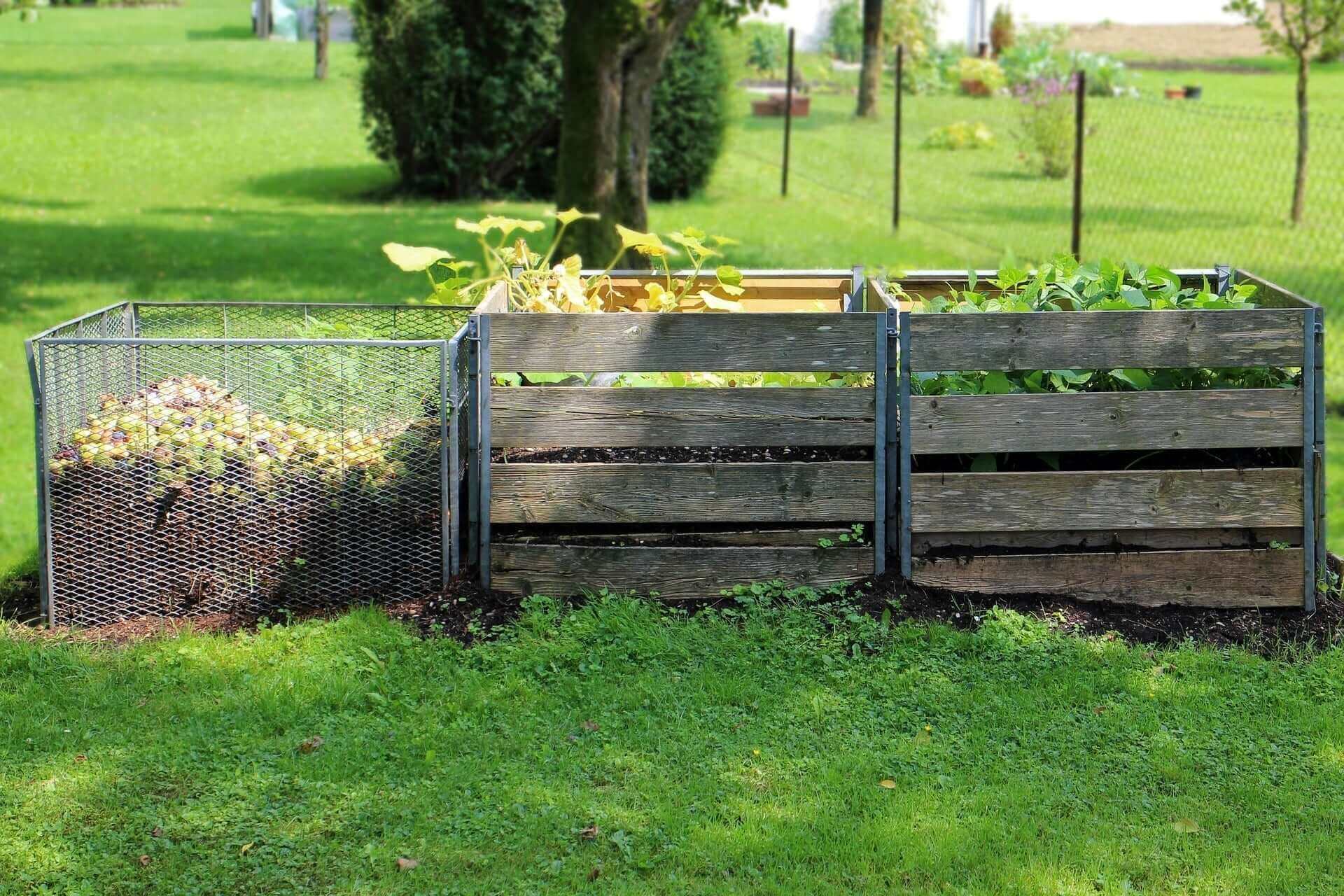
2. Composting: Solving the Pet Waste Crisis
The traditional method of scooping waste into a plastic bag and tossing it in the trash is the antithesis of sustainability. Composting offers a circular solution, but it must be done with scientific precision.
For dog owners, a dedicated in-ground pet waste digester (like the Doggie Dooley) acts as a mini-septic system, using enzymes to break down waste safely into the soil. It is crucial to remember that pet waste compost should never be used on edible gardens due to the risk of pathogens like E. coli or roundworms. For cat owners, the challenge is greater due to Toxoplasma gondii. While many brands market “flushable” litter, environmental experts generally advise against it, as water treatment plants are often unequipped to kill these specific parasites. The best zero-waste route for feline waste is utilizing professional composting services that can reach the high temperatures necessary for sterilization.
3. Eco-Friendly Accessories and the ‘Buy It For Life’ Philosophy
The pet toy industry is dominated by cheap, squeaky plastics that are designed to be destroyed and discarded. A zero-waste approach prioritizes durability and natural materials. Look for toys made from 100% natural rubber, hemp, or organic cotton. These materials are not only biodegradable but are often safer for your pet to chew on than synthetic plastics containing phthalates.
Upcycling is another powerful tool. An old denim pair of jeans can be braided into a heavy-duty tug toy, and worn-out fleece blankets can be cut and tied into “snuffle mats” for mental stimulation. When it comes to bedding, seek out manufacturers that use recycled PET fiber (made from recycled water bottles) or high-quality wool, which offers natural antimicrobial properties and lasts for years.
4. Advanced Waste Management: Beyond the Bag
If you must use bags, the distinction between “biodegradable” and “compostable” is critical. Many bags labeled as biodegradable merely break down into microplastics. Look for the BPI (Biodegradable Products Institute) certification, which ensures the product will fully break down in an industrial composting environment. For cat litter, avoid strip-mined bentonite clay. Instead, opt for secondary agricultural products like walnut shells, corn cobs, or recycled newspaper. These options are often dust-free and offer superior odor control without the environmental destruction of mining.
5. Green Grooming: Clean Pet, Clean Planet
The grooming industry is catching up to the zero-waste movement with the introduction of shampoo bars. By eliminating the plastic bottle, these bars significantly reduce carbon emissions from transport (as they are lighter and more compact). When selecting grooming products, prioritize ingredients like organic aloe vera, coconut oil, and oatmeal, and avoid synthetic fragrances or sulfates that can wash into our waterways and harm aquatic life.
Expert Review & Verdict
Industry experts agree that while the transition to a 100% zero-waste pet lifestyle is challenging, the “80/20 rule” applies perfectly here. By changing just a few high-impact habits—such as switching to bulk-purchased food and using compostable waste bags—pet owners can reduce their pet-related waste by upwards of 70%. The Verdict: Zero-waste pet care is no longer a luxury; it is an attainable and necessary evolution of responsible pet ownership. The initial investment in durable goods and the time spent on DIY solutions are quickly offset by long-term savings and the peace of mind that your furry friend is leaving a pawprint, not a carbon footprint.
Frequently Asked Questions (FAQ)
- Is it safe to compost cat litter? Generally, no. Because of the risk of toxoplasmosis, cat waste should not be composted at home. Look for specialized industrial facilities that accept pet waste.
- Are biodegradable bags better than plastic? Only if they are certified compostable. Standard “biodegradable” bags often just fragment into smaller pieces of plastic.
- How can I reduce waste if I live in an apartment? Focus on bulk buying, using shampoo bars, and choosing durable, plastic-free toys. You can also look for community pet waste composting programs.
- Is homemade pet food more expensive? It can be, depending on the ingredients, but buying in bulk and using seasonal produce often makes it comparable to high-end commercial raw diets.
- Can I use wood shavings as cat litter? Yes! Pine or cedar shavings (if kiln-dried to remove oils) are excellent, biodegradable alternatives to clay.
Conclusion
Embracing a zero-waste pet care routine is a journey of a thousand small steps. Whether it’s choosing a bamboo brush over a plastic one or starting a pet waste digester in your backyard, every action contributes to a larger cultural shift. As the pet industry continues to innovate with sustainable materials and transparent supply chains, it has never been easier to align our love for our animals with our love for the earth. Start today by making one simple switch, and watch how your pet’s lifestyle becomes a beacon of sustainability.


