Often referred to as the “King of Toys,” the Miniature Pinscher, or “Min Pin,” is a breed that packs a massive personality into a compact, sleek frame. Despite their small stature, these dogs possess the confidence and fearlessness of a much larger canine. They are not simply a “miniature” version of the Doberman Pinscher; in fact, the Min Pin is a distinct and much older breed. For potential owners looking for a high-energy, intelligent, and fiercely loyal companion, the Miniature Pinscher offers an experience unlike any other. However, their spirited nature requires a dedicated owner who understands their unique needs for stimulation and structure. Whether they are performing their famous “hackney action” gait or keeping a watchful eye on the household, the Miniature Pinscher is a dog that demands—and deserves—center stage.
Physical Characteristics and Breed Standards
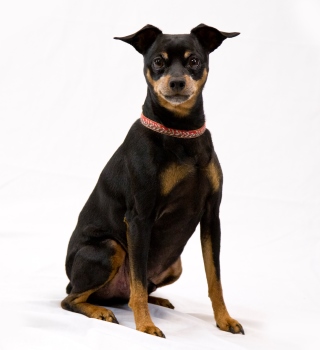
The Miniature Pinscher is the epitome of a well-balanced, sturdy toy dog. According to breed standards, they typically stand between 10 to 12.5 inches at the shoulder and weigh a modest 8 to 10 pounds. Their physical appearance is characterized by a sleek, wedge-shaped head and a muscular body that hints at their high energy levels. One of their most distinguishing features is their coat—short, smooth, and incredibly glossy, requiring minimal grooming but providing little protection against extreme cold.
Color variations are quite specific in this breed. While many recognize the classic black and tan, the Miniature Pinscher also comes in solid red, stag red (red hairs intermingled with black), and chocolate with rust markings. Their ears can be either cropped or left natural, and their tails are typically docked in regions where the practice is permitted. Their movement is perhaps their most famous trait; the “hackney-like” action is a high-stepping gait that resembles a small horse, giving them an air of aristocratic elegance as they trot across a room.
Temperament: A Big Dog in a Small Package
If you are looking for a quiet lap dog, the Miniature Pinscher might not be the right choice. These dogs are high-spirited, curious, and perpetually active. The term “pinscher” essentially translates to biter or terrier, reflecting their heritage as hunters of vermin. This background contributes to their reputation for being somewhat snappy or assertive if they are not properly socialized from a young age. They are natural guard dogs with a moderate to high tendency to bark at any perceived intruder, making them excellent, albeit vocal, watchdogs.
They are incredibly smart, which leads to high trainability, but this intelligence comes with a streak of independence. A Min Pin is often an escape artist, capable of finding the smallest gap in a fence or figuring out how to unlatch a crate. Their curiosity knows no bounds, and they are notoriously untrustworthy off-leash, as a passing squirrel or a distant sound will trigger their hunting instinct instantly. Despite their independent streak, they are deeply affectionate with their immediate family, often forming a particularly strong bond with one specific person.
Exercise and Mental Stimulation Needs
The energy level of a Miniature Pinscher is categorized as “very high.” They are not the type of dog to lounge around all day; they require significant physical activity and mental challenges to remain healthy and happy. Without a proper outlet for their energy, they can become destructive or develop obsessive barking habits. Owners should aim for at least 45 to 60 minutes of active play or walking per day.
Mental stimulation is just as vital as physical exercise. Because they are so intelligent, they thrive on puzzles, obedience training, and interactive games. If you are struggling to keep your Min Pin occupied, you might want to learn how to provide your dog with mental stimulation through specialized toys and indoor activities. Engaging their brain helps curb their “snappy” tendencies and ensures they are too tired to plot their next escape from the backyard.
Health and Longevity in the Miniature Pinscher
With a life expectancy of 13 to 14 years, the Miniature Pinscher is generally a hardy breed. However, like all purebred dogs, they are susceptible to certain genetic conditions. According to veterinary data and insurance claim trends through 2024, common issues include Patellar Luxation (dislocation of the kneecap), Legg-Calve-Perthes disease (a hip joint condition), and certain eye problems like Progressive Retinal Atrophy.
Prospective owners should also be aware of general puppy health. It is wise to familiarize yourself with 20 common puppy diseases and illnesses to ensure your Min Pin gets the best start in life. Regular veterinary check-ups and a high-quality diet are essential for maintaining their lean muscle mass and preventing obesity, which can put undue stress on their small joints. Given their thin coats, they are also prone to skin irritations and should be protected with sweaters during the winter months.
Training the “King of Toys”
Training a Miniature Pinscher requires patience, consistency, and a firm but gentle hand. They respond best to positive reinforcement and food-based rewards. Because they can be stubborn, early socialization is critical to prevent them from becoming overly aggressive with other dogs or wary of strangers. A well-trained Min Pin is a joy to behold, capable of learning complex tricks and excelling in agility trials.
Housebreaking can sometimes be a challenge with this breed, as their small bladders and independent nature can lead to occasional accidents if a strict schedule isn’t followed. Crate training is highly recommended, not just for housebreaking but to keep these inquisitive dogs safe when they cannot be supervised. If you are still in the process of choosing your companion, you may want to consider finding the perfect pup through reputable breeders or rescue organizations specializing in the breed.
Expert Review and Verdict
The Miniature Pinscher is an extraordinary breed for the right owner. They are vibrant, courageous, and endlessly entertaining. However, they are not recommended for first-time dog owners or families with very young children who may not understand how to handle a small, sensitive dog. Their tendency to be “snappy” when startled or handled roughly makes them better suited for households with older children or adults. For the active individual who wants a “big dog” personality in a portable size, the Min Pin is a top-tier choice. They require commitment, but the loyalty they return is boundless.
Frequently Asked Questions (FAQ)
Are Miniature Pinschers good with other pets?
They can be, but it depends heavily on socialization. Their high prey drive may make them prone to chasing smaller animals like hamsters or birds. They usually get along with other dogs if introduced early, though they may try to “boss around” dogs much larger than themselves.
Do Miniature Pinschers bark a lot?
Yes, they are known to be vocal. They use their bark to alert their owners to anything unusual. While this makes them great watchdogs, they may need training to ensure the barking doesn’t become excessive.
Are they related to Doberman Pinschers?
While they look like tiny Dobermans, they are a separate breed. The Miniature Pinscher was developed in Germany to hunt rats and actually predates the Doberman by several hundred years.
How do I stop my Min Pin from escaping?
Secure your yard with a fence that has no gaps and is high enough that they cannot jump over. Always use a harness instead of a collar when walking, as they are prone to slipping out of traditional collars due to their narrow heads.
What is the “Hackney Action”?
The Hackney action is the high-stepping, rhythmic gait of the Miniature Pinscher. It is a prized breed trait where the dog lifts its front legs high and forward, similar to a Hackney horse.
Conclusion
The Miniature Pinscher is a bold, energetic, and intelligent dog that thrives on attention and activity. While they may be small in size, their presence is undeniable. From their origins as efficient vermin hunters to their modern status as beloved companions and show dogs, the Min Pin remains a unique fixture in the canine world. By providing them with the necessary training, exercise, and love, you will find that the “King of Toys” is a loyal protector and a spirited friend for life.


