There is a specific kind of silence that every pet owner dreads—the silence of a food bowl that hasn’t been touched in days. Whether you are caring for a high-strung African Grey, a majestic Maine Coon, or a loyal Labrador, seeing your companion refuse food is one of the most stressful experiences you can face. We often equate food with love and health; when our pets stop eating, it feels like they are giving up. However, as someone who has navigated the ups and downs of exotic and domestic pet care for decades, I can tell you that a loss of appetite isn’t an ending. Sometimes, it is simply a signal that your pet needs a little extra help to bridge the gap toward recovery. This is where medical intervention, specifically the use of feeding tubes, becomes a literal lifeline. While the idea of a tube might seem invasive or even frightening, it is often the single most effective tool in a veterinarian’s arsenal for reducing stress and ensuring a positive clinical outcome.
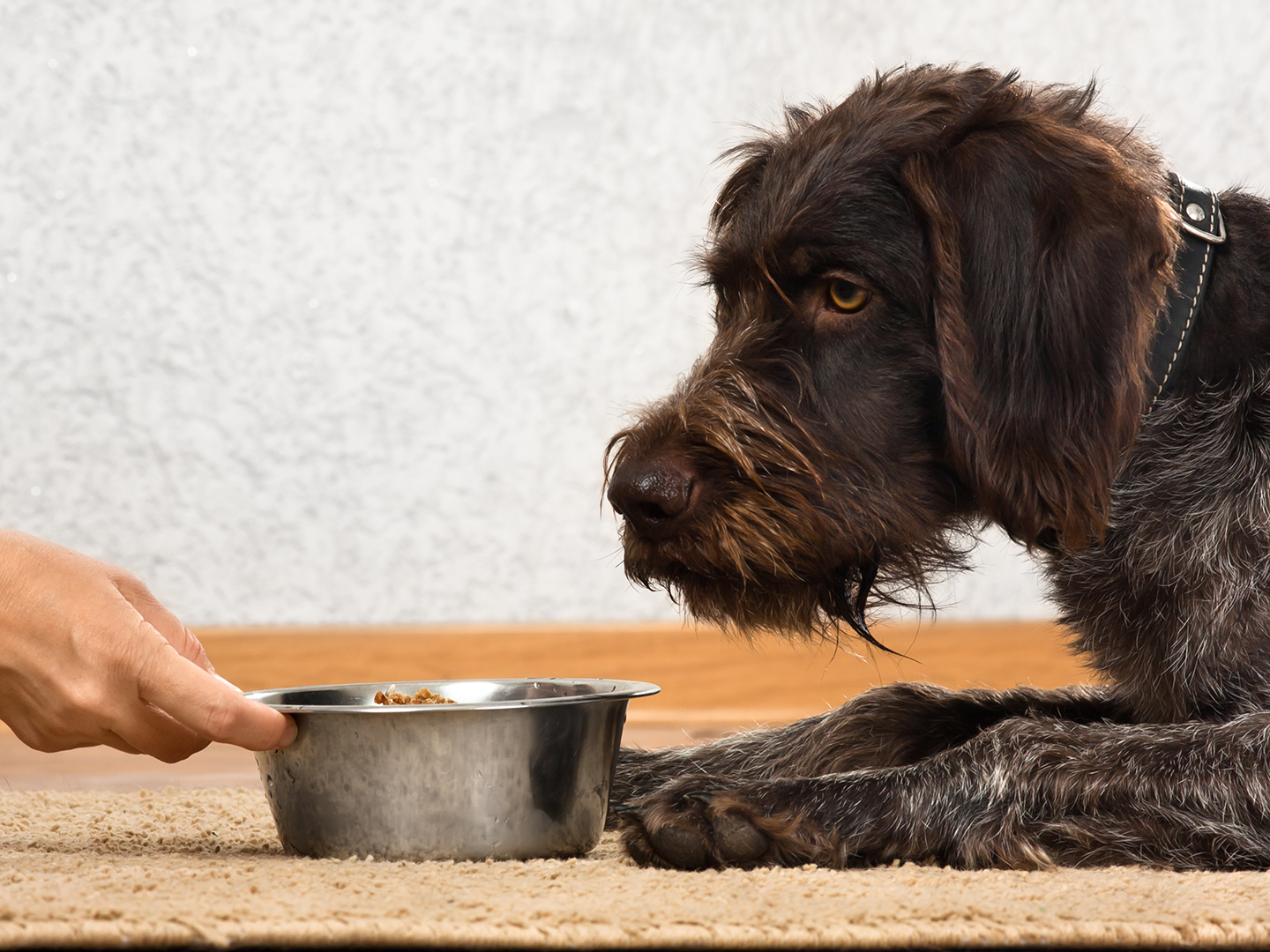
A pet feeding tube is a soft, flexible tube used to deliver nutrients, hydration, and medication directly into the digestive tract. They are recommended when a pet has been anorexic—meaning they have not eaten—for more than three days, or if they are unable to take in enough calories to support healing. In the world of veterinary medicine, we often see this necessity arise during battles with navigating pancreatitis in dogs, feline hepatic lipidosis, or even severe respiratory infections in exotic birds. The goal of a feeding tube is not to replace natural eating forever, but to take the pressure off both the pet and the owner. When you stop having to force-feed or ‘pill’ a sick animal, the bond between you can focus on comfort and healing rather than the battle of the bowl.
The Critical ‘Why’: When Is a Feeding Tube Necessary?
In the wild, an animal that doesn’t eat is an animal that doesn’t survive. In our homes, we have the luxury of modern medicine to intervene. Feeding tubes are generally suggested if a pet has lost a significant percentage of their body weight or if they are facing a long recovery period where their voluntary intake will be insufficient. For instance, cats are particularly sensitive to even short periods of fasting; their livers can quickly become overwhelmed by fat processing, leading to a dangerous condition called fatty liver disease. Dogs may need support during recovery from major surgeries or while managing chronic conditions like kidney disease. Even in the exotic world, we use specialized gavage or temporary tubes for reptiles and birds that have stopped thriving. The tube provides a predictable, consistent way to ensure the body has the fuel it needs to repair tissues and fight infection.
Understanding the Types: NE, E, and G Tubes
Not all feeding tubes are created equal. The type your veterinarian recommends will depend on your pet’s specific diagnosis, the expected duration of use, and their overall temperament. Nasoesophageal (NE) tubes are the most temporary. These are thin tubes passed through the nostril and down into the esophagus. They are typically used in a hospital setting for a few days because they are easily dislodged and can be uncomfortable for long-term use. They are great for a quick boost but aren’t a long-term solution for home care.
For owners who will be managing care at home, Esophagostomy (E) tubes are the gold standard. These are placed into the esophagus through a small, surgical incision on the side of the neck while the pet is under a short bout of anesthesia. They are comfortable, easy to hide under a stylish ‘Kitty Collar’ or wrap, and can stay in place for weeks or months. Finally, there are Gastrostomy (G) tubes, which go directly into the stomach through the abdominal wall. These are used for long-term chronic conditions, such as inflammatory bowel disease in cats or esophageal disorders. G-tubes must stay in for at least two to three weeks to allow a proper stoma (opening) to form, ensuring the site is sealed and safe.
Mastering the Art of Home Feeding
Once you bring your pet home with a tube, the first few feedings can feel intimidating. My best advice? Take a deep breath. Your pet can sense your anxiety, and a calm environment is crucial for a successful feeding session. You will typically be using a high-calorie, prescription liquid diet or a canned food that has been blended to a smooth, slurry-like consistency. When preparing the food, it is vital to learn how to properly store wet pet food to ensure that every meal is fresh and free from bacteria, as the tube bypasses some of the mouth’s natural defenses.
Always feed at room temperature. Cold food straight from the fridge can cause stomach cramping and vomiting, while microwaved food can have ‘hot spots’ that cause internal burns. A warm water bath is the safest way to take the chill off. Before you start, check the tube’s placement as instructed by your vet and flush it with a small amount of lukewarm water to ensure it’s clear. Inject the food slowly—aim for a 20 to 30-minute window for a full meal. Pushing food too fast can lead to nausea. Keep a close eye on your pet for ‘warning signs’ of discomfort: excessive licking of the lips, drooling, or gagging. If you see these, stop for a few minutes and resume at an even slower pace.
Hygiene and Site Maintenance
The area where the tube enters the skin, known as the stoma site, requires daily attention. You should check for redness, swelling, or any unusual discharge. A small amount of clear or slightly crusty fluid is often normal, but anything that looks like pus or smells foul warrants a call to the clinic. Cleaning the area gently with sterile gauze and a veterinarian-approved antiseptic is usually all it takes. To prevent your pet from scratching at the tube, many owners utilize ‘E-tube collars’ or even baby onesies for dogs and cats. These not only protect the site but also keep the tube tucked away so it doesn’t snag on furniture during their daily adventures.
People Also Ask: Common Concerns About Feeding Tubes
Is the tube painful for my pet? Most pets tolerate feeding tubes remarkably well. Once the initial incision has healed, the tube itself doesn’t cause pain. In fact, many pets become much more comfortable once they aren’t being forced to eat or swallow large pills. Can my pet still eat and drink naturally? Absolutely! Having a tube doesn’t prevent a pet from using their mouth. In many cases, once the pressure of ‘having’ to eat is removed and their nutritional needs are met, pets actually start showing interest in their food bowl again. How long does the tube stay in? The general rule of thumb is that the tube remains until the pet has been eating their full daily caloric requirement on their own for at least seven consecutive days. Removing it too early can lead to a relapse.
The Expert Verdict: A Tool for Recovery, Not a Sign of the End
In my years of experience, I have seen feeding tubes turn the tide for pets that seemed to be at death’s door. It is important to view the tube not as a ‘scary medical device,’ but as a support system. It allows you to deliver vital medications—which are often bitter or cause nausea when given orally—directly into the digestive tract without the ‘pilling’ struggle. It ensures hydration for animals with kidney issues and provides the dense calories needed for cancer recovery. While the learning curve for owners exists, it is a skill that becomes second nature within just a few days. The control it gives you back over your pet’s health is invaluable.
Key Takeaways for a Smooth Recovery
- Stay Consistent: Follow the feeding schedule provided by your vet strictly to maintain stable blood sugar and energy levels.
- Hydration is Key: Use the tube to provide the extra water your pet needs, especially if they are suffering from renal issues.
- Slow and Steady: Never rush a feeding. The 20-minute rule helps prevent regurgitation and nausea.
- Positive Reinforcement: Always follow a feeding with praise, head scratches, or a favorite non-food activity to keep the experience positive.
- Monitor the Site: A daily 30-second inspection of the tube site can prevent minor irritations from becoming infections.
Ultimately, a feeding tube is a bridge to better days. It provides the nutritional foundation upon which all other medical treatments are built. If your veterinarian suggests one, take it as a sign of hope—it means there is a path forward, and you have the power to help your pet walk it. With patience, hygiene, and a lot of love, you will find that managing a feeding tube is just another way you are showing your pet how much they mean to you.


