A cat views a room through a lens we rarely use. While we glance around and see mid-century sofas, coffee tables, and the laundry we tossed onto a chair last night, a cat sees a complex tactical map. To them, your living room is a network of high-speed pathways, strategic lookout points, hidden safe spots, and potential ambush zones. They scan for thermal warmth, height advantage, and multiple escape routes before they even think about grooming. They are the ultimate interior architects, tracking every floorboard creak and air current long before they settle into a nap. Understanding this feline perspective is the key to creating a harmonious home without the need for expensive renovations or structural changes. By smoothing the edges of daily life and acknowledging their primal instincts, you can transform your living space into a shared sanctuary.
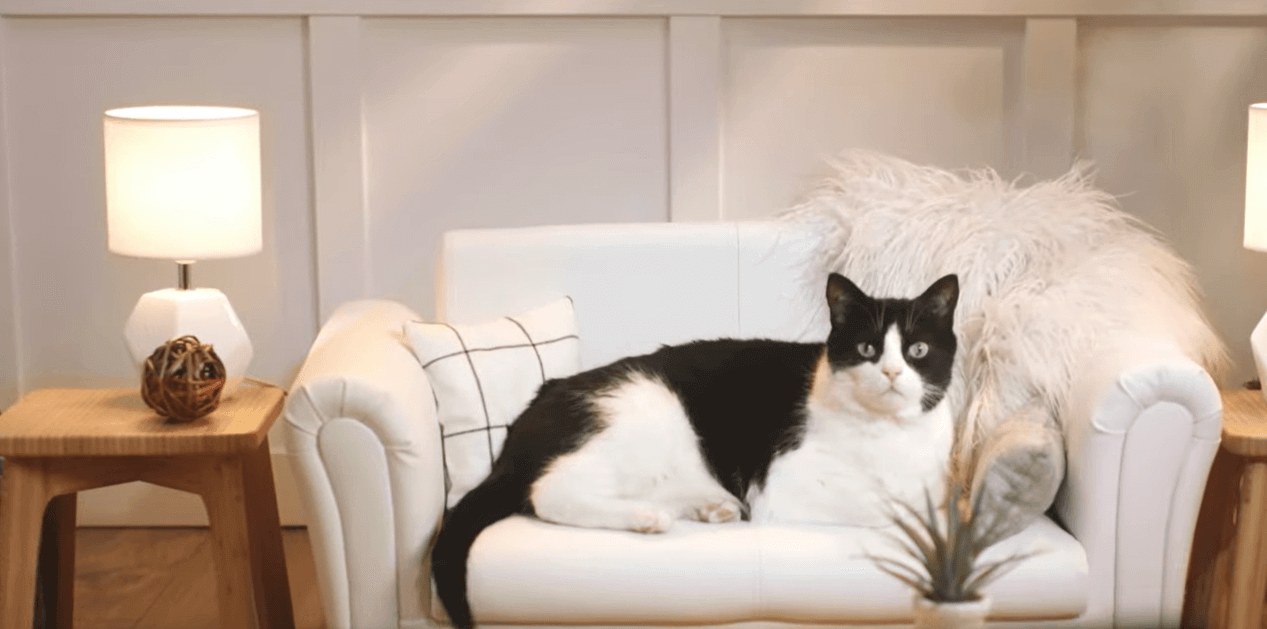
The Psychology of Feline Territory: Mapping Your Home
To truly catify your home without picking up a power drill, you must first understand the concept of the ‘Cat Superhighway.’ In the wild, cats avoid the middle of open spaces where they are vulnerable. In a home, they prefer clear, unobstructed routes from one room to another. Clutter is more than an eyesore to a cat; it is a tactical obstacle. When your main hallways or paths are blocked by boxes, unstable decor, or stray shoes, it forces your cat to squeeze through gaps, increasing their stress levels. A clutter-free path allows them to move with the confidence of a predator, rather than the caution of prey.
Stability is another psychological pillar. Cats thrive on routine and environmental predictability. This extends to their ‘essentials’—food bowls, water fountains, and litter boxes. According to 2024 pet behavioral studies, moving a cat’s primary resources even a few feet can trigger a spike in cortisol. Keep these items in steady, low-traffic locations. When a cat knows exactly where their resources are, they can spend more energy on positive engagement with their human companions rather than constantly re-mapping their environment.
Utilizing Existing Verticality: The No-Drill Approach
Height is the ultimate currency in the feline world. It provides a sense of control and safety, allowing a cat to observe the flow of the household while withdrawing from the ‘ground-level’ chaos. Most homeowners assume they need to install expensive wall-mounted shelves to satisfy this need, but most homes already possess untapped vertical potential. Dressers, bookshelves, pianos, and wide window sills are all prime real estate. To make these surfaces inviting, simply clear a small section and add a non-slip mat or a soft blanket.
Texture is critical here. A cat will often avoid a high surface if it feels slippery or unstable. By adding a small piece of carpet remnant or a silicone-backed pet bed, you turn a forgotten bookshelf into a premium observation deck. For older cats or those with mobility issues, reaching these heights can become a challenge. Instead of remodeling, use a ‘staircase’ approach with sturdy ottomans, storage cubes, or even a stack of decorative trunks. This creates a gentle slope that turns a difficult climb into an easy stroll, ensuring senior cats stay active and included in the social life of the room.
Creating Sensory Islands and Zoning
A modern cat-friendly home should be divided into meaningful zones. The 2024 trend in ‘Micro-Zoning’ suggests that cats thrive when they have choices between different sensory experiences. Consider the following zones:
- The Window Zone: Often called ‘Cat TV,’ a window provides endless mental stimulation. Placing a chair or a side table near a window with a view of bird feeders or street activity creates a high-value enrichment spot. Ensure screens are reinforced, as even the most focused cat can lose their balance when a bird flies close.
- The Play Zone: This doesn’t need to be a whole room. A dedicated rug paired with a basket of toys signals to the cat that this is the area for high energy. This helps prevent ‘zoomies’ from spilling over into fragile areas like your dining table or fireplace mantel.
- The Quiet Zone: Cats are social but require ‘privacy on demand.’ A covered bed in a corner with low foot traffic allows them to recharge. This is essential in multi-pet or multi-child households.
Rugs are often the most overlooked tool in feline interior design. Beyond aesthetics, rugs provide traction for play, insulate against cold floors, and act as scent markers. In a 2023 survey by the International Association of Animal Behavior Consultants, it was noted that homes with a mix of hard flooring and area rugs saw a 15% decrease in feline anxiety-related behaviors. Rugs guide your cat’s movement and invite them to settle in specific areas without you ever having to move a piece of furniture.
Supporting Instincts: Scratching, Scent, and Safety
Scratching is not a destructive habit; it is a biological necessity for stretching, claw maintenance, and scent marking. Instead of fighting the instinct, redirect it using low-profile additions. Cardboard scratchers are budget-friendly and can be tucked into corners where your cat already lingers. Vertical posts can be placed at the ends of sofas—the most common target for scratching—to provide a more attractive alternative. This ‘yes-and’ approach protects your furniture while fulfilling your cat’s needs.
Safety is the final piece of the puzzle. A cat-friendly home must be a secure one. Hide or tie up electrical cords, which can be tempting for chewers. Check your houseplants against ASPCA toxicity lists; common plants like lilies and sago palms can be fatal. Simple habits, like keeping cleaning products in latched cabinets and ensuring all heavy furniture is stabilized, protect your cat from accidental harm.
Case Study: The 600-Square-Foot Sanctuary
In a recent 2024 case study involving a small urban apartment, a cat owner struggled with a restless Bengal mix. The owner could not drill into the walls due to rental agreements. By applying non-invasive catification, they added three strategically placed ottomans to act as ‘steps’ to a high dresser, moved a lounge chair to the sunniest window, and added two heavy area rugs to a long hallway. Within three weeks, the cat’s vocalization at night decreased by 40%, and the cat began using the designated vertical spaces consistently. This proves that intentionality, rather than renovation, is the key to feline happiness.
Expert Verdict: The Authority on Cat-Friendly Spaces
Dr. Elena Vance, Feline Behavioral Specialist: “The most common mistake owners make is thinking they need to buy expensive ‘cat furniture’ that doesn’t match their decor. In reality, a cat cares about the function of the space. If you provide height, stability, and predictable zones, your cat will feel more secure. Incorporating items like personalized pet portraits or cat-themed art also helps the owner feel more connected to the pet, creating a shared psychological space that benefits both species. Simple, thoughtful adjustments are always more effective than a complete, stressful remodel.”
Frequently Asked Questions (FAQ)
1. How can I make my home cat-friendly if I live in a rental?
Focus on ‘moveable furniture’ catification. Use tension-rod shelves, storage cubes as stairs, and heavy rugs. These provide the verticality and texture cats need without damaging walls or floors.
2. Why is my cat still scratching the sofa even though I have a scratcher?
Check the location and stability. Cats scratch to mark territory, usually near where they sleep or where their owners spend time. Place the scratcher directly next to the area they are currently scratching, and ensure it doesn’t wobble when used.
3. Are there specific plants that are both safe and interesting for cats?
Yes! Cat grass (wheatgrass), catnip, and spider plants are safe. Spider plants are particularly fun for cats because of their dangling ‘pups’ that mimic prey movement.
4. How do I help an older cat reach high places?
Use ‘intermediate’ levels. An ottoman next to a chair, which is next to a table, creates a low-impact path. Avoid steep inclines and prioritize soft, high-grip surfaces like carpet to prevent slipping.
5. Do I need a litter box in every room?
While not every room needs one, the ‘n+1’ rule is standard (one box per cat, plus one extra). Keep them in quiet, accessible areas that aren’t ‘dead ends’ so the cat doesn’t feel trapped.
Conclusion
Creating a cat-friendly home is an act of translation. You are taking your human-centric environment and translating it into a language of safety, height, and texture that your cat can understand. By paying attention to their movements and respecting their natural instincts, you can foster a space where they move with confidence rather than caution. You don’t need to rebuild your walls to change your cat’s life; you simply need to make thoughtful choices that turn your house into a shared home. When your cat settles into a high perch or curls up on a sunny rug, you’ll realize that these small steps have made your living space feel more intentional, more peaceful, and significantly more alive.


