While it is common knowledge that cats are obligate carnivores, many pet parents are surprised to learn that not all meats are created equal when it comes to digestive health. In the modern pet food landscape, a small handful of ingredients—specifically beef, fish, and chicken—account for approximately 90% of all confirmed feline food allergy cases. For a cat suffering from chronic sensitivities, these standard proteins can trigger a continuous cycle of inflammation, leading to distressing physical symptoms and long-term health complications. If your feline companion is struggling with persistent skin irritation, digestive upsets, or unexplained lethargy, it may be time to look beyond the grocery store basics and explore the transformative potential of novel proteins. These unique protein sources offer a clean slate for the immune system, providing essential nutrients without the baggage of common allergens.
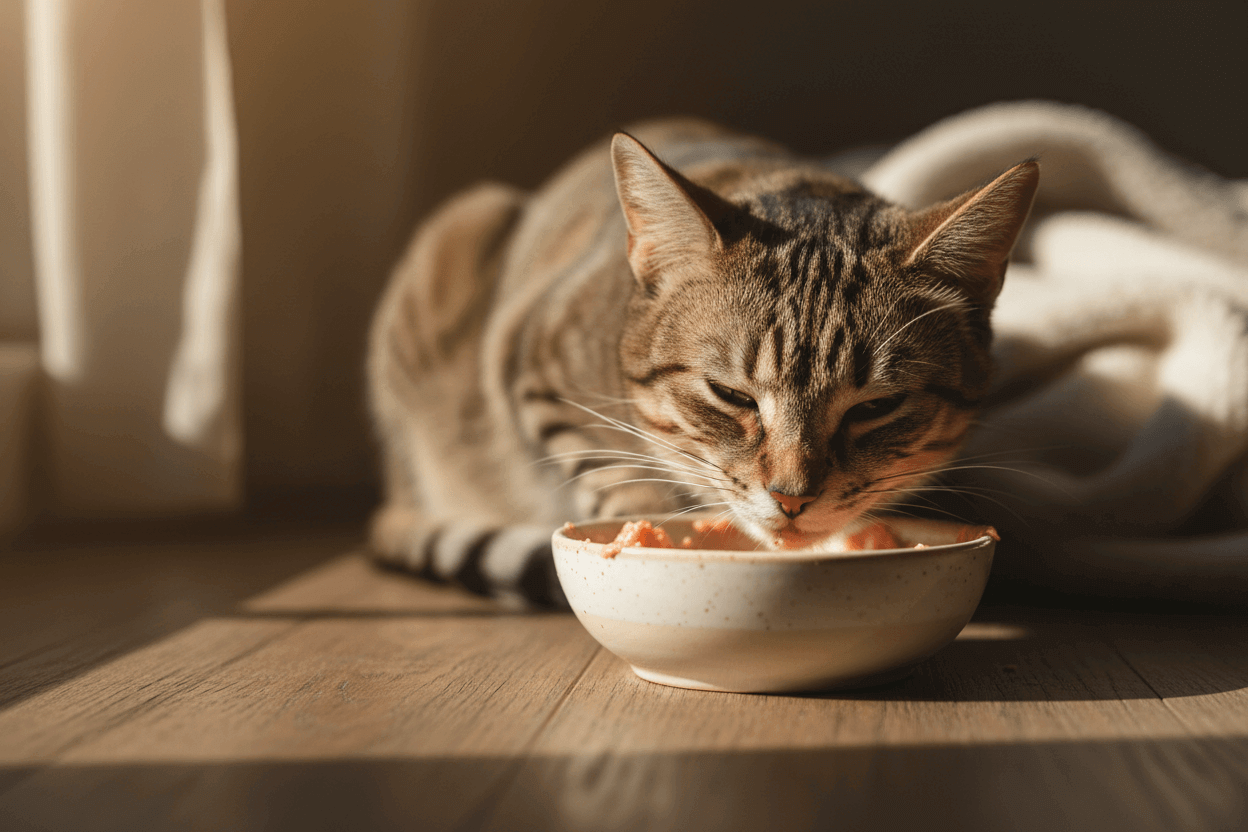
The Hidden Epidemic of Feline Food Sensitivities
Feline food allergies are more than just a minor inconvenience; they represent a significant immune system overreaction. When a cat consumes a specific protein repeatedly over years, their immune system can mistakenly identify that protein as a threat, releasing histamines that cause physical symptoms. According to recent veterinary dermatology studies, chronic itching around the face or paws, recurring ear infections, and gastrointestinal distress like vomiting or loose stools are classic red flags. Research into diet trials has shown that a staggering 85% of food-allergic cats show clinical improvement within five weeks once the offending protein is completely removed from their diet. As we head into 2024, the pet food industry is pivoting toward specialized nutrition, with the novel protein market projected to grow at a 12% CAGR through 2033, reflecting a growing awareness of these dietary needs.
1. Rabbit: The Highly Digestible Gold Standard
Rabbit is often the first recommendation from veterinarians when a cat presents with Inflammatory Bowel Disease (IBD) or severe poultry allergies. Rabbit meat is naturally lean and exceptionally easy for the feline gut to process. It is nutritionally dense, packed with Vitamin B12 for cellular health and taurine, which is critical for heart function. In a controlled clinical trial involving cats with chronic GI issues, those transitioned to a rabbit-based diet saw a 76% drop in vomiting episodes over an eight-week period. Products like KOHA Rabbit Au Jus provide a high-moisture, single-protein option that avoids the fillers often found in commercial kibble. Because rabbit has a mild, gamey flavor, it is usually well-received by even the most discerning eaters.
2. Duck: Nutrient-Dense Dark Meat for Immune Support
For cats that have developed a sensitivity to chicken but still crave poultry, duck is an excellent alternative. While it is technically a bird, the muscle structure and protein composition of duck are distinct from chicken, meaning many allergic cats tolerate it perfectly. Duck provides iron and selenium, both of which are vital for a robust immune system. Brands like Tiki Cat often pair duck with chicken liver to boost natural Vitamin A levels, which supports vision and skin health. The rich, dark-meat texture of duck is also excellent for hiding oral medications, making it a practical choice for cats undergoing treatment for skin-related flare-ups.
3. Kangaroo: The Ultimate Lean Elimination Diet
Kangaroo meat is one of the most effective proteins for an elimination diet because it is almost entirely foreign to the immune systems of North American cats. This free-ranging protein is exceptionally lean, containing only about 2% fat, and is high in Conjugated Linoleic Acid (CLA), a fatty acid associated with maintaining a healthy body weight and supporting heart health. In a 2023 case study, a five-year-old Siamese named Luna, who suffered from chronic miliary dermatitis (small, itchy scabs), saw a complete resolution of symptoms within six weeks of switching to a kangaroo-based diet. Because it is so lean, it is often recommended to add a splash of warm water to the bowl to enhance the natural aroma and ensure hydration.
4. Venison: Zinc-Rich Nutrition for Skin and Coat
Grass-fed venison is an earthy, nutrient-rich protein that provides a significant boost of zinc and B-vitamins. Zinc is a powerhouse mineral for skin health, particularly during the winter months when indoor air can be dry and irritating. Venison is an ideal choice for former outdoor cats who have transitioned to an indoor lifestyle; the flavor profile mimics the small-game prey they might have hunted in the wild. When feeding venison, it is important to monitor hydration, as the high protein density can be taxing on the kidneys if the cat is not drinking enough water. Integrating venison into a rotational diet can help maintain a thick, glossy coat and high energy levels.
5. Goat: Small Environmental Footprint, Big Nutritional Gain
Goat meat is gaining traction in 2024 as a sustainable and highly digestible alternative to beef. It contains medium-chain fatty acids (MCFAs), which are absorbed more quickly than the long-chain fats found in other red meats. This makes goat particularly beneficial for cats with “slow guts” or those prone to constipation. Manufacturers like Weruva have introduced goat-lamb blends that offer a high-palatability profile while remaining gentle on the stomach. While the aroma of goat meat can be stronger than beef, many owners find that warming the food slightly tames the scent while making it irresistible to their pets.
6. Quail: Prebiotic-Enhanced Small Game
Quail offers the nutritional benefits of small-game birds, including higher iron levels than standard chicken. What makes quail diets particularly interesting is how brands like Farmina often pair them with prebiotic fibers like pumpkin. This combination is a masterclass in digestive support; the novel protein reduces the risk of an allergic reaction, while the fiber helps regulate stool quality and prevent hairballs. For cats that struggle with the transition to new foods, the inherent palatability of quail often makes the process much smoother.
7. Black Soldier Fly Larvae: The Frontier of Feline Nutrition
Insect protein is no longer a fringe concept. Black soldier fly larvae provide a complete amino-acid profile and are considered a “hypoallergenic” source because cats are rarely, if ever, exposed to them in traditional pet foods. Beyond the health benefits, insect protein is incredibly sustainable, using 90% less land and water than traditional livestock. Early palatability studies conducted in 2024 indicate a high acceptance rate among felines, who are naturally programmed to hunt insects. This protein is a perfect option for the environmentally conscious owner looking to reduce their pet’s carbon paw-print without sacrificing nutritional quality.
The 14-Day Roadmap to a Successful Transition
Changing a cat’s diet too quickly can cause the very digestive upset you are trying to avoid. Follow this clinical transition guide: Days 1-3: Mix 25% of the novel protein food with 75% of the old food. Days 4-7: Move to a 50/50 ratio. Days 8-11: Increase to 75% novel protein and 25% old food. Days 12-14: Transition to 100% of the new diet. Throughout this process, monitor your cat’s stool and skin. If you notice persistent vomiting or diarrhea for more than 48 hours, revert to the previous ratio and consult your veterinarian. Consistency is key; do not feed treats containing the old protein during this period, as even a small amount can trigger an allergic response.
Expert Review: The Clinical Verdict
Veterinary nutritionists agree that the key to managing feline allergies is the strict avoidance of the offending allergen. While hydrolyzed protein diets (where proteins are broken down so small the immune system doesn’t recognize them) are common, many experts now prefer whole-food novel proteins because they offer superior bioavailability and palatability. By rotating proteins like kangaroo, rabbit, and quail, you not only prevent future allergies from developing but also ensure a broader spectrum of micronutrients. The future of feline health lies in diversity and high-quality, exotic sourcing.
Frequently Asked Questions
How do I know if my cat has a food allergy or just a sensitive stomach?
Food allergies usually involve the immune system and present with skin issues (itching, redness) alongside GI symptoms. A sensitive stomach is typically just GI-related (vomiting, gas). A strict 8-12 week elimination diet using a novel protein is the only definitive way to diagnose an allergy.
Is insect protein safe for long-term feeding?
Yes. Black soldier fly larvae contain all 10 essential amino acids that cats require, including taurine. It is a complete and balanced protein source that meets AAFCO standards when formulated correctly.
Why is kangaroo so expensive compared to chicken?
Kangaroo is a wild-caught, seasonal protein that must be imported from Australia. The lack of intensive farming and the high quality of the lean meat contribute to its premium price point.
Can I just cook rabbit or venison at home for my cat?
While possible, home-cooking requires precise supplementation of taurine, calcium, and vitamins. It is much safer to use a commercially prepared novel protein diet that is labeled as “complete and balanced.”
Will my cat ever be able to eat chicken again?
Once a true allergy is developed, the cat’s immune system will likely always react to that protein. Most veterinarians recommend staying on a successful novel protein diet long-term to prevent a relapse of symptoms.
Conclusion
Navigating the world of feline food allergies can be a daunting journey, but the move toward novel proteins offers a clear path to relief. Whether you choose the lean power of kangaroo, the digestive ease of rabbit, or the sustainable future of insect protein, the goal remains the same: a healthy, itch-free, and happy cat. By partnering with your veterinarian and utilizing a slow, methodical transition, you can unlock a new level of vitality for your feline friend. Remember, every cat is an individual; what works for one may not work for another, but with seven diverse options at your fingertips, the solution is closer than you think.


