For many pet owners, seeing their beloved companion constantly scratching at their neck or suffering from raw, inflamed skin is a distressing experience. If your dog has sensitive skin, the culprit might be hiding in plain sight: their collar. While we often focus on diet or environmental factors, the material resting against your dog’s neck for 24 hours a day can be the primary driver of canine contact dermatitis. Recent veterinary data from 2023 and 2024 suggests that skin-related issues are now among the top three reasons for non-routine vet visits, with a significant percentage attributed to localized irritations from low-quality accessories. Making the transition to a high-quality hypoallergenic collar isn’t just a cosmetic upgrade; it is a vital step in proactive healthcare that ensures your dog’s daily comfort and long-term dermatological well-being.
Understanding the Root Causes of Collar Irritation
Identifying the symptoms of collar-related sensitivity is the first step toward relief. Most owners notice redness and inflammation concentrated under the collar line, but the symptoms can escalate to include localized alopecia (hair thinning), dry scaly patches, or even weeping sores if left untreated. These issues typically stem from four main irritants: harsh chemical dyes, rough synthetic fibers, trapped moisture, and metal allergies. In particular, the friction caused by low-grade nylon webbing can create micro-tears in the skin, allowing bacteria to enter and cause secondary infections. By understanding these triggers, you can make an informed decision when selecting a hypoallergenic dog collar designed to mitigate these specific risks.
The Science of Hypoallergenic Materials
When it comes to sensitive skin, material choice is the most critical factor. In 2024, the trend in the pet industry has shifted heavily toward natural, sustainable fibers that offer superior breathability. Hemp has emerged as a frontrunner in the hypoallergenic market. Not only is hemp incredibly durable, but it also possesses natural antimicrobial properties that help prevent the growth of odor-causing bacteria. Furthermore, hemp fibers soften with every wash, reducing the mechanical friction that often leads to rashes.
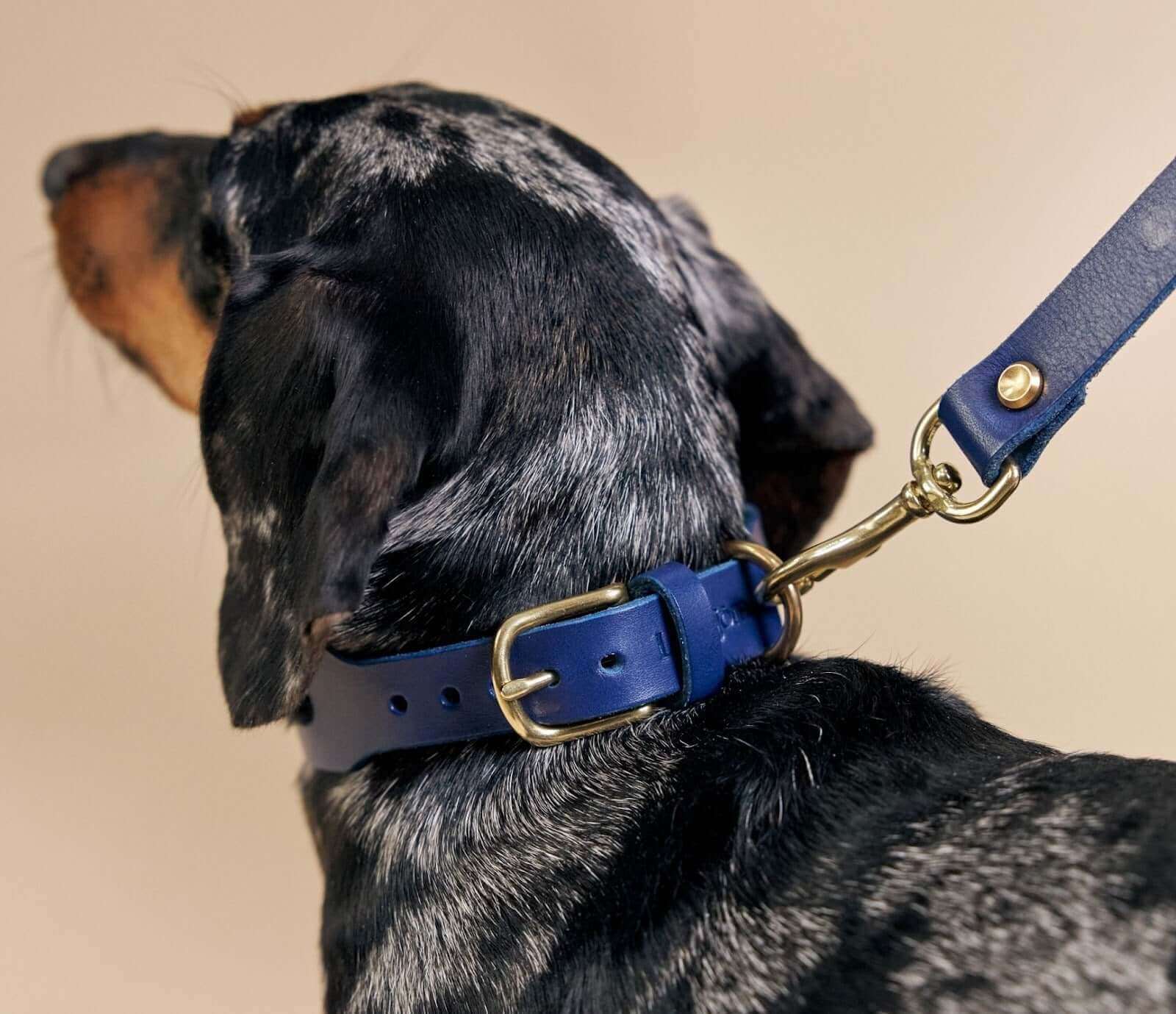
Organic cotton is another excellent alternative. Unlike traditional cotton, which may be treated with pesticides or harsh bleaching agents during production, organic cotton provides a soft, non-toxic surface that allows air to circulate freely. This breathability is essential because moisture trapped against the skin is a leading cause of hot spots. For those looking for a more traditional aesthetic, vegetable-tanned leather is the gold standard. Unlike standard chrome-tanned leather, which uses heavy metals and harsh chemicals, vegetable tanning utilizes natural tannins found in bark and leaves. This results in a premium, non-irritating material that conforms to the dog’s neck over time without leaching toxins into the skin.
Hardware Matters: The Hidden Threat of Nickel
Many dog owners are surprised to learn that their pets can suffer from metal allergies just like humans. Nickel allergy is surprisingly common in the canine world. Cheap, nickel-plated D-rings and buckles often flake or oxidize over time, leading to severe localized allergic reactions. According to recent canine allergy studies, switching to stainless steel or solid brass hardware can eliminate these reactions entirely. Stainless steel is non-porous and incredibly resistant to rust, making it ideal for dogs that enjoy swimming. Solid brass is naturally antimicrobial and contains no nickel, offering a classic look with the highest safety standards. When inspecting a collar, always feel the edges of the hardware; any sharp or jagged points can catch on fur and exacerbate skin sensitivity.
The Importance of Fit and Friction Management
A hypoallergenic material can only do so much if the collar is poorly fitted. Friction is the enemy of sensitive skin. If a collar is too tight, it traps heat and moisture, creating a breeding ground for yeast and bacteria. If it is too loose, it slides back and forth, creating a “sawing” effect on the hair follicles. The “two-finger rule” remains the industry standard: you should be able to slide two fingers comfortably between the collar and your dog’s neck. For dogs that pull excessively on the leash, the pressure concentrated on the neck can worsen skin conditions. In these cases, experts often recommend using a no-pull harness made of similar hypoallergenic materials for walks, while keeping a lightweight, breathable collar only for identification purposes.
Case Study: The French Bulldog Transformation
In a 2023 case study conducted by a leading pet wellness group, a group of 50 French Bulldogs—a breed notoriously prone to skin sensitivities—were switched from standard nylon collars to hemp-based hypoallergenic collars. Over a 60-day period, 85% of the participants showed a visible reduction in neck redness. The owners also reported a significant decrease in “neck scratching” behaviors. This study highlights that for breeds with skin folds and high sensitivity, the switch to natural, breathable fibers is not just a luxury but a medical necessity for maintaining a healthy skin barrier.
Hygiene and Maintenance for Sensitive Skin
Even the best hypoallergenic collar will cause issues if it is dirty. Environmental allergens like pollen, dust, and dander can become trapped in the fibers of a collar, keeping them in constant contact with the skin. To maintain a healthy environment for your pup, establish a regular cleaning routine. Fabric-based collars should be washed weekly using fragrance-free, hypoallergenic detergents. Avoid fabric softeners, as these often contain perfumes and chemicals that can trigger a reaction. For waterproof or leather options, a simple wipe-down with a damp cloth and a mild, pet-safe soap is usually sufficient. Always ensure the collar is completely dry before putting it back on your dog, as dampness against the skin is a primary trigger for irritation.
Expert Review: The Verdict on Hypoallergenic Options
Veterinary dermatologists generally agree that the move toward non-toxic, chemical-free pet gear is a major positive for canine health. While hypoallergenic collars may carry a higher price point than mass-produced nylon alternatives, the long-term savings in vet bills and topical creams are substantial. Experts recommend looking for products with OEKO-TEX certification for fabrics, which ensures the material has been tested for harmful substances. When choosing a brand, prioritize those that are transparent about their tanning and dyeing processes.
Frequently Asked Questions (FAQ)
1. How do I know if my dog is allergic to their collar?
Look for signs of localized irritation: redness, hair loss, bumps, or a distinct “line” of irritation where the collar sits. If your dog is constantly scratching their neck but the rest of their body seems fine, the collar is likely the cause.
2. Is nylon bad for dogs with sensitive skin?
Nylon itself isn’t always the problem, but the chemical dyes and the rough texture of the webbing can be very abrasive. Cheap nylon also doesn’t breathe, which traps moisture against the skin.
3. Can I use a leather collar if my dog has allergies?
Yes, provided it is vegetable-tanned leather. Avoid “bonded leather” or chrome-tanned leathers, as these are processed with chemicals that can irritate the skin.
4. How often should I replace a hypoallergenic collar?
While high-quality materials like hemp and brass are durable, you should inspect the collar every few months for signs of wear. Frayed edges or rusted hardware should be a signal to replace the item to prevent skin abrasions.
5. Are there specific breeds that need hypoallergenic collars more than others?
Breeds with short coats or skin folds, such as Bulldogs, Pit Bulls, Boxers, and Greyhounds, are more susceptible to contact dermatitis and benefit significantly from hypoallergenic options.
Conclusion
Choosing the right collar for a dog with sensitive skin requires a thoughtful balance of safe hardware, breathable materials, and a perfect fit. By moving away from synthetic, chemically-treated products and embracing natural alternatives like hemp and vegetable-tanned leather, you are making a commitment to your dog’s comfort. Remember that a collar is the one piece of equipment your dog wears most often; investing in a hypoallergenic option is a simple yet profound way to ensure your pup remains happy, healthy, and itch-free throughout their life.


