The Balinese cat breed is the epitome of feline grace and sophistication. Often described as a Siamese cat with a more luxurious, flowing coat, the Balinese is a breed that captivates not just with its stunning sapphire eyes but also with its deep, intuitive connection to its human companions. Despite the name, these cats do not originate from Bali; rather, they were named for the legendary grace of Balinese dancers, a fitting tribute to their fluid movements and elegant silhouette. For those seeking a companion that is as intelligent as it is beautiful, the Balinese offers a unique blend of vocal personality, high-level athleticism, and an affectionate nature that has earned them the nickname ‘velcro cats.’ Whether you are a long-time feline enthusiast or a first-time owner, understanding the nuances of this breed is essential for providing them with a fulfilling life. In this guide, we will explore the depths of the Balinese heritage, their unique physical requirements, and the health considerations every owner should know.
The History and Origin of the Balinese Breed
The story of the Balinese cat begins in the United States, not Indonesia. During the mid-20th century, specifically the 1940s and 50s, Siamese breeders occasionally found long-haired kittens in their litters. Initially, these long-haired kittens were considered a genetic anomaly and were often given away as pets without much fanfare. However, a few dedicated breeders, notably Marion Dorsey and Helen Smith, saw the potential in these ‘long-haired Siamese.’ They recognized that the kittens possessed the same striking point patterns and vivid blue eyes as the Siamese but with a silky, medium-length coat that added a layer of ethereal beauty. By the 1960s, the breed was officially recognized, and the name ‘Balinese’ was adopted to distinguish them from their short-haired ancestors while honoring their shared ancestry. Today, the Balinese stands as a testament to the beauty of natural mutations and the careful stewardship of feline enthusiasts.
Physical Characteristics and the Silky Coat
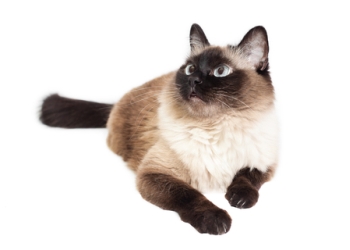
One of the most striking features of the Balinese cat is its coat. Unlike many other long-haired breeds, the Balinese lacks a thick undercoat. This single-layer coat lies close to the body and is incredibly silky to the touch. This unique trait means that the Balinese is significantly less prone to matting and tangling compared to a Persian or a Maine Coon. Their tail is perhaps their most distinguishing physical feature, often described as a ‘plume’ that flows behind them like a banner. Their body is long, lithe, and muscular, supported by fine-boned legs and small, oval paws. Their head is wedge-shaped with large, pointed ears that follow the lines of the wedge. The most mesmerizing feature, however, is their eyes—always a deep, vivid blue, almond-shaped, and slanted toward the nose, reflecting an intelligence that is hallmarks of the breed. In 2024, coat colors remain strictly defined by major registries as seal point, chocolate point, blue point, and lilac point, though some variations like the Javanese (colorpoint shorthair versions) are sometimes grouped with them.
Temperament: Living with a Vocal Intellectual
If you are looking for a quiet, sedentary cat, the Balinese is likely not the breed for you. These cats are descendants of the Siamese, and they have inherited the legendary Siamese voice, though many owners report that the Balinese has a slightly softer and more melodic tone. They are extremely social creatures that thrive on interaction. A Balinese cat will follow you from room to room, ‘supervising’ your activities and offering their vocal opinion on everything from the weather to the dinner menu. Their intelligence is off the charts; they are often capable of learning tricks, fetching toys, and even opening doors or cabinets. Because of their high social needs, creating a pet-friendly home that offers plenty of mental stimulation and vertical space is crucial for their well-being. They do not do well when left alone for long periods, so they are best suited for households where someone is frequently home or where they have another feline companion to keep them company.
Health and Longevity: What Every Owner Needs to Know
The Balinese is generally a healthy and long-lived breed, with many reaching 15 to 20 years of age with proper care. However, like all purebred cats, they are susceptible to certain genetic conditions. Hypertrophic Cardiomyopathy (HCM), a form of heart disease, is occasionally seen in the breed. Progressive Retinal Atrophy (PRA) is another concern, which can lead to gradual vision loss. Recent veterinary data from 2023-2024 highlights the importance of regular cardiac screenings and genetic testing for breeding pairs. Another condition to be aware of is liver amyloidosis, where proteins are deposited in the liver, potentially leading to organ failure. As they age, it is also important to monitor for cognitive changes. Owners of senior Balinese cats should be vigilant for signs of cat dementia, such as increased vocalization at night or disorientation, which can be managed with veterinary support and environmental adjustments. Regular check-ups and a high-quality diet are the foundations of a long, healthy life for these elegant felines.
Grooming and Daily Maintenance
Despite their long-haired appearance, the Balinese is surprisingly low-maintenance in the grooming department. Because they lack an undercoat, a quick brushing once or twice a week is usually sufficient to remove loose hairs and keep the coat looking pristine. They are often touted as being ‘hypoallergenic’ because they produce lower levels of the Fel d 1 protein in their saliva compared to other breeds. While no cat is truly 100% hypoallergenic, many allergy sufferers find they react less to a Balinese. Beyond coat care, dental hygiene is paramount. This breed can be prone to periodontal disease, so daily teeth brushing is highly recommended. When it comes to their litter box habits, they are typically quite fastidious. Owners should focus on choosing the right litter for your cat to ensure they remain comfortable and consistent with their bathroom routines. A clean environment is essential for a breed that takes such pride in its personal grooming.
Expert Review: The Balinese Verdict
Dr. Fiona Lee, DVM, and many feline specialists agree that the Balinese is a ‘top-tier’ companion for the active and engaged owner. The expert consensus is that while the Balinese requires significant emotional and mental engagement, the rewards are unparalleled. They are described as ‘dog-like’ in their loyalty and ‘monkey-like’ in their athletic curiosity. The verdict for 2024? If you can commit to the social demands and the interactive play they require, the Balinese is one of the most rewarding and beautiful breeds in the feline world. However, potential owners should always consider the financial commitment of high-quality pet insurance to protect against the specific genetic health risks associated with the breed.
Frequently Asked Questions (FAQ)
- Are Balinese cats really hypoallergenic? No cat is completely hypoallergenic, but Balinese cats produce less of the Fel d 1 protein, which is the primary allergen in feline saliva, making them a better choice for some allergy sufferers.
- How do Balinese cats differ from Siamese cats? The primary difference is the coat length and tail plume. Balinese cats have medium-length hair and a fringed tail, whereas Siamese cats have very short hair and a thin, tapered tail.
- Do Balinese cats get along with dogs? Yes! Their social and bold nature often makes them excellent companions for cat-friendly dogs. They enjoy the company and the extra playmate.
- How much exercise does a Balinese cat need? They are highly active and need at least 20-30 minutes of interactive play per day, along with plenty of climbing structures like cat trees.
- What is the typical lifespan of a Balinese cat? With excellent care and regular veterinary visits, most Balinese cats live between 15 and 20 years.
Conclusion
The Balinese cat is far more than just a long-haired version of a Siamese. They are a distinct breed with a rich history, a striking physical presence, and a personality that fills a home with life and conversation. From their hypoallergenic-leaning coats to their high-level intelligence, they offer a companionship experience that is both deep and enduring. By understanding their health needs, respecting their social nature, and providing a stimulating environment, you can ensure that your Balinese dancer thrives for many years to come. In the world of pedigreed cats, the Balinese remains a timeless classic of elegance and charm.


