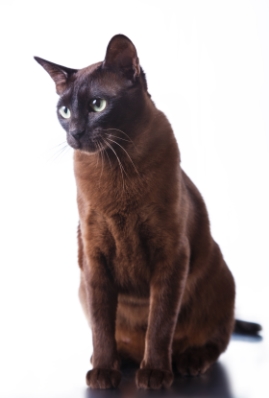
When people think of brown cats, the Havana Brown is often the first and most striking image that comes to mind. Known affectionately as the ‘Chocolate Delight’ or the ‘Brownie of the cat world,’ this rare and enchanting breed is a masterpiece of feline aesthetics. Unlike many other breeds that might sport a brown coat as a variation, the Havana Brown is the only breed that is exclusively chocolate-colored, from its silky fur down to its very whiskers. These cats are not just famous for their mahogany hue; they possess a personality so engaging and dog-like that they often become the center of their owner’s universe. Originally developed in Great Britain during the mid-20th century, the Havana Brown is a testament to careful breeding and a love for deep, rich colors. Today, they remain one of the rarest breeds registered by the Cat Fanciers’ Association (CFA), making them a true hidden gem for those lucky enough to share a home with one.
The Historic Origins: From British Soil to American Hearts
The story of the Havana Brown begins in the early 1950s in Great Britain. A group of dedicated cat fanciers aimed to create a self-brown cat with the sleek lines and elegant temperament of a Siamese. By crossing Chocolate Point Siamese with black domestic shorthairs (and occasionally Russian Blues), they achieved a cat with a uniform, warm chocolate-brown coat and striking green eyes. Initially called the ‘Chestnut Brown Foreign,’ the breed eventually took on the name Havana Brown. While some believe the name comes from the Havana rabbit, most enthusiasts agree it is a tribute to the rich color of a fine Havana cigar.
In the mid-1950s, the breed made its way to North America. Interestingly, the breed diverged slightly over time; the ‘Chestnut Brown’ in the UK moved closer to the Oriental Shorthair type, while the North American Havana Brown maintained a more distinct, unique head shape. In 2024, they remain a ‘vulnerable’ breed in terms of numbers, which only adds to their prestige among feline connoisseurs. Their rarity means that finding a breeder often involves a waiting list, but most owners will tell you the wait is more than worth it.
Distinctive Physical Features: An ‘Hourglass’ Beauty
The Havana Brown is instantly recognizable by more than just its color. Their most distinguishing feature is their head shape. They possess a long head with a very prominent, ‘hourglass’ or ‘corn cob’ muzzle. When you look at them in profile, there is a distinct stop at the eyes, giving them a look unlike any other domestic cat. Their ears are another focal point—large, round at the tips, and tilted forward, giving the cat a permanent expression of alert curiosity.
Conformation and Build: They are medium-sized cats, with females typically weighing between 6-8 pounds and males ranging from 8-10 pounds. Despite their lithe appearance, they are surprisingly heavy and muscular when picked up. They stand on long, elegant legs and end in a long, tapering tail. Their eyes are always a vivid, brilliant shade of green, which provides a stunning contrast against their deep mahogany fur.
The Coat: The coat is the breed’s crowning glory. It is medium-short, smooth, and incredibly lustrous. In the sunlight, the fur often takes on a reddish-brown tint. For those focused on maintaining this shine, purr-fectly well strategies for supporting cat wellness include high-quality Omega-3 fatty acids in their diet to keep the skin healthy and the fur gleaming.
The Personality: The ‘Dog’ of the Cat World
If you are looking for a cat that will sit distantly on a shelf, the Havana Brown is not for you. They are famously affectionate and crave human interaction. Many owners describe them as ‘velcro cats’ because they want to be involved in everything you do. They are highly intelligent and often use their paws to investigate textures or to tap their owners to get attention.
One of the most charming traits of the Havana Brown is their dog-like behavior. They are easily leash-trained and many enjoy a game of fetch. They are known to follow their ‘favorite person’ from room to room, chirping and chatting along the way. To truly bond with this breed, it helps to understand the art of cat communication, as they are very vocal about their needs and will use different purrs and trills to tell you exactly how they are feeling.
Living with a Havana Brown
Havana Browns are highly adaptable but thrive best in environments where they aren’t left alone for long periods. They are perfect for households where someone is home during the day or where there is another feline companion to keep them busy. Because of their high energy levels, they require plenty of vertical space and interactive toys to prevent boredom-induced mischief.
Care, Grooming, and Maintenance
Grooming a Havana Brown is relatively simple. Their short coat doesn’t mat easily, so a weekly brushing with a rubber curry brush or a soft bristle brush is usually enough to remove dead hair and distribute skin oils. They are minimal shedders, which makes them a favorite for owners who prefer a cleaner home.
When it comes to hygiene, consistency is key. Like all indoor cats, they require a clean environment. Selecting the right litter is essential for their comfort and health. If you are unsure which type of substrate your cat prefers, you might want to look into how to choose the right litter for your cat to ensure their sensitive paws are happy and their litter box habits remain perfect.
Health and Longevity: What to Watch For
Generally, the Havana Brown is a hardy and healthy breed with a lifespan of 12 to 15 years. However, because the gene pool is relatively small, it is important to work with reputable breeders who screen for genetic conditions. While they don’t have many breed-specific diseases, they can occasionally be prone to Upper Respiratory Infections (URI), especially as kittens. In some lineages, there has been a noted predisposition to calcium oxalate stones in the urinary tract, so keeping them well-hydrated with wet food is often recommended by veterinarians.
Expert Review: Is the Havana Brown Right for You?
The Verdict: The Havana Brown is an extraordinary companion for the proactive pet owner. Expert feline behaviorists often rank them high in ’emotional intelligence.’ They are best suited for families, singles, or seniors who want a highly interactive relationship with their pet. They are not recommended for households where the cat will be left alone for 10+ hours a day, as they can suffer from separation anxiety. If you want a cat that is as beautiful as a chocolate sculpture and as loyal as a Golden Retriever, the Havana Brown is an unmatched choice.
Frequently Asked Questions (FAQ)
Are Havana Brown cats hypoallergenic?
No, they are not hypoallergenic. While they have short coats and shed less than some other breeds, they still produce the Fel d 1 protein in their saliva and skin, which is the primary cause of cat allergies.
How rare is the Havana Brown?
They are extremely rare. Estimates suggest there are fewer than 1,000 Havana Browns in the world. They consistently rank near the bottom of the CFA’s registration lists in terms of population size.
Do they get along with dogs and other cats?
Yes! Havana Browns are very social and typically thrive in multi-pet households, provided they are introduced properly. Their confident nature allows them to hold their own even with larger dogs.
Why is their muzzle shaped like that?
The ‘corn cob’ muzzle is a result of specific genetic selection during the breed’s development in the 1950s. It is one of the primary standards breeders look for to distinguish a true Havana Brown from a chocolate-colored Oriental Shorthair.
Do Havana Browns need a special diet?
They don’t require a ‘special’ breed-specific diet, but they do best on high-protein, low-carb food. Because they are active, it is important to monitor their calorie intake to prevent obesity, which can be hard on their slender frames.
Conclusion
The Havana Brown is more than just a cat; it is a captivating blend of history, unique physical traits, and an unparalleled devotion to its human companions. From their chocolate-toned whiskers to their vibrant green eyes, every inch of this breed radiates elegance and warmth. While they may be difficult to find due to their rarity, the reward of owning a Havana Brown is a lifetime of ‘dog-like’ loyalty, intelligent conversation, and a beauty that never fades. Whether they are fetching a toy or curling up in your lap for a snooze, the Havana Brown remains one of the most rewarding and distinctive breeds in the feline kingdom.


