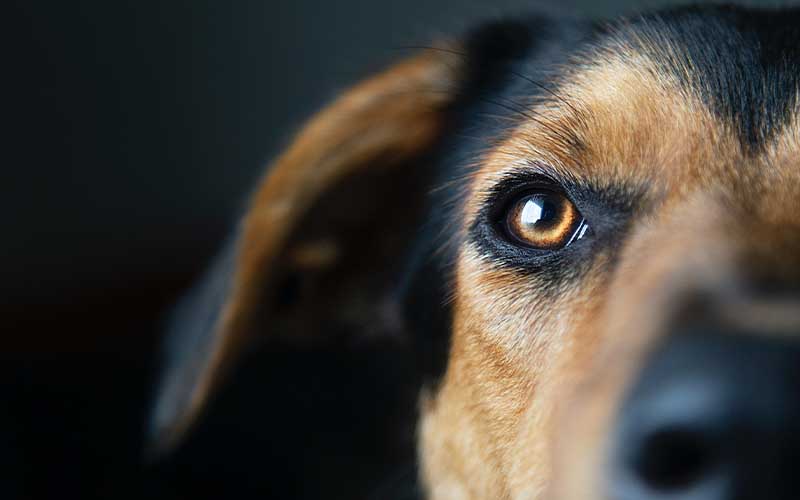
They say the eyes are the windows to the soul, and for dog owners, those big, soulful gazes are often the strongest bridge of communication between human and hound. However, just like humans, dogs are susceptible to age-related and health-induced ocular issues. Chief among these is the development of cataracts, a condition that can transform a vibrant, active pup into a hesitant, disoriented shadow of themselves. Statistics indicate that roughly 2% of the global canine population will develop cataracts at some point in their lives, often leading to total blindness if left untreated. For many owners, the diagnosis feels like a dead end, but the reality is far more optimistic. Modern veterinary ophthalmology has advanced significantly, making canine cataract surgery a highly successful and routine procedure that can restore a dog’s quality of life almost overnight.
Understanding Canine Cataracts: What is Happening Inside the Eye?
To understand a cataract, one must first understand the anatomy of the canine eye. Light enters through the cornea (the clear outer layer), passes through the iris, and hits the lens. This lens is a crystal-clear structure designed to focus light onto the retina, which then sends signals to the brain to create an image. A cataract occurs when the proteins within this lens begin to clump together or when the lens fibers break down. This causes the normally transparent lens to become cloudy, opaque, or milky white. As the opacity grows, it acts like a frosted window, blocking light from reaching the retina and effectively blinding the dog.
It is crucial to differentiate cataracts from nuclear sclerosis, a natural hardening of the lens that occurs in senior dogs. While nuclear sclerosis can give the eyes a bluish-grey haze, it does not typically impair vision significantly. Cataracts, however, are a progressive disease state. Failing to recognize the warning signs that warrant an urgent visit to a specialist can lead to secondary complications like glaucoma or painful inflammation.
The Four Stages of Cataract Progression
Veterinary ophthalmologists categorize cataracts into four distinct stages based on the degree of lens involvement. Identifying the stage is vital for determining the urgency of surgical intervention:
- Incipient: The earliest stage, involving less than 15% of the lens. Vision is usually unaffected, and many owners miss this stage entirely.
- Immature: The cloudiness covers more of the lens (15% to 99%). Vision begins to blur, and depth perception may be compromised. This is often the ideal time for surgery.
- Mature: The entire lens is opaque. The dog is functionally blind in that eye. At this stage, the eye may begin to show signs of inflammation.
- Hypermature: The lens begins to shrink and liquefy. While some vision might miraculously return as the lens clears slightly, this stage frequently leads to lens-induced uveitis (severe internal inflammation), making surgery more complicated.
Common Causes and 2024 Risk Factors
While aging is a common factor, it is certainly not the only one. Genetics play a massive role, with breeds like Cocker Spaniels, Poodles, and Boston Terriers showing a higher predisposition. However, the most aggressive form of cataracts in the canine world is linked to Diabetes Mellitus. Research updated for 2024 shows that approximately 75% of diabetic dogs will develop cataracts within one year of their diagnosis, and many will go blind within just a few weeks of the initial onset of high blood sugar.
Other causes include ocular trauma (scratches or punctures), nutritional deficiencies in puppies, and exposure to certain toxins. Understanding these risks is part of a proactive yearly pet care routine that helps catch these issues before they become irreversible. Early detection is especially important because chronic inflammation from a cataract can cause permanent damage to the retina, rendering even the most successful surgery useless.
The Surgical Procedure: Phacoemulsification
The gold standard for treating cataracts in dogs is a procedure called phacoemulsification. This is the same high-tech method used in human medicine. The surgeon uses an ultrasonic handpiece that vibrates at high frequencies to break the cloudy lens into microscopic pieces, which are then vacuumed out through a tiny incision. Once the diseased lens is removed, a clear intraocular lens (IOL)—essentially a permanent artificial contact lens—is inserted into the remaining lens capsule. This allows the dog to regain near-perfect focus.
The procedure is performed under general anesthesia, which requires a pre-operative health screening to ensure the dog’s heart and kidneys can handle the medication. The surgery itself usually takes between 45 and 90 minutes. In 2024, many specialists are now using advanced 3D visualization systems during surgery, which increases precision and reduces the time the dog spends under anesthesia.
Cost Breakdown and Financial Planning
One of the most significant hurdles for pet owners is the cost. On average, dog cataract surgery in 2024 ranges from $2,700 to $4,500 per eye. This price tag typically encompasses the specialist’s fee, anesthesia, the artificial lens implant, and the initial follow-up visits. If both eyes are operated on simultaneously, the cost may be slightly discounted, often landing between $5,000 and $7,500. For families facing these high costs, there are several options for managing unexpected veterinary costs, including medical credit cards like CareCredit or specialized pet insurance policies that cover hereditary conditions.
Post-Operative Care: The Road to Recovery
The success of the surgery depends heavily on the owner’s commitment to the recovery phase, which lasts about two to four weeks. During this time:
- The Cone of Shame: Your dog must wear an Elizabethan collar 24/7 to prevent scratching or rubbing the delicate surgical site.
- Activity Restriction: No running, jumping, or rough play. High blood pressure in the head can cause the incision to leak or the new lens to shift.
- Intensive Eye Drops: Owners must be prepared to administer multiple types of eye drops (antibiotics and anti-inflammatories) up to 4 to 6 times a day initially.
- Environment: Keep the dog in a calm, dimly lit area to reduce squinting and light sensitivity.
Expert Verdict: Is Surgery Worth It?
Veterinary experts overwhelmingly agree that for a dog with a good prognosis, cataract surgery is one of the most rewarding procedures in medicine. The success rate is approximately 95% immediately following surgery, with 80% of dogs maintaining functional vision for the rest of their lives. When a dog regains their sight, their confidence returns, anxiety often decreases, and their bond with their owner is revitalized. While some dogs can adapt to blindness by using their sense of smell and hearing, the risk of secondary painful conditions like glaucoma makes monitoring (and often surgery) a necessity rather than a luxury.
Frequently Asked Questions (FAQ)
1. Can cataracts be cured with eye drops instead of surgery?
Currently, there are no FDA-approved eye drops that can dissolve or reverse a cataract once it has formed. While some “lanosterol” drops are marketed online, clinical evidence in dogs has been largely disappointing. Surgery remains the only definitive cure.
2. My dog is 13 years old; is he too old for surgery?
Age is not a disease. If your dog’s heart and blood work are healthy, many senior dogs undergo cataract surgery safely. The decision is usually based on the dog’s overall health and expected quality of life rather than the number on the calendar.
3. What happens if I choose not to do the surgery?
If surgery isn’t performed, the cataract will likely lead to total blindness. More importantly, it can cause lens-induced uveitis, which is painful and can lead to glaucoma. If surgery is not an option, your vet will prescribe long-term anti-inflammatory drops to manage the pain and pressure.
4. Can the cataract come back after surgery?
Because the biological lens is removed, a true cataract cannot return. However, some dogs develop a “secondary cataract” or scarring of the lens capsule (Posterior Capsule Opacification). This is usually minor and rarely requires a second surgery.
5. How do I know if my dog is a good candidate?
Your vet will perform an Electroretinogram (ERG) and an ocular ultrasound. These tests ensure the retina is actually functional. If the retina is dead, removing the cataract won’t restore vision, and surgery would not be recommended.
Conclusion
Navigating a cataract diagnosis can be overwhelming, but it is a path many pet owners have walked successfully. By understanding the stages of the disease, preparing for the financial commitment, and committing to the post-operative regimen, you can give your dog the gift of sight once again. Whether your pup is a young diabetic or a senior companion, the ability to see the world—and you—is a vital part of their happiness. If you notice a cloudy film or a change in your dog’s navigation skills, consult a veterinary ophthalmologist immediately; the window to their soul deserves a clear view.


