The Akita is a breed of contradictions: it is profoundly loyal yet fiercely independent, quiet within the home yet formidable when its family is threatened. Originating from the snowy, mountainous regions of Northern Japan, this ancient breed has long been revered as a symbol of health, happiness, and longevity. Historically, when a child was born in Japan, the family would receive a small statue of an Akita to signify a wish for a healthy and prosperous life. Today, the Akita remains one of the most recognizable and respected large dog breeds in the world, characterized by its bear-like head, curled tail, and dignified presence. However, owning an Akita is not a task for the faint of heart; it requires a deep understanding of canine psychology and a commitment to firm, consistent leadership.
The Physical Profile of a Powerhouse
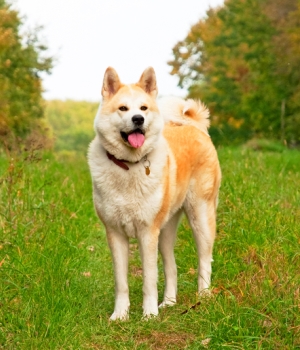
To look upon an Akita is to see a masterpiece of functional biology. According to the standard metrics for the breed, there is a notable difference between males and females. Males typically stand between 26 and 28 inches at the shoulder, weighing in at a substantial 85 to 110 pounds. Females are slightly more refined but no less powerful, standing 24 to 26 inches and weighing between 75 and 85 pounds. Their most striking feature is arguably the tail, which curls tightly over the back in a plush plume, a trait that helped them stay warm in the harsh climates of their ancestry.
The Akita possesses a thick double coat. The outer coat is somewhat coarse and stands away from the body, while the undercoat is soft, dense, and provides exceptional insulation. While many people associate the breed with the classic white, brindle, or pinto markings, the Akita can actually come in a wide variety of colors. This coat, while beautiful, leads to significant shedding, particularly during the biannual “blowing” of the coat, where the dog loses its undercoat in large clumps over several weeks.
A History Rooted in the Odate Mountains
The story of the Akita begins in the Odate region of the Akita Prefecture in Japan. Originally known as “Odate dogs,” they were used by the Matagi—traditional winter hunters—to track and bay large game such as wild boar, Sika deer, and even the formidable Yezo bear. Their courage in the face of such dangerous prey is legendary. Over centuries, the breed’s role evolved from mountain hunter to royal guardian and eventually to a national treasure. In 1931, the Japanese government officially designated the Akita as a Natural Monument.
The breed’s international fame skyrocketed through the story of Hachiko, the Akita who waited for his deceased owner at a train station every day for nearly ten years. This unwavering devotion is the hallmark of the breed. In 2024, the Akita continues to be a top choice for owners who value a “one-person” or “one-family” dog that offers unmatched protection and companionship.
Temperament, Intelligence, and the Necessity of Socialization
While the Akita is undeniably intelligent, it is also highly autonomous. Unlike some breeds that live to please their owners, the Akita often asks “why?” before following a command. They are known to be quiet, rarely barking unless there is a genuine reason to alert the family. However, their protective nature can manifest as suspicion toward strangers. The original source material notes that they have been known to be aggressive toward other dogs and, in some cases, even members of their own household if boundaries are not strictly maintained. This makes understanding triggers and prevention for dog aggression a vital part of Akita ownership.
Because of their strength and dominant personality, an Akita must be socialized from the moment they enter a home. This is not a breed that can be left to its own devices. Owners must invest significant time in puppy socialization and modern training strategies to ensure the dog grows into a well-adjusted adult. Without this early intervention, the Akita’s natural instinct to guard can become overactive, leading to behavioral challenges that are difficult to manage in a suburban environment.
Health and Wellness: Protecting Your Guardian
Like many large and giant breeds, the Akita is susceptible to certain genetic and environmental health conditions. According to data trends through 2024, the most common health insurance claims for Akitas involve orthopedic issues and gastrointestinal emergencies. Key conditions to monitor include:
- Gastric Dilatation-Volvulus (Bloat): A life-threatening condition where the stomach twists. Akitas, with their deep chests, are at high risk.
- Hip Dysplasia: An inherited condition where the hip joint doesn’t fit properly, leading to arthritis.
- Hypothyroidism: A hormonal imbalance that can lead to weight gain, skin issues, and lethargy.
- Progressive Retinal Atrophy (PRA): A degenerative eye disorder that can eventually lead to blindness.
To keep an Akita healthy, owners must balance their moderate energy levels with consistent exercise. While they don’t require the frantic activity of a Border Collie, they need daily walks and, perhaps more importantly, mental engagement. A bored Akita is a destructive Akita. Implementing ways to provide your dog with mental stimulation—such as food puzzles or advanced scent work—is essential for their psychological well-being.
Expert Verdict: Is the Akita Right for You?
In the world of canine experts, the Akita is often described as “a large dog in a cat’s personality.” They are fastidious about their cleanliness, often grooming themselves like a feline, and they value their personal space. The consensus for 2024 remains the same: the Akita is an exceptional companion for an experienced dog owner who understands the nuances of pack leadership. They are not recommended for first-time owners or those who cannot commit to the rigors of training. If you have the time, the space, and the strength of character to lead such a powerful animal, the reward is a bond of loyalty that is truly second to none.
Frequently Asked Questions (FAQ)
Are Akitas good with children?
Akitas can be wonderful with children in their own family if they are raised with them and properly supervised. However, because they are large and powerful, and can be protective, they may mistake the roughhousing of visiting children as a threat. They are generally better suited for homes with older, respectful children.
Do Akitas shed a lot?
Yes. They have a thick double coat and are considered heavy shedders. They shed moderately year-round and “blow” their coats twice a year, during which time you will find large amounts of fur throughout your home. Regular brushing is a necessity.
Can an Akita live in an apartment?
While Akitas are relatively quiet indoors and have moderate energy levels, their size makes apartment living a challenge. If they receive enough daily outdoor exercise and mental stimulation, they can adapt, but a home with a large, securely fenced yard is much more ideal.
Are they easy to train?
Akitas are intelligent but stubborn. They do not respond well to harsh training methods; instead, they require a confident owner who uses positive reinforcement mixed with firm, consistent boundaries. They tend to get bored with repetitive tasks.
How long do Akitas typically live?
The average life expectancy for an Akita is between 10 and 12 years, which is standard for a dog of their size.
Conclusion
The Akita is a dog of immense dignity and historical significance. From the rugged mountains of Japan to the living rooms of dedicated owners worldwide, they continue to serve as the ultimate guardians. While their coat requires maintenance and their temperament requires a skilled hand, the Akita’s presence in a home is a source of security and profound companionship. By prioritizing early socialization, understanding their unique health needs, and providing consistent leadership, you can ensure that your Akita lives a long, happy, and fulfilling life as the heart of your household.


