For many cat owners, the arrival of spring is a bittersweet transition. While the melting snow and blooming flowers signal a fresh start, they also herald the beginning of allergy season—a time when both humans and their feline companions can experience significant discomfort. However, unlike humans who typically suffer from hay fever, runny noses, and watery eyes, cats manifest their allergic reactions primarily through their skin. This condition, known as feline atopy or allergic dermatitis, can lead to a cycle of itching, over-grooming, and secondary infections that compromise a cat’s quality of life. In this comprehensive guide, we will explore the intricacies of feline allergies, ranging from environmental triggers and food sensitivities to the ever-persistent flea allergy, and provide actionable solutions to keep your pet comfortable year-round.
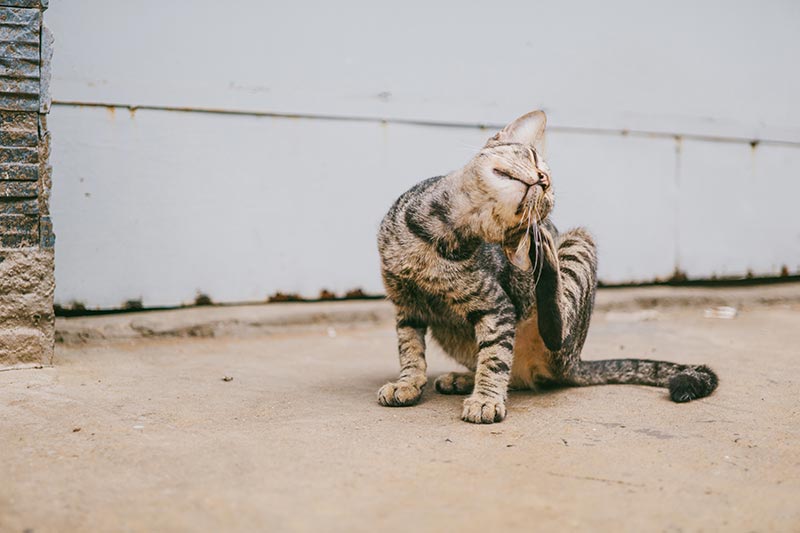
The Three Main Categories of Feline Allergies
To effectively treat a cat, one must first identify the root cause of the irritation. Veterinary science generally categorizes feline allergies into three distinct groups: environmental (airborne) allergies, food allergies, and flea allergy dermatitis (FAD). While the symptoms—primarily itching and skin lesions—may look identical across all three, the management strategies differ significantly. Research from 2023 suggests that approximately 10-15% of the general cat population suffers from some form of allergic skin disease, making it one of the most common reasons for veterinary visits today.
1. Environmental and Airborne Allergies (Atopy)
Environmental allergies are triggered by substances that a cat inhales or comes into physical contact with. Common culprits include tree, grass, and weed pollens, mold spores, dust mites, and even certain household cleaning products. Susceptibility to these allergens typically manifests between the ages of one and three. When a cat is exposed to these irritants, their immune system overreacts, releasing histamines that cause the skin to become inflamed and itchy. This often leads to a condition called miliary dermatitis, characterized by small, crusty bumps along the back and neck. If you notice your cat is particularly symptomatic during high pollen counts, they may also exhibit upper respiratory issues; for more on this, you can read about top reasons cats get runny noses and how to help.
2. Flea Allergy Dermatitis (FAD)
It is a common misconception that a cat must be infested with fleas to suffer from a flea allergy. In reality, a single bite from a single flea can trigger a massive systemic reaction in a sensitive cat. This is because the allergy is specifically to the proteins found in the flea’s saliva. When the flea bites, the saliva enters the cat’s bloodstream, causing intense pruritus (itching). Cats with FAD will often chew at the base of their tail or the backs of their legs until the fur is gone and the skin is raw. In 2024, veterinarians are seeing a rise in flea resistance in certain geographic areas, making year-round prevention more critical than ever.
3. Feline Food Allergies
Food allergies are less common than environmental or flea allergies, but they are often more difficult to diagnose. They occur when the immune system mistakenly identifies a protein in the food as a foreign invader. Common allergens include beef, fish, chicken, and dairy. Unlike seasonal allergies, food allergies persist year-round. Symptoms often include intense itching around the head and neck, but they can also manifest as gastrointestinal distress. If your cat suffers from chronic vomiting or diarrhea alongside skin issues, it is important to differentiate between a simple allergy and more complex conditions; learning about inflammatory bowel disease in cats can provide valuable context for these overlapping symptoms.
Diagnosing the Itch: From Blood Tests to Food Trials
Determining the exact cause of a cat’s discomfort requires a systematic approach. Veterinarians will usually start by ruling out the most obvious causes, such as parasites or fungal infections like ringworm. If allergies are suspected, the next step is often specialized testing.
- Intradermal Skin Testing: Often considered the gold standard, this involves shaving a small patch of fur and injecting tiny amounts of various allergens under the skin to observe the reaction.
- Serum (Blood) Testing: This measures the levels of allergen-specific IgE antibodies in the blood. While convenient, it is sometimes seen as less precise than skin testing.
- Elimination Food Trials: To identify a food allergy, the cat must be placed on a hydrolyzed protein diet or a novel protein diet (such as venison or rabbit) for 8 to 12 weeks. During this time, the cat cannot have any treats, flavored medications, or table scraps.
Modern Treatment Options and 2024 Innovations
Managing feline allergies has evolved significantly in recent years. We no longer rely solely on heavy doses of steroids, which, while effective, can have long-term side effects such as weight gain or an increased risk of diabetes. Modern protocols often involve a multi-modal approach.
Pharmacological Interventions
Corticosteroids remain a potent tool for breaking the itch-scratch cycle during acute flare-ups. Fortunately, cats are more resistant to the side effects of steroids than dogs or humans. However, veterinarians are increasingly turning to Cyclosporine, an immunosuppressant that manages chronic atopy with fewer metabolic side effects. Additionally, Antihistamines may be used, though their efficacy varies greatly from cat to cat.
Hyposensitization Therapy (Allergy Shots)
For cats with severe environmental allergies, immunotherapy is the most effective long-term solution. Based on allergy testing results, a custom “vaccine” is created containing small amounts of the offending allergens. Over time, regular injections help desensitize the cat’s immune system. Recent data suggests a success rate of 60-75% in significantly reducing symptoms.
Topical and Supportive Care
Keeping the skin barrier healthy is vital. Omega-3 and Omega-6 fatty acid supplements help reduce inflammation from the inside out. For immediate relief, therapeutic baths can wash away surface allergens and soothe irritated skin. If you are unsure how to manage this at home, check out this guide on how to give your cat a bath safely and effectively.
Expert Review: The Importance of Environmental Control
Veterinary dermatologists emphasize that medication is only half the battle. Owners must proactively manage the cat’s environment to minimize exposure. This includes using HEPA air purifiers to remove pollen and dust, keeping windows closed during peak season, and implementing strict flea control for every pet in the household. Experts also note that stress can exacerbate allergic itching, so maintaining a calm, enriched environment is essential for a holistic recovery.
Frequently Asked Questions (FAQ)
Can I give my cat Benadryl for allergies?
While diphenhydramine (Benadryl) is sometimes used in cats, you must never administer it without a veterinarian’s guidance on dosage. Many human formulations contain extra ingredients like xylitol or decongestants that are toxic to cats.
How do I know if it is an allergy or just dry skin?
Dry skin usually results in small flakes of dandruff. Allergies typically involve intense itching, redness, hair loss (often symmetrical), and the presence of small scabs (miliary dermatitis).
Are certain breeds more prone to allergies?
While any cat can develop allergies, breeds like the Siamese and the Devon Rex are sometimes cited in clinical studies as having a higher predisposition to atopic dermatitis and food sensitivities.
Can a cat develop allergies later in life?
Yes, though most allergies appear by age three, a cat can develop a food allergy or a flea sensitivity at any age, even after years of eating the same food or living in the same environment.
How long does it take for a food trial to work?
Patience is key. It can take up to 12 weeks for the old proteins to leave the system and for the skin to begin healing. Most owners see initial improvement within 4 to 6 weeks.
Conclusion
Feline allergies are chronic conditions that require lifelong management rather than a one-time cure. By understanding the triggers—whether they are blooming in the yard, jumping on your carpet, or hidden in a kibble bag—you can tailor a treatment plan that keeps your cat comfortable. Early intervention is critical; if you notice your cat grooming excessively or developing bald patches, consult your veterinarian immediately. With the right combination of modern medicine, environmental control, and high-quality nutrition, your feline friend can enjoy a happy, itch-free life regardless of the season.


