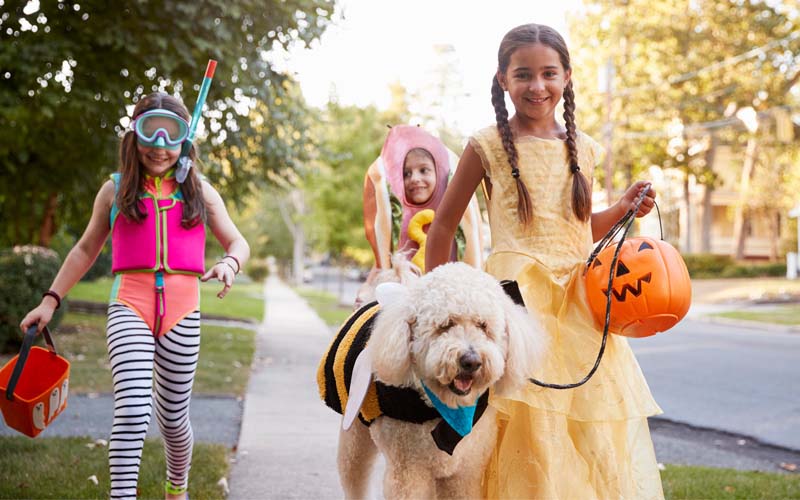
Halloween has evolved from a simple night of spooky fun into a massive cultural phenomenon where every member of the family—including the four-legged ones—is invited to participate. According to recent 2024 consumer trends, over 70% of pet owners consider their dogs part of the family, and nearly half plan to include them in holiday festivities like trick-or-treating. While the prospect of walking your costumed canine through the neighborhood is delightful, it requires a significant level of preparation to ensure it doesn’t turn into a nightmare. Not every dog is built for the high-sensory environment of Halloween night, which features flashing lights, rustling costumes, and a constant influx of strangers. Success lies in balancing the fun of the holiday with a rigorous focus on safety, temperament, and health.
Assessing Your Dog’s Halloween Readiness
Before you even reach for a pumpkin-shaped treat bucket, you must honestly evaluate whether your dog is a good candidate for a night on the town. A dog that is naturally confident, well-socialized, and accustomed to noise will likely thrive. However, if your pup is prone to anxiety or fear, forcing them into a crowded, high-energy environment can lead to long-term behavioral setbacks. It is essential to know how to keep your dog safe in crowded areas, as Halloween neighborhoods are the definition of unpredictable environments.
Professional animal behaviorists recommend a technique called desensitization. In the weeks leading up to October 31st, start exposing your dog to the components of the holiday in a controlled way. Play recordings of spooky sounds at low volumes, wear a mask around the house for short periods, and set up a few yard decorations. If your dog displays signs of extreme distress—such as tucking their tail, trembling, or persistent barking—they are telling you they would much prefer a quiet night at home with a chew toy rather than a trek through the neighborhood.
Mastering Obedience for a Spooky Night
Halloween is the ultimate test of your dog’s training. With candy wrappers on the ground and children running in every direction, your dog’s recall and impulse control must be sharp. Basic commands like “leave it” and “drop it” are non-negotiable lifesavers. On Halloween, sidewalks are often littered with dropped chocolate, raisins, or wrappers, all of which can be fatal if ingested. Ensuring your dog responds to commands is much easier when you have expert dog training protocols in place well before the big night.
Walking etiquette is equally vital. Your dog should be able to maintain a loose leash even when a six-foot-tall inflatable ghost suddenly starts moving in a neighbor’s yard. If your dog tends to lunge at squirrels or jump on friendly strangers, the extra stimulation of Halloween will likely amplify these behaviors. Practice walking your dog in areas with high foot traffic during the daytime to build their confidence and reinforce the “heel” command under pressure.
The Art of the Dog Costume: Safety and Comfort
While the internet loves a pug dressed as a hot dog, the dog in question might feel differently. The primary rule of pet costumes is that they must never compromise the animal’s mobility, vision, or breathing. A poorly fitted costume can lead to panic or physical injury. When selecting an outfit, avoid anything with small buttons, sequins, or dangling strings that could be chewed off and swallowed. These can cause intestinal blockages, which are one of the most common reasons for emergency veterinary visits during the holiday season.
Look for signs of stress when your dog is dressed up. A dog with a stiff posture, “whale eye” (where you can see the whites of their eyes), or excessive panting is a dog that is not enjoying their costume. If your pet is resistant, consider a festive bandana or a simple harness with reflective properties instead. This keeps them in the spirit of the holiday without the physical discomfort of a full bodysuit.
Navigating the Route and Ensuring Visibility
When planning your trick-or-treating route, choose paths that are familiar to your dog. Strange neighborhoods can add an extra layer of stress. Aim for well-lit streets and avoid houses with excessively loud animatronics or strobe lights that might trigger a fear response. Visibility is perhaps the most critical safety factor. As it gets dark, a dark-furred dog can become virtually invisible to drivers and other pedestrians.
- Reflective Gear: Use reflective leashes, collars, or even clip-on LED lights.
- ID Tags and Microchips: Ensure your contact information is current. 2024 data suggests that pet loss incidents spike during major holidays.
- Short Leashes only: Avoid retractable leashes, which provide less control and can become a tripping hazard in the dark.
Toxic Treats: A Constant Vigilance
The primary danger of trick-or-treating isn’t ghosts or goblins—it’s the candy bag. Chocolate, particularly dark and baking chocolate, contains theobromine, which is toxic to dogs. Even more dangerous is Xylitol (often labeled as Birch Sugar), a sugar substitute found in many sugar-free candies and gums. Even a tiny amount can cause life-threatening hypoglycemia or liver failure in dogs. Instead of letting your dog sniff the loot, bring along some safe alternatives from the complete guide to healthy dog snacks so they can feel rewarded for their good behavior without the risk.
Expert Review and Verdict
The consensus among veterinary experts and professional trainers is that trick-or-treating with a dog can be a wonderful bonding experience, but it is not a “one size fits all” activity. The safety of the pet must always outweigh the aesthetic of the photo op. Dr. Fiona Lee, a veterinary expert, notes that the uptick in emergency room visits on Halloween is often preventable with better owner awareness. The verdict: If your dog is socialized, well-trained, and visible, go for it. If they are anxious or reactive, keep them inside in a safe room away from the front door’s constant ringing.
Frequently Asked Questions (FAQ)
Can I give my dog pumpkin-flavored treats?
Yes, plain canned pumpkin (not pie filling) is actually very healthy for dogs and provides fiber. However, ensure any “pumpkin” treats do not contain added sugars or spices like nutmeg, which can be toxic in large amounts.
What should I do if my dog eats Halloween candy?
Immediately contact your veterinarian or a pet poison control hotline. Be ready to identify what was eaten and the approximate amount. If the candy contained Xylitol or high amounts of dark chocolate, it is a medical emergency.
How do I handle my dog if they get spooked by a costume?
Stay calm and create distance between your dog and the object of their fear. Do not force them to “meet” the person in the costume. Use high-value treats to reward them for staying calm as you move away.
Are glowing collars safe for dogs?
Most LED and glow collars are perfectly safe as long as they are fitted correctly. Ensure the dog cannot chew on the battery pack or the glowing components.
Conclusion
Trick-or-treating with your dog is a peak experience for many pet parents, offering a unique way to enjoy the season together. By prioritizing safety, visibility, and training, you can navigate the spooky streets with confidence. Remember that your dog relies on you to be their advocate. If the crowds get too thick or the noises too loud, there is no shame in heading home early. A successful Halloween isn’t measured by how many houses you visit, but by the comfort and safety of your furry best friend. With the right prep, you and your pup can enjoy a hauntingly good time that you’ll remember for years to come.


