As a devoted dog owner, you recognize that your canine companion is more than just a pet; they are a cherished member of the family. This emotional bond often translates into the desire to share everything with them, including our favorite snacks. However, the modern landscape of pet nutrition is increasingly complex. You cannot simply allow friends, family, or casual visitors to offer your dog treats without strict oversight. What appears to be a small, harmless gesture—a piece of chocolate, a grape, or a seasoned cracker—can rapidly escalate into a medical emergency involving gastrointestinal distress, acute allergic reactions, or long-term organ damage. As the primary advocate for your pet’s health, you must maintain a vigilant watch over their intake and educate those in your social circle about the rigid boundaries of canine nutrition. Navigating the world of dog snacks requires a balance of love and scientific awareness to ensure every reward contributes to their longevity.
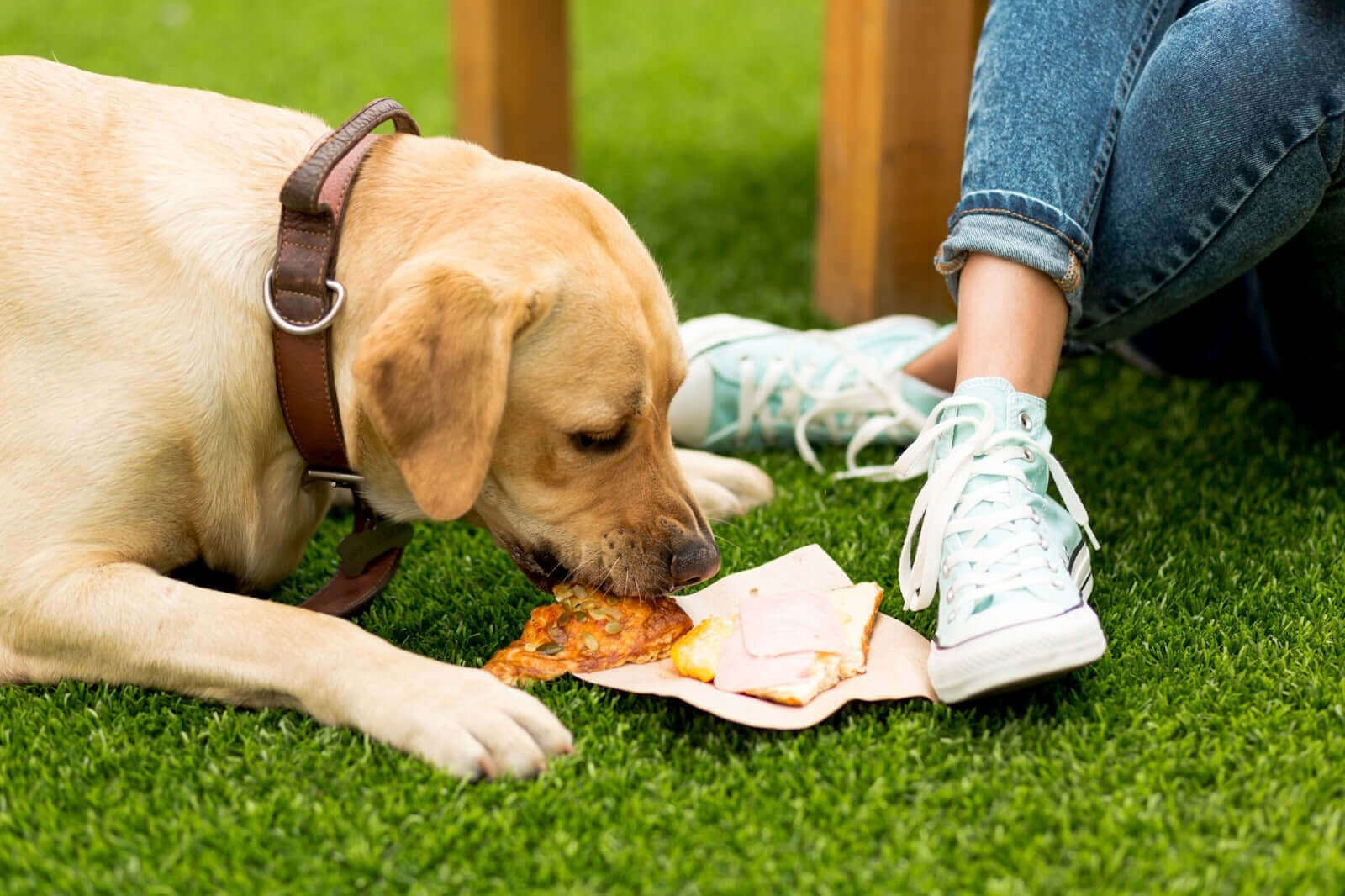
The fundamental challenge facing pet parents today is the lack of widespread knowledge regarding canine-safe foods. With the humanization of pets reaching an all-time high in 2024, the market is flooded with products that mirror human snacks but may not align with canine physiology. Choosing the right snack is not merely about avoiding toxicity; it is about optimizing your dog’s metabolic health. This guide serves as a comprehensive resource to help you distinguish between high-value nutritional rewards and dangerous dietary pitfalls. By understanding the biological impact of different food groups, you can transform snack time into an opportunity for wellness rather than a risk factor for disease. Let us explore the nuances of safe treat selection, the science of canine digestion, and the specific superfoods that will keep your dog thriving for years to come.
The Nutritional Science of Canine Snacking
In 2024, veterinary nutritionists are placing a heavier emphasis on the ‘functional treat’ movement. This concept suggests that every calorie consumed outside of a primary meal should serve a specific health purpose. Healthy snacks do more than just satisfy a craving; they support gut microbiome diversity, provide steady glucose levels for energy, and offer mechanical cleaning for dental hygiene. Conversely, snacks laden with high fructose corn syrup, artificial dyes (like Red 40 or Blue 2), and chemical preservatives can trigger chronic inflammation. Research has shown that a diet high in ultra-processed treats is a leading contributor to canine obesity, which currently affects over 50% of dogs in North America. By prioritizing natural, whole-food ingredients, you are effectively providing ‘preventative medicine’ through your pet’s treat jar.
The ‘Green List’: Nature’s Best Dog Superfoods
When looking for safe and natural snacks, the produce aisle is often your best friend. Fruits and vegetables are nutrient-dense and low-calorie, making them ideal for weight management. Here are the top veterinarian-recommended options:
1. Blueberries: The Antioxidant Powerhouse
Blueberries are frequently cited as the ultimate superfood for dogs. They are rich in anthocyanins, which are phytochemicals that protect cells from oxidative damage. For senior dogs, the antioxidants in blueberries can support cognitive function and reduce the signs of aging. Because they are low in sugar and high in fiber, they are an excellent snack for dogs with diabetes or those on a calorie-restricted diet.
2. Carrots: Dental Health and Vision
Carrots are a classic favorite because of their satisfying crunch. This mechanical action helps scrape away plaque from the teeth, acting as a natural toothbrush. Nutritionally, carrots are loaded with Beta-carotene, which the body converts into Vitamin A, essential for immune health and eye function. Serve them raw for the dental benefits or lightly steamed to make the nutrients more bioavailable.
3. Sliced Apples: Fiber and Fresh Breath
Apples provide a great source of Vitamin C and pectin, a soluble fiber that aids digestion. However, you must be extremely careful to remove all seeds and the core, as apple seeds contain amygdalin, which can release cyanide when chewed. Slicing apples into thin wedges makes them a refreshing, hydrating snack during summer months.
4. Green Beans: The ‘Weight Loss’ Trick
Veterinarians often recommend the ‘green bean diet’ for dogs needing to shed a few pounds. Green beans are exceptionally low in calories but high in volume and fiber, helping your dog feel full without the caloric density of processed biscuits. Always ensure they are plain—no added salt or canned preservatives.
Lean Proteins: Fueling Muscle and Vitality
Dogs are biologically designed to thrive on protein. While commercial treats often use ‘meat meal’ or ‘animal by-products,’ home-prepared proteins are far superior. Slices of boiled chicken breast or plain turkey provide essential amino acids like leucine and lysine, which support muscle repair and skin health. In recent years, dehydrated organ meats, such as beef liver or heart, have gained popularity. These are ‘high-value’ treats, meaning they are particularly effective for training complex tasks because of their intense aroma and flavor. However, because organ meats are very rich in Vitamin A and minerals, they should be given in moderation to avoid nutritional imbalances.
The Danger Zone: Foods That Can Be Fatal
Understanding what to avoid is even more critical than knowing what to give. Some human foods contain compounds that are processed differently by the canine liver or kidneys, leading to rapid toxicity.
- Xylitol (Birch Sugar): In 2024, this artificial sweetener is found in more products than ever, including ‘low-fat’ peanut butters, sugar-free gums, and even some baked goods. Xylitol causes a massive insulin surge in dogs, leading to life-threatening hypoglycemia and acute liver failure within hours.
- Grapes and Raisins: Recent research suggests that tartaric acid in grapes is the likely culprit for the sudden kidney failure seen in dogs after ingestion. There is no ‘safe’ dose; even a single raisin can be toxic to some dogs.
- Onions and Garlic: These contain N-propyl disulfide, which damages a dog’s red blood cells, potentially leading to hemolytic anemia. While small amounts of garlic are sometimes debated, onions are strictly off-limits.
- Macadamia Nuts: These can cause ‘Macadamia Nut Toxicosis,’ resulting in weakness, vomiting, tremors, and hyperthermia.
The 10% Rule and Portionality
Even the healthiest snack can become a problem if given in excess. A critical rule of thumb used by experts is the 10% Rule: snacks and treats should never exceed 10% of a dog’s daily caloric requirement. For a small dog requiring 400 calories a day, that means only 40 calories can come from treats. Overfeeding treats leads to ‘nutrient dilution,’ where the dog fills up on snacks and lacks the appetite for their balanced, nutritionally complete primary meals. A 2023 study by the Association for Pet Obesity Prevention highlighted that pet owners often underestimate treat calories by as much as 300%, contributing to the current obesity epidemic.
Expert Review and Verdict
The consensus among veterinary nutritionists is that whole-food, single-ingredient treats are the gold standard. While the convenience of store-bought ‘beggin’ strips’ is tempting, the long-term health benefits of switching to blueberries, carrots, and boiled chicken are backed by decades of clinical data. If you must buy commercial snacks, look for ‘Limited Ingredient’ labels and ensure they are sourced from reputable regions with strict safety standards. The verdict is clear: Mindful snacking is a pillar of responsible pet ownership that extends your dog’s lifespan and enhances their quality of life.
Frequently Asked Questions (FAQ)
Can I give my dog peanut butter?
Yes, but you must check the label for Xylitol. Only give plain, unsalted, and unsweetened peanut butter. It is high in fat, so keep the portion small.
Is cheese a safe snack for dogs?
Most dogs can handle small amounts of low-fat cheese like mozzarella or cottage cheese. However, many dogs are lactose intolerant, which can lead to gas and diarrhea. Avoid aged or ‘blue’ cheeses.
Are ‘grain-free’ treats better?
Not necessarily. Unless your dog has a specific, diagnosed grain allergy, grains like oats can be a healthy source of fiber. The ‘grain-free’ trend is often more about human marketing than canine health needs.
How many treats can my puppy have?
Puppies have very sensitive stomachs. Stick to tiny bites of boiled chicken or their own kibble as rewards to avoid upsetting their digestive system during their developmental phase.
Can dogs eat popcorn?
Plain, air-popped popcorn is safe in small amounts. Avoid popcorn with butter, salt, or caramel, and ensure no unpopped kernels are included, as they can be a choking hazard or damage teeth.
Conclusion
Your dog’s diet is the foundation of their happiness and vitality. By choosing healthy snacks and avoiding hidden toxins, you are not just feeding them; you are nourishing them. Remember that the best reward for your dog isn’t always food—a long walk, a game of fetch, or a belly rub can be just as satisfying. When you do reach for the treat jar, make sure it’s filled with ingredients you recognize and trust. With the right approach to nutrition, you can ensure that every tail wag is backed by a healthy heart and a strong body.


