I still remember the night a sudden wildfire warning flashed across my phone screen. As an exotic pet enthusiast with a house full of delicate creatures—from a senior Labrador to a sensitive conure—my heart didn’t just skip a beat; it hammered. In that moment of panic, the difference between chaos and a calm evacuation was a single binder and a pre-packed bag. We often think we have time, but nature rarely gives us the luxury of a head start. Whether it is the howling winds of a hurricane, the erratic path of a tornado, or the encroaching smoke of a wildfire, our pets rely entirely on us for their survival. They don’t understand why the air smells of smoke or why the sky has turned an eerie shade of green; they only know that they are scared and looking to us for cues on how to react.
As someone who has navigated the unique challenges of keeping animals safe in high-stress environments, I’ve learned that a ‘plan’ is only as good as its execution under pressure. It isn’t just about having an extra bag of kibble in the pantry. It’s about a holistic strategy that encompasses physical safety, psychological well-being, and logistical foresight. Our furry, feathered, and scaled friends are family members, and their loss can be a devastating blow to our emotional recovery following a disaster. In this guide, we will dive deep into the expert-backed strategies for protecting your animals when the unthinkable happens.
The Foundation of Preparedness: Why Waiting is a Mistake
Dr. Wesley Bissett, a leading voice in veterinary emergency response at Texas A&M, often emphasizes that the best outcomes occur when pet owners prepare long before the clouds darken. The psychology of a disaster often leads to ‘normalcy bias’—the belief that things will be fine because they’ve always been fine before. However, when local authorities issue an evacuation order, every second spent searching for a carrier or a leash is a second lost to safety. Early evacuation is the gold standard of pet safety. If you are waiting until the last minute to leave, you are putting both your life and your pet’s life at risk.
For those of us with exotic pets, this is even more critical. While a dog can be tossed into the back of a car relatively quickly, an African Grey parrot or a bearded dragon requires specific environmental controls that aren’t easily improvised. This is why reducing stress when boarding your pet or moving them in an emergency starts with conditioning them to their travel enclosures months in advance.
Building the Ultimate Pet Emergency Kit (The ‘Go-Bag’)
You likely have a 72-hour kit for yourself, but does your pet have one? A common mistake is assuming you can just ‘grab whatever is in the cupboard.’ During a disaster, supply chains break down, and your pet’s specific brand of therapeutic diet or medication may be unavailable for weeks. Your pet emergency kit should be stored in a waterproof, easy-to-carry container and should include:
- Food and Water: At least a two-week supply of their regular food (rotate this every few months to ensure freshness) and bottled water.
- Medical Records and Medications: A waterproof folder containing vaccination records, proof of ownership, and a two-week supply of any daily medications.
- Sanitation Needs: For dogs and cats, this means litter, bags, and disinfectant. For exotic pets, it may mean extra bedding or substrate.
- Comfort Items: A familiar blanket or toy that carries the scent of home can significantly lower a pet’s cortisol levels during a crisis.
- First Aid: Gauze, antiseptic wipes, a digital thermometer, and tweezers.
Properly managing these supplies is a core part of taking proper care of your pet during times of transition. For bird owners, ensuring you have a travel-sized enclosure is vital, and if you have an aviary, you might consider the logistics of creating a safe outdoor enclosure that can be quickly dismantled or secured if the environment becomes hazardous.
The Critical Role of Microchipping and Identification
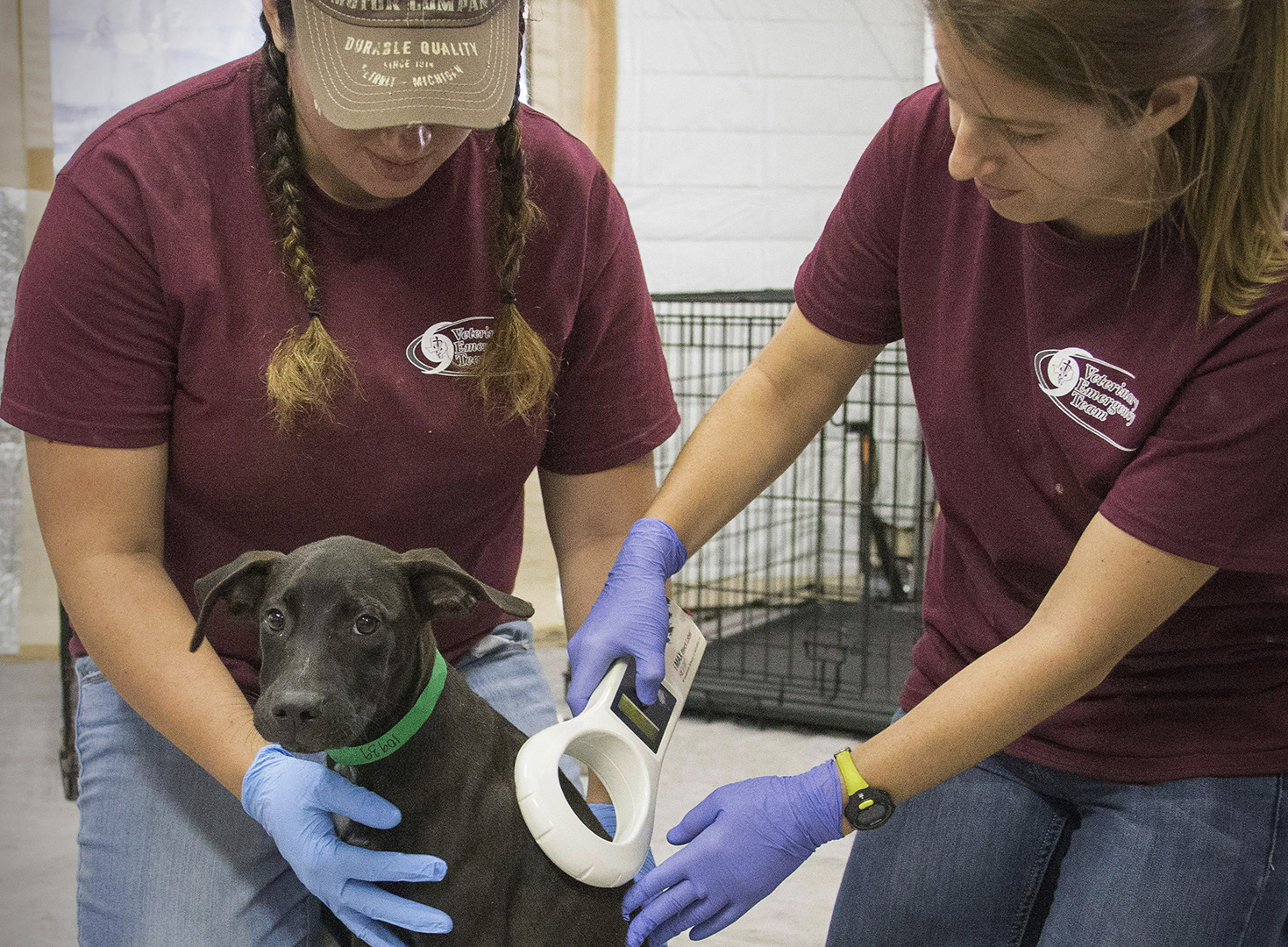
In the chaos of a tornado or a flood, separations happen. Fences break, windows shatter, and pets panic. Statistics from the American Veterinary Medical Association (AVMA) are staggering: microchipped pets are returned to their owners over 52 percent of the time, compared to just 21 percent for those without. However, a microchip is only a piece of silicon unless the data attached to it is current.
Dr. Bissett points out that many animals are ‘chipped but not registered.’ You must log into the manufacturer’s database and ensure your current cell phone number and an out-of-area emergency contact are listed. During a regional disaster, local phone lines may be down, so having a contact in another state can be a lifesaver. Additionally, your pet should always wear a collar with an ID tag that includes your phone number, even if they are indoor-only animals.
Evacuation Logistics: Knowing Where to Go
One of the hardest lessons learned during Hurricane Katrina was that many human shelters do not allow pets. While the PETS Act now requires local governments to include pets in their evacuation plans, specialized pet-friendly shelters fill up fast. Never leave your pet behind. If it isn’t safe for you, it isn’t safe for them. Pets left behind in disasters often perish from exposure, starvation, or contaminated water.
Research ‘pet-friendly’ hotels along your evacuation route and keep a list in your emergency binder. Many hotel chains waive ‘no-pet’ policies during declared emergencies, but you should verify this in real-time. If you have exotic animals, your options may be even more limited. Reach out to local zoos, exotic animal rescues, or specialized veterinary clinics to see if they offer emergency boarding services for non-traditional pets.
Managing Stress and Behavioral Changes Post-Disaster
Animals are incredibly intuitive. They pick up on our adrenaline and fear. Even after the physical danger has passed, the ‘psychological devastation’ Dr. Bissett mentions can manifest in many ways. You might notice your dog becoming unusually clingy, your cat hiding for days, or your bird plucking feathers. This is a normal reaction to an abnormal situation.
Try to maintain a routine as much as possible. Feed them at the same time, use familiar commands, and provide a ‘safe zone’—a quiet corner with their bed where they won’t be disturbed. Avoid scolding them for ‘accidents’ in the house; their house-training may temporarily lapse due to the extreme stress. Patience is your most valuable tool during the recovery phase.
People Also Ask: Pet Emergency FAQ
Where should I take my pet if I have to evacuate?
Your first choice should be the home of a friend or family member outside the danger zone. Failing that, look for pet-friendly hotels or designated emergency pet shelters set up by your local municipality or animal control.
Can I leave my pet at home with extra food and water?
No. Disasters are unpredictable. Fires can change direction, floods can rise higher than expected, and structures can collapse. Leaving a pet behind often results in tragedy and makes it harder for rescue teams who then have to risk lives to save abandoned animals.
How do I prepare my exotic pets for a power outage?
For reptiles and amphibians that require heat, keep hand warmers or ‘UniHeat’ packs on hand (ensure they aren’t in direct contact with the animal to avoid burns). For aquatic pets, battery-operated air pumps are essential to maintain oxygen levels in the water.
Should I tranquilize my pet before evacuating?
Only do this under the direct advice of a veterinarian. While it may seem like it would help, sedation can interfere with an animal’s ability to regulate its body temperature or breathe properly, which can be dangerous in a high-stress, variable-temperature environment.
Expert Verdict: The Peace of Mind is Worth the Effort
In the world of animal care, there is no such thing as being ‘too prepared.’ The time, money, and effort you spend today creating a disaster plan are an investment in your pet’s future. Dr. Bissett and the Veterinary Emergency Team have seen firsthand the heartbreak that occurs when families are separated from their companions. By microchipping, training for travel, and assembling a robust emergency kit, you aren’t just being a responsible owner—you are being a hero for a creature that cannot help itself.
To wrap it all up, remember the three ‘P’s: Plan, Pack, and Practice. Take 15 minutes this weekend to walk through an evacuation drill. See how long it takes to get everyone in their carriers. Those 15 minutes could be the reason you are all still together when the storm passes. Stay safe, stay prepared, and hug your furry friends a little tighter tonight.


