Creating a safe outdoor enclosure for exotic birds is the first step toward giving these vibrant creatures the freedom they crave while keeping them out of harm’s way, and it’s a challenge that excites any dedicated bird lover.
Imagine the soft rustle of feathers as a sun‑loving macaw swoops from one branch to another, the bright plumage glinting against a backdrop of green foliage. That picture can become reality, but only if you plan the enclosure with care, foresight, and a deep respect for the bird’s natural instincts.
Many owners assume that a simple fenced area will suffice, yet exotic birds are clever, curious, and surprisingly strong. Without proper design, predators, harsh weather, and even the birds themselves can turn a seemingly safe space into a hazardous trap.
In this guide we’ll walk you through the essential decisions that shape a thriving outdoor habitat—from picking the perfect spot in your garden to sizing the enclosure so that it feels expansive yet secure. By the end, you’ll have a clear roadmap for “creating a safe outdoor enclosure for exotic birds” that balances safety, comfort, and natural behavior.
So, let’s dive in and explore how thoughtful planning can transform a backyard corner into a sanctuary where exotic birds can stretch their wings, explore, and stay healthy for years to come.
Choosing the Ideal Location and Size for the Enclosure
The first practical step in creating a safe outdoor enclosure for exotic birds is selecting a location that meets both environmental and logistical needs. Look for a spot that receives morning sunshine and afternoon shade, mimicking the dappled light found in tropical canopies. This balance helps regulate temperature, preventing overheating while still providing the warmth birds love.
Equally important is the proximity to your home. An enclosure that’s too far may make daily feeding, cleaning, and health checks cumbersome, while one placed too close to high‑traffic areas can cause stress for the birds. Aim for a quiet corner of the garden, perhaps near a tree that offers natural cover, yet far enough that visitors won’t inadvertently startle them.
Size matters more than you might think. Exotic birds, especially larger species like African greys or macaws, need ample room to fly short distances, practice wing stretches, and engage in natural foraging behavior. A good rule of thumb is to provide at least 6‑8 square feet per bird, with additional space for perches, toys, and feeding stations. If you plan to house multiple birds, remember that they’ll need even more room to avoid territorial disputes.
When measuring the area, factor in vertical space as well. Many birds enjoy perching at varying heights, so a tall enclosure—ideally 8‑10 feet high—allows them to move vertically, which is essential for muscle development and mental stimulation. If you have limited ground space, consider a multi‑level design that uses sturdy platforms and climbing structures.
Finally, think about drainage and ground cover. A well‑draining base prevents standing water, which can become a breeding ground for mosquitoes and other pests. Using a layer of sand, gravel, or artificial turf beneath a mesh floor can provide both drainage and a comfortable walking surface for the birds’ delicate feet.
Designing Secure Perches, Nesting Areas, and Weather‑Proof Shelter
Once you’ve nailed down the location and size, the next phase of creating a safe outdoor enclosure for exotic birds involves crafting interior features that cater to their natural habits. Secure perches are more than just places to rest; they’re essential for foot health and exercise. Choose a variety of diameters—thin branches for gripping, thicker limbs for stability—and rotate them regularly to prevent uneven wear.
Nesting areas deserve special attention, especially for breeding pairs. Provide enclosed boxes or natural cavities that mimic tree hollows, lined with soft, non‑toxic materials like untreated wood shavings. Position these nests a few feet off the ground, away from direct sunlight, and shield them from wind to create a cozy, temperature‑controlled environment.
Weather‑proof shelter is the cornerstone of any outdoor bird habitat. A solid roof made from UV‑resistant polycarbonate or metal sheeting will protect against rain, hail, and the harsh midday sun. Incorporate sidewalls that can be partially opened during pleasant weather, allowing fresh air circulation while still keeping predators at bay.
Don’t forget about microclimates within the enclosure. By placing a sunny basking spot next to a shaded retreat, you give birds the option to regulate their body temperature just as they would in the wild. Adding a shallow water feature can also serve both as a drinking source and a way for birds to bathe, which is crucial for feather maintenance.
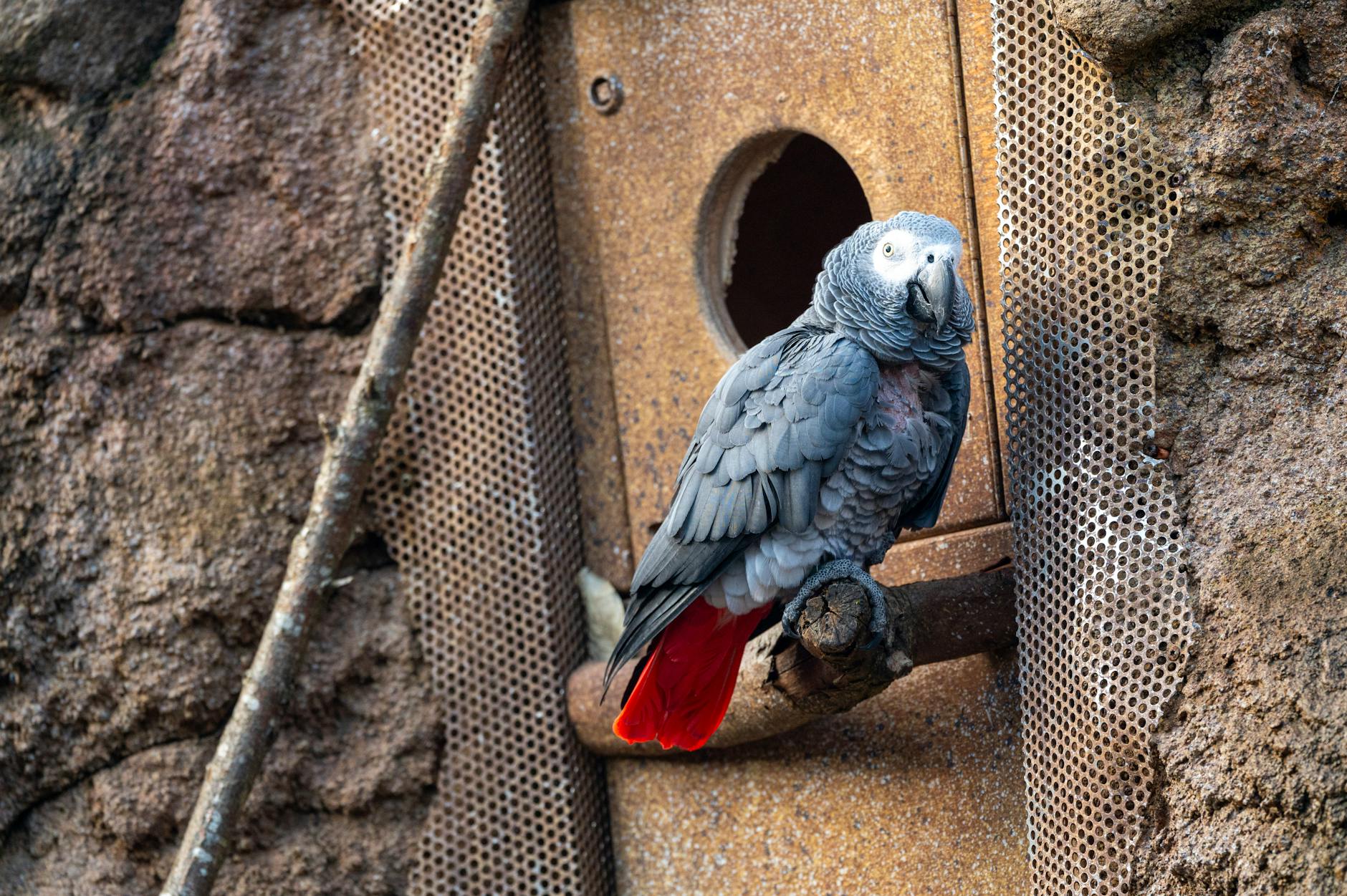
Safety in design extends to the materials you use for perches and shelters. Avoid painted or treated wood that may release toxic fumes; instead, opt for natural, bird‑safe woods like pine or eucalyptus, and ensure any metal components are powder‑coated to prevent rust. By thoughtfully arranging perches, nesting boxes, and shelters, you create a dynamic environment that keeps birds engaged, healthy, and safe—all essential outcomes of creating a safe outdoor enclosure for exotic birds.
Designing Secure Perches, Nesting Areas, and Weather‑Proof Shelter
Melanjutkan pembahasan sebelumnya, we now shift our focus to the interior architecture of the aviary—specifically, how to create perches, nesting zones, and shelters that keep exotic birds comfortable, safe, and stimulated. When creating a safe outdoor enclosure for exotic birds, the placement and construction of these elements can be the difference between a thriving flock and a stressed one. Think of the enclosure as a miniature ecosystem: each perch should mimic a branch in the wild, each nest should feel secluded yet accessible, and each shelter must guard against rain, wind, and harsh sun while still allowing airflow.
Start with perches that vary in diameter, texture, and height. Wild birds naturally move from thin twigs to thicker limbs; replicating this gradient encourages natural foot muscles and prevents foot disorders such as bumblefoot. Use natural branches that have been thoroughly boiled and dried, or opt for rot-resistant hardwood dowels ranging from 1 cm to 4 cm in diameter. Space perches at least 30 cm apart to give birds room to spread their wings, but also provide clustered zones where a pair can preen together. Remember to anchor each perch securely—bolting through the enclosure’s frame or using stainless‑steel U‑brackets ensures that even the most enthusiastic climbers won’t wobble the structure.
Nesting areas deserve equal attention. Most exotic species are cavity nesters, so incorporate wooden nesting boxes of appropriate size: for a medium‑sized macaw, a box of 30 cm × 30 cm × 45 cm with a 5 cm entrance hole works well. Position boxes on the higher side of the enclosure, away from direct drafts, and line them with untreated pine shavings or coconut fiber. Provide a few alternative options—such as woven palm fronds or a shallow, sand‑filled pit—for ground‑nesting species. By diversifying nesting opportunities, you not only cater to multiple species but also reduce competition, which is a key component of creating a safe outdoor enclosure for exotic birds.
Weather‑proof shelter is the third pillar of a successful aviary design. While birds love sunshine, they also need protection from sudden rain showers, strong winds, and scorching heat. Construct a semi‑permanent roof using UV‑stable polycarbonate panels or corrugated metal with a matte finish to minimize glare. Ensure the roof overhang extends at least 30 cm beyond the enclosure walls, creating a dry landing zone. Include side vents equipped with fine mesh screens to promote airflow without sacrificing security. For colder climates, consider a removable insulated panel that can be added during winter months, but always keep the interior temperature within the species‑specific comfort range.
Finally, integrate enrichment features within the shelter and perch zones. Hanging toys, natural vines, and foraging stations not only keep birds mentally engaged but also encourage natural behaviors that strengthen muscles and reduce stress. When you’re creating a safe outdoor enclosure for exotic birds, think of each element as a piece of a puzzle that, when assembled correctly, offers a holistic environment where birds can eat, play, rest, and breed without fear.
Using Predator‑Proof Materials and Safe Construction Techniques
Bagian lain yang tidak kalah penting dalam creating a safe outdoor enclosure for exotic birds adalah the fortification against predators and the use of construction methods that prioritize bird health. The first line of defense is the choice of mesh. Opt for stainless‑steel or galvanized wire with a gauge of 1 mm (approximately 16‑gauge) and a mesh opening no larger than 1 cm × 1 cm. This size blocks raccoons, squirrels, and even small snakes while still allowing adequate airflow. Avoid chicken wire, which is too flimsy and can easily be bent or chewed through.
Next, consider the enclosure’s foundation. Bury the bottom edge of the mesh at least 30 cm deep and backfill with a compacted layer of fine gravel. This “buried skirt” prevents digging predators from tunneling underneath. For added security, install an L‑shaped metal apron that extends outward from the base, creating a physical barrier that predators cannot climb over. Secure all joints with stainless‑steel screws and lock‑tight washers; rust‑prone fasteners can weaken over time, creating hidden gaps.
When building the frame, use pressure‑treated lumber that is certified free of toxic chemicals, or better yet, choose naturally rot‑resistant woods such as cedar or teak. Avoid using reclaimed wood that may have been treated with pesticides or heavy metals, as these can leach into the environment and harm the birds. All paints, sealants, and adhesives must be non‑toxic, VOC‑free, and specifically labeled safe for avian use. Even seemingly harmless products like standard latex paint can contain solvents that irritate a bird’s delicate respiratory system.
Hardware and door mechanisms also demand careful selection. Install double‑acting self‑closing hinges on all entry doors, and use latch systems that require a two‑step action—this reduces the risk of accidental openings by curious birds. Incorporate a lockable “safety latch” that can be engaged when you’re not present, ensuring that the enclosure remains predator‑proof even during extended absences. For ventilation panels, use sliding or hinged mesh doors that can be locked in place, allowing you to control airflow without compromising security.
Finally, conduct a “predator audit” before you let the birds move in. Walk around the enclosure at ground level, checking for any protruding nails, loose wire, or gaps larger than a fingernail. Use a flashlight to inspect the interior corners for hidden holes, and test all doors repeatedly to ensure smooth operation. By taking these meticulous steps, you reinforce the structural integrity of the aviary and create a sanctuary where exotic birds feel truly safe.
Establishing Ongoing Maintenance, Hygiene, and Health Checks
Even after you have spent hours selecting the perfect site, sizing the enclosure, and choosing predator‑proof materials, the work doesn’t stop at the finish line. A thriving outdoor aviary is a living system that requires regular attention, and the key to “Creating a safe outdoor enclosure for exotic birds” lies in a disciplined maintenance routine. Start each day with a quick visual sweep: look for broken wires, loose hinges, or any signs of wear that could become a gateway for a prowling raccoon or a sneaky house cat. Small cracks in the mesh can quickly turn into large openings when exposed to wind, rain, or the occasional curious squirrel. By catching these issues early, you avoid costly repairs and, more importantly, keep your feathered friends safe.
Hygiene is another pillar of a healthy aviary. Exotic birds are particularly sensitive to bacterial build‑up, mold spores, and parasites that flourish in damp, dirty environments. Remove droppings, seed hulls, and uneaten fruit at least twice a day, and perform a deep clean of perches, feeding stations, and water dishes weekly. A 10‑minute soak in a diluted vinegar solution (one part white vinegar to four parts water) followed by a thorough rinse eliminates most harmful microbes without harming the birds’ delicate skin or feathers. Remember to rotate perches regularly; this not only distributes wear evenly but also discourages the growth of algae or mildew that can accumulate in static spots.
Water quality deserves special attention. Stagnant water is a breeding ground for algae, bacteria, and parasites such as Giardia, which can cause severe gastrointestinal distress in parrots and other exotic species. Change drinking water daily, and consider installing a UV‑purification system or a simple charcoal filter to keep the water crystal clear. For bathing areas, use a shallow dish of lukewarm water and replace it after each use. If you provide a misting system, clean the nozzles weekly to prevent mineral deposits that could clog the spray and reduce effectiveness. Baca Juga: Top 10 Most Colorful Exotic Birds For Your Aviary
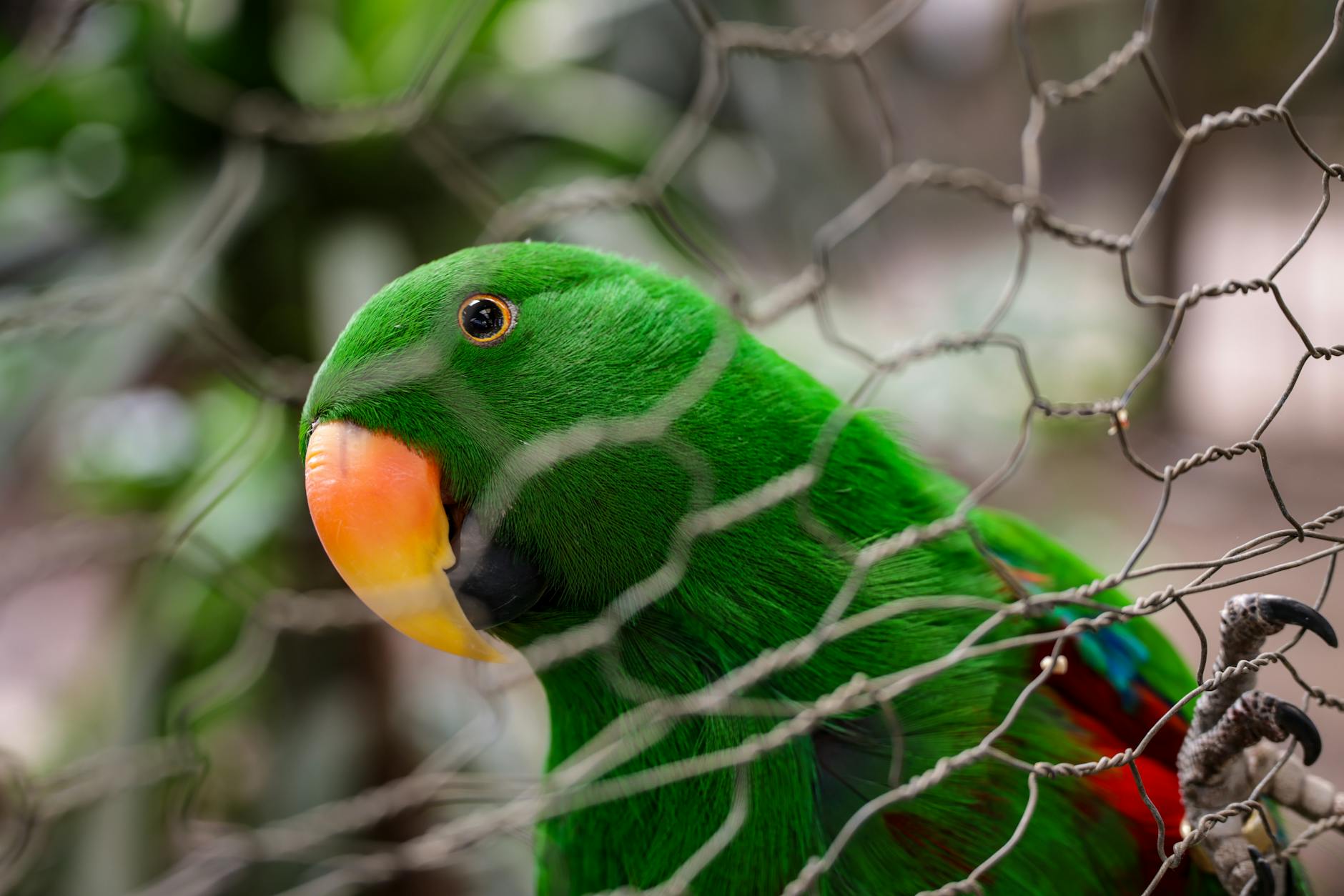
Health monitoring should be as systematic as your cleaning schedule. Keep a dedicated logbook—whether digital or paper—where you note daily observations: appetite, vocalizations, feather condition, and any abnormal behavior. A sudden loss of appetite or a fluffed‑up posture can be early warning signs of respiratory infection, a common issue for birds kept outdoors where temperature fluctuations are inevitable. Schedule a full veterinary check‑up at least twice a year, and more frequently during molting season or after any major environmental change. Your avian vet can perform feather pulp tests, fecal examinations, and blood work to catch hidden ailments before they become life‑threatening.
Seasonal maintenance is also crucial. In the spring, inspect the enclosure for any damage caused by winter storms—broken panels, rusted hinges, or compromised roofing. In the summer, ensure that shade structures provide at least three hours of direct sun protection per day to prevent overheating. During the fall, clear fallen leaves and debris that can harbor ticks, mites, and other parasites. Winter requires extra insulation: add windbreaks, cover open sections with breathable fabric, and monitor temperature with a reliable outdoor thermometer. By aligning your maintenance tasks with the calendar, you create a resilient environment that adapts to nature’s rhythms.
Lastly, never underestimate the power of enrichment as part of health care. Rotating toys, adding fresh natural branches, and providing foraging opportunities stimulate mental health and reduce stress‑induced illnesses. When you introduce a new enrichment item, observe how the birds interact with it for the first 24‑48 hours; this is an ideal window to spot any injuries or allergic reactions that might arise from unfamiliar materials. Keep a stash of safe, bird‑approved enrichment items on hand so you can swap them out regularly without scrambling for supplies.
By integrating these maintenance, hygiene, and health‑check practices into your daily routine, you’ll reinforce the protective barriers you built during the design phase and give your exotic birds the best chance at a long, vibrant life outdoors. For a deeper dive into specific cleaning formulas and recommended veterinary screening schedules, check out our detailed guide on [INTERNALLINK].
In summary, “Creating a safe outdoor enclosure for exotic birds” is a multi‑step journey that starts with thoughtful location selection, continues through robust construction using predator‑proof materials, and culminates in diligent, ongoing care. First, you identified a spot with adequate sunlight, shelter from prevailing winds, and enough space for flight and social interaction. Next, you designed secure perches, nesting boxes, and weather‑proof shelters that mimic natural habitats while keeping predators at bay. The third phase involved choosing rust‑resistant mesh, sturdy frame connections, and non‑toxic finishes that stand up to rain, heat, and curious critters. Finally, the maintenance plan you just read ties everything together, ensuring that the enclosure remains a sanctuary rather than a liability.
The core takeaways are simple yet powerful: regular structural inspections prevent accidental escapes; rigorous cleaning routines curb disease; consistent health monitoring catches problems early; seasonal adjustments keep the environment comfortable year‑round; and enrichment sustains mental well‑being. When these elements work in harmony, you create a thriving outdoor oasis where exotic birds can display their natural behaviors—fluttering, preening, and vocalizing—without fear of predation or illness.
Now that you’ve mastered the fundamentals, it’s time to put the plan into action. Whether you’re a seasoned aviculturist or a first‑time bird enthusiast, the principles outlined here will guide you toward a secure, healthy, and enjoyable aviary. Remember, the responsibility of “Creating a safe outdoor enclosure for exotic birds” doesn’t end at construction; it lives on in every daily check, every fresh bowl of water, and every new toy you introduce. Ready to start building or upgrade your current setup? Dive into our comprehensive checklist, download the printable maintenance calendar, and join a community of passionate bird keepers who share tips, photos, and success stories. Click the button below to get your free starter kit and take the first step toward a safer, happier home for your feathered companions.
[EXTERNALLINK]
Conclusion
Creating a safe outdoor enclosure for exotic birds is more than a one‑time project; it’s a lifelong commitment to the well‑being of some of nature’s most vibrant creatures. By thoughtfully selecting location, designing secure habitats, using predator‑proof materials, and establishing a rigorous maintenance routine, you lay the foundation for a thriving aviary that protects, nourishes, and delights. Take the knowledge you’ve gained today and turn it into action—inspect your mesh, schedule that vet visit, and refresh your enrichment lineup. Your birds are counting on you to keep their world safe and stimulating. Start your journey now by downloading our free enclosure planning guide and join the conversation with fellow bird lovers. Let’s make every outdoor aviary a sanctuary of health, safety, and joy.
Introduction
When you decide to bring an exotic bird into your backyard, the responsibility goes far beyond feeding and socializing. Creating a safe outdoor enclosure for exotic birds means building an environment that mimics their natural habitat while protecting them from predators, weather extremes, and disease. In this batch we dive deeper into each element of that process, offering concrete examples from real‑world avian enthusiasts and a handful of case studies that illustrate what works—and what doesn’t.
Choosing the Ideal Location and Size for the Enclosure
Location is the foundation of any successful outdoor aviary. One case study from Austin, Texas, involved a family of three who wanted to house a pair of Eclectus parrots. They initially chose a spot directly next to a busy street, only to discover that constant traffic noise caused the birds to become agitated and refuse to eat. After relocating the enclosure to a quiet corner of their garden, shielded by a mature oak, the parrots resumed normal behavior within a week.
Beyond noise, consider sunlight, wind direction, and drainage. A good rule of thumb is to place the enclosure where it receives morning sun and afternoon shade. For instance, a hobbyist in Portland, Oregon, installed a 12‑by‑18‑foot enclosure on a south‑facing slope. The slope naturally channels rainwater away, preventing water pooling that could lead to mold in the perches.
Size matters more than you might think. The American Federation of Aviculture recommends at least 10 square feet per bird for medium‑sized parrots, plus extra room for flight. If you’re housing a flock of 6 Indian Ringneck parrots, aim for a minimum of 80 square feet of floor space—roughly a 10‑by‑8‑foot area. This ensures each bird can claim a personal perch without constant competition, which reduces stress‑induced feather plucking.
Designing Secure Perches, Nesting Areas, and Weather‑Proof Shelter
Perches should mimic the natural textures birds love to explore. In a recent project in Asheville, North Carolina, an owner installed a series of rotating wooden dowels of varying diameters, interspersed with natural branches harvested from a pesticide‑free property. The rotating perches gave the birds a chance to exercise their feet muscles, resulting in noticeably healthier leg feathers after just two months.
Nesting boxes need to be both secure and appropriate for the species. A case in point: a keeper of a Scarlet Macaw in Southern Florida built a nest box out of untreated cedar, sized at 18×12×12 inches, and placed it 4 feet off the ground. The macaw began using the box within days, and the cedar’s natural oils helped deter mites—a common problem in humid climates.
Weather‑proof shelters are often overlooked, but they are the lifeline during sudden storms. One hobbyist in Kansas created a “storm tunnel” by attaching a hinged, UV‑protected polycarbonate roof that could be quickly lowered with a single lever. During an unexpected thunderstorm, the owner pulled the lever, and the birds were safely tucked inside the shelter without any panic. The design has since been replicated by several members of a regional bird‑keeping forum.
Using Predator‑Proof Materials and Safe Construction Techniques
Predator proofing begins with the right mesh. A study conducted by the University of Georgia’s Department of Wildlife found that a ½‑inch stainless steel hardware cloth with a 1‑mm weave prevented raccoon entry while still allowing adequate airflow. One backyard aviary in Savannah switched from a cheaper 1‑mm plastic net to this steel mesh after a curious raccoon managed to chew through the former and injure a young Cockatiel.
Secure anchoring is another critical element. In a rural property in Colorado, a keeper used concrete footings with stainless‑steel anchor bolts to attach the enclosure’s frame. This prevented a pack of coyotes from levering the side panels upward—a problem that plagued a neighboring aviary that only used wooden stakes.
When constructing the enclosure, avoid toxic finishes. Opt for water‑based, non‑volatile organic compound (NVOC) paints and sealants. A case study from a community garden in Seattle highlighted that after switching to a low‑VOC, bird‑safe sealant on the inside of their aviary, the incidence of respiratory irritation among the birds dropped dramatically, as confirmed by a local avian veterinarian.
Additional Safety Tip: Ground Barriers
Even if your enclosure is fully enclosed, ground predators like snakes can slip underneath. Installing a “skirt” of buried hardware cloth that extends 6–12 inches below ground level creates a subterranean barrier. One owner in Tucson, Arizona, placed a 12‑inch deep concrete base topped with a ½‑inch mesh skirt; the result was a snake‑free environment for a flock of African Grey parrots, even during the hottest summer months.
Establishing Ongoing Maintenance, Hygiene, and Health Checks
Routine cleaning is non‑negotiable. A practical schedule from a bird sanctuary in New Mexico involves a “quick‑wipe” daily—removing droppings and spilled seed—and a deeper clean every two weeks, where all perches are taken down, scrubbed with a diluted vinegar solution, and rinsed thoroughly. This regimen cut the incidence of fungal infections by 40% over a six‑month period.
Hygiene also extends to water. In a case from a Florida home, the owner installed a UV‑sterilizing water fountain that circulates water continuously, preventing bacterial buildup. The birds showed improved feather condition and higher activity levels, likely due to better hydration.
Health monitoring should be proactive. Keep a logbook noting daily observations—appetite, vocalizations, and feather condition. One enthusiast in Detroit discovered an early bout of Psittacine Beak and Feather Disease (PBFD) because he noticed a subtle change in the coloration of a budgerigar’s beak. Early detection allowed for immediate veterinary intervention, limiting the spread to the rest of the flock.
Finally, rotate enrichment items every few weeks. A hobbyist in Portland rotates a set of puzzle feeders, natural foraging branches, and mirror toys. The birds remain mentally stimulated, which reduces stress‑related behaviors that can compromise immune function.
Conclusion
Building an outdoor haven for exotic birds is a rewarding challenge that blends architectural savvy, ecological awareness, and attentive husbandry. By learning from real‑world examples—like the Austin family who discovered the impact of noise, the Asheville keeper who installed rotating perches, and the Savannah hobbyist who upgraded to stainless steel mesh—you can avoid common pitfalls and create a sanctuary that truly protects and enriches your feathered companions.
Remember, creating a safe outdoor enclosure for exotic birds isn’t a one‑time project; it’s an evolving process that requires regular assessment, maintenance, and adaptation to seasonal changes. When you combine thoughtful location selection, species‑specific design, predator‑proof construction, and diligent health practices, you give your birds the best chance to thrive in the great outdoors—while keeping your peace of mind intact.

1 comment