For many of us, a home doesn’t truly feel like a home until there is a cold nose or a gentle purr waiting at the door. Having an animal in your living space provides far more than mere companionship; pets often serve as our primary emotional anchors in an increasingly chaotic world. Whether it is a wagging tail that greets you after a grueling day at the office or the rhythmic, calming vibration of a cat that helps lull you into a restful sleep, these interactions are not just pleasant—they are transformative. We often instinctively feel that our animals make us happier, but the depth of this bond goes much further than simple affection. In recent years, researchers have delved deep into the neurobiology of the human-animal bond, revealing that our pets are, in many ways, natural healers that help recalibrate our nervous systems and foster long-term psychological resilience.
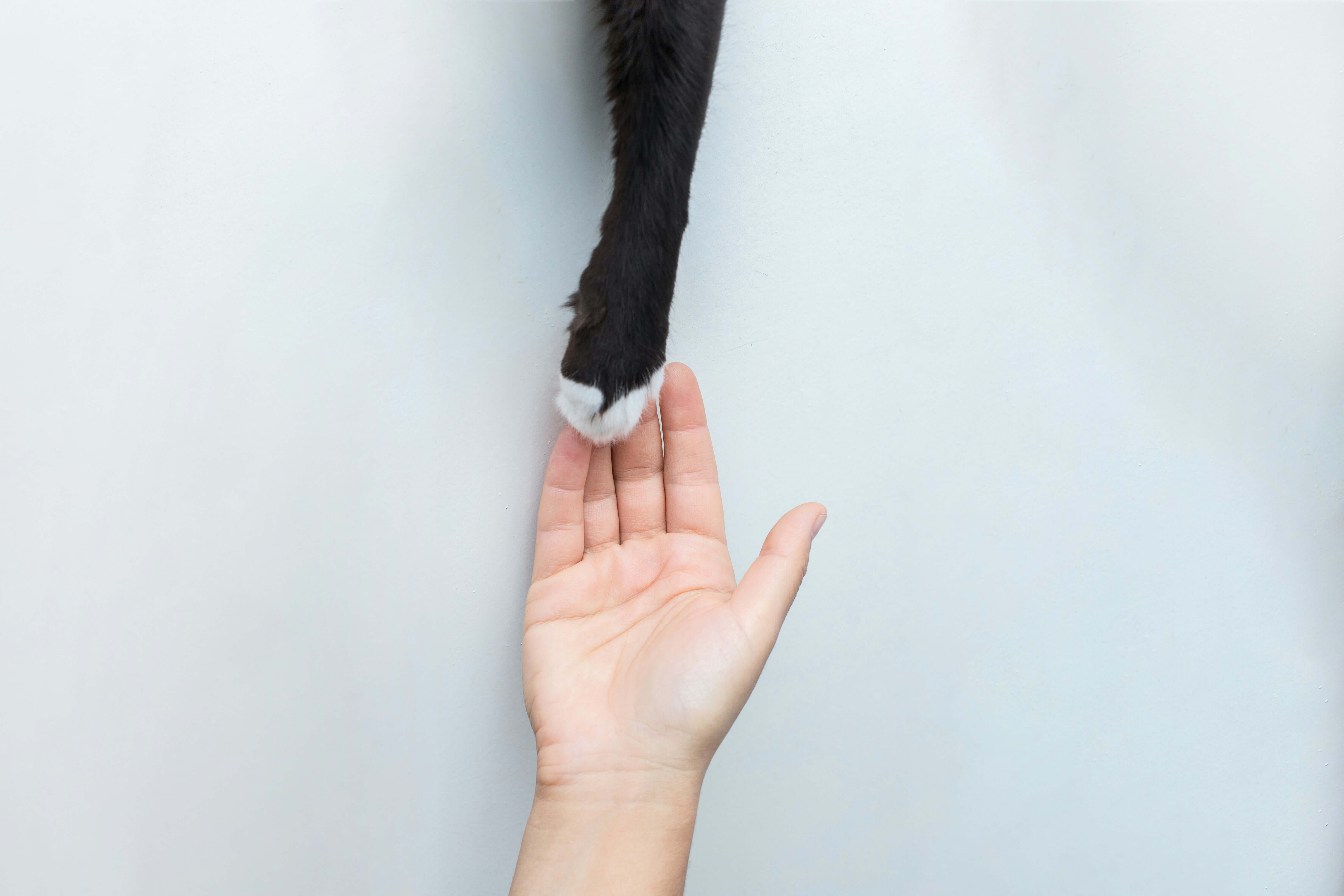
The Biological Blueprint: Cortisol, Oxytocin, and the Chemistry of Calm
While we have known for centuries that animals provide comfort, modern science now provides the data to back it up. One of the most significant findings in recent psychobiology is the impact of animal interaction on cortisol, the body’s primary stress hormone. High levels of cortisol are linked to a host of physical and mental health issues, including chronic anxiety, weight gain, and weakened immune systems. A landmark 2019 study by Washington State University demonstrated that as little as ten minutes of petting a dog or cat resulted in a significant reduction in salivary cortisol levels. This suggests that the mere presence of a pet can act as a physiological reset button for our stress response.
However, the reduction of stress is only half of the story. Stroking an animal also triggers the release of oxytocin, often referred to as the “love hormone” or “cuddle chemical.” This is the same hormone that facilitates bonding between a mother and her infant. When you gaze into your dog’s eyes or cuddle with your cat, your brain releases a surge of oxytocin into your bloodstream, instantly promoting feelings of trust, relaxation, and empathy. This chemical exchange is reciprocal; studies have shown that the animals themselves experience a similar oxytocin spike, confirming that the bond is a two-way street of emotional benefit. This neurochemical synchronization is why pets are increasingly being utilized in clinical settings to treat post-traumatic stress disorder (PTSD) and acute anxiety.
The Role of Emotional Support Animals (ESAs) in Modern Therapy
For individuals grappling with more severe mental health challenges, the role of a pet often shifts from a beloved companion to a formally recognized medical necessity. Emotional Support Animals (ESAs) are now widely acknowledged by mental health professionals as vital components of a comprehensive treatment plan. Unlike service animals that are trained for specific tasks, ESAs provide therapeutic support through their presence alone. To obtain official ESA status, owners must work with a licensed mental health professional or a reputable emotional support animal company to document the need for the animal. This legal status can be life-changing, providing access to housing that typically enforces “no pet” policies, thereby ensuring that individuals are not forced to choose between a stable home and their mental well-being.
Case Study: Pets and the Loneliness Epidemic
According to 2023 data from the Human Animal Bond Research Institute (HABRI), 85% of pet owners report that their animals significantly reduce feelings of isolation. Consider the case of “Project Canine,” a pilot program in urban centers that paired senior citizens with rescue dogs. The results showed a 40% decrease in reported loneliness among participants within the first six months. For those living alone or navigating the complexities of remote work, a pet provides a consistent “social presence” that mimics human interaction, breaking the silence of an empty house and providing a sense of being “needed.”
Exercise, Endorphins, and the Power of Routine
Mental health is inextricably linked to physical health, and pets are the ultimate personal trainers. It is well-documented that exercise releases endorphins, our body’s natural mood elevators. Yet, finding the motivation to exercise while dealing with depression or lethargy can feel impossible. This is where the “pet effect” becomes a practical tool for recovery. Dogs require daily walks regardless of the weather or your mood, effectively removing the element of indecision from your morning routine. This forced activity ensures that owners get regular cardiovascular exercise and fresh air, both of which are critical for maintaining a balanced mood.
Beyond the physical exertion, pets introduce a necessary structure to our daily lives. For someone struggling with a mental health disorder, the simple act of having to feed, groom, or play with an animal at specific times can provide a grounding sense of purpose. This routine creates a scaffolding for the day, helping to prevent the aimless “drifting” that often exacerbates feelings of depression. The responsibility of caring for another living being fosters a sense of accomplishment and self-worth that is foundational to psychological recovery.
Mindfulness and the Art of Living in the Moment
Perhaps the most profound lesson our pets teach us is the practice of mindfulness. Animals do not dwell on the mistakes of the past or worry about the deadlines of the future; they live entirely in the “now.” When you watch a cat bask in a patch of sunlight or observe a dog’s pure, unadulterated joy over a game of fetch, you are witnessing a masterclass in presence. Engaging with your pet encourages you to set aside your digital devices and mental to-do lists to focus on the tactile sensation of fur, the sound of a purr, or the visual cue of a wagging tail. This forced mindfulness helps break the cycle of rumination—the repetitive negative thinking that fuels anxiety and depression.
Expert Verdict: A Holistic Necessity
After reviewing the clinical data and real-world outcomes through 2024, the verdict from the psychological community is clear: pet ownership is one of the most effective non-pharmacological interventions available for improving mental health. While they are not a substitute for professional therapy or medication, pets act as a biological buffer against the stresses of modern life. They provide unconditional love, social facilitation, and a physiological sense of safety that is difficult to replicate through other means. For anyone looking to improve their emotional resilience, the inclusion of a pet in the household is a scientifically sound investment in long-term happiness.
Frequently Asked Questions (FAQ)
- Can any pet be an Emotional Support Animal? Yes, any domesticated animal—including cats, dogs, rabbits, or even birds—can qualify as an ESA as long as a licensed professional confirms that their presence alleviates symptoms of a mental health condition.
- What if I live in a small apartment? Small animals like cats or older, lower-energy dogs can thrive in apartments. The mental health benefits come from the quality of the bond, not the size of the living space.
- Does science prove that pets help with depression? Yes, multiple studies show that pet ownership increases dopamine and serotonin levels, while the routine of caregiving provides a sense of purpose that combats depressive symptoms.
- How long do I need to spend with my pet to see benefits? Research suggests that even short bursts of interaction (10-15 minutes) can significantly lower stress markers like cortisol.
- Are there benefits for children with ADHD or Autism? Absolutely. Pets can help children with ADHD learn routine and responsibility, while the sensory experience of petting an animal can be incredibly grounding for children on the autism spectrum.
Conclusion
Our pets are more than just animals we share a roof with; they are essential partners in our journey toward better mental health. From the molecular level of oxytocin release to the practical benefits of daily exercise and social connection, the science is undeniable: the human-animal bond is a powerful catalyst for healing. By providing us with a sense of purpose, a reason to move, and a masterclass in mindfulness, our pets return the love we give them tenfold. If you are looking to support your well-being, look no further than the loyal companion at your feet.


