Bringing a dog into your home is more than just a commitment to providing food and shelter; it is the beginning of a complex, lifelong relationship that requires a shared language. Whether you have just adopted a rambunctious puppy or brought home a shy rescue, the foundation of a successful life together is consistent, positive training. In 2024, data from the American Pet Products Association suggests that over 65 million U.S. households own a dog, yet a significant percentage of these pets are surrendered to shelters due to manageable behavioral issues. Training is not merely about teaching ‘tricks’ for entertainment; it is a vital tool for safety, mental health, and social harmony. By investing time in structured learning, you aren’t just teaching commands—you are providing your dog with the cognitive tools they need to navigate a human-centric world with confidence and joy.
1. Establishing Reliable Communication and Good Behavior
One of the primary reasons to prioritize training is to establish a clear line of communication. A well-behaved dog is one that understands expectations. Training teaches your pet to recognize and respond to commands like sit, stay, and wait, which are the building blocks of a peaceful household. Without this structure, dogs may resort to ‘self-taught’ behaviors such as jumping on guests, stealing food from counters, or incessant barking.
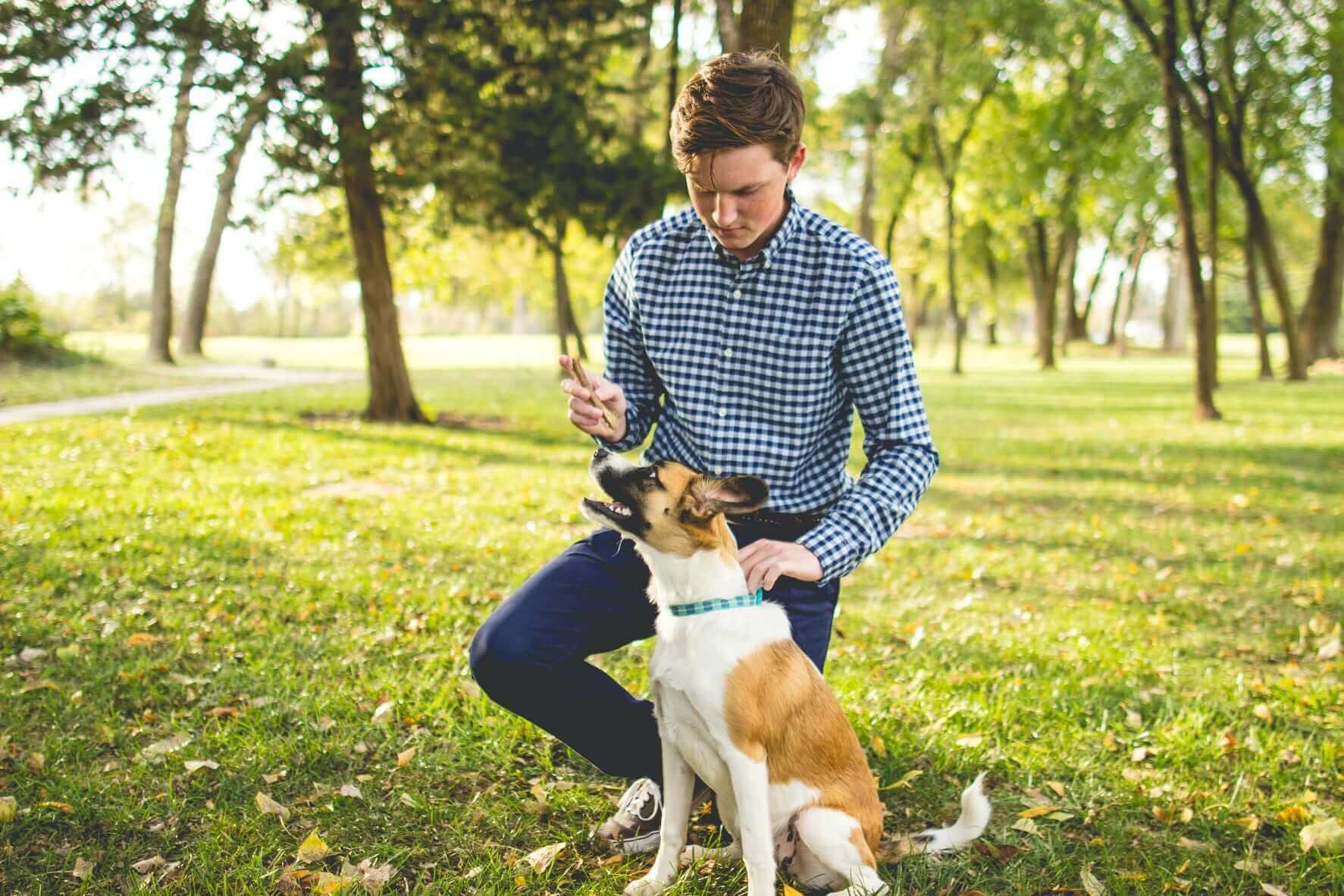
Modern canine science emphasizes the power of positive reinforcement. This methodology relies on rewarding desired behaviors with treats, praise, or play, rather than punishing mistakes. Research has shown that dogs trained with reward-based methods learn faster and retain information longer than those trained with aversive techniques. When a dog anticipates a positive outcome, they become active participants in the learning process, making them significantly easier to manage as they age.
2. Crate Training: Providing a Den of Security
Crate training is often misunderstood as a form of confinement, but when done correctly, it provides your dog with a ‘den’—a personal sanctuary where they can retreat when feeling overwhelmed. In the wild, canines are den animals, seeking out small, enclosed spaces for safety. A crate replicates this instinctual need.
To successfully crate train, you must move in incremental steps. Start by feeding meals inside the crate with the door open, allowing your dog to associate the space with high-value rewards. Experts suggest that a crate-trained dog is far less likely to suffer from separation anxiety, as they have a dedicated place to relax. Furthermore, crate training is an essential safety measure for travel and emergency situations, ensuring your pet is secure in a vehicle or at a veterinarian’s office.
3. Boosting Canine Confidence and Mental Well-being
Confidence is a cornerstone of a stable temperament. Positive reinforcement training acts as a massive confidence builder, particularly for dogs that are naturally timid or have a history of neglect. When a dog successfully performs a task and receives a reward, their brain releases dopamine, reinforcing their sense of accomplishment.
Recent studies in veterinary behaviorism indicate that punishment-based training can lead to ‘learned helplessness’ or increased aggression. Responding to a dog with anger or frustration creates a cycle of fear. Conversely, a training program built on trust encourages the dog to look to their owner for guidance in uncertain situations. For a fearful rescue dog, learning a simple ‘touch’ or ‘target’ command can be the first step toward overcoming a lifetime of trauma.
4. Life-Saving Safety and the Power of Recall
Safety is perhaps the most critical practical application of training. A dog that lacks a reliable recall (coming when called) is at high risk of accidents. Whether it is a gate left ajar or a leash that snaps, a dog that ignores their owner’s call may run into traffic or toward an aggressive animal. In fact, a 2023 survey of pet owners revealed that 1 in 3 pets will go missing at some point in their lifetime; a strong recall is often the only thing standing between a close call and a tragedy.
Teaching a ‘stop’ or ’emergency recall’ command minimizes risk in high-stakes environments. It ensures that even if your dog is distracted by prey or a tempting scent, they will prioritize your voice. This level of control is essential for anyone wishing to enjoy off-leash activities or hiking in public spaces.
5. Mitigating Destructive Habits and Anxiety
Many ‘bad’ behaviors are actually symptoms of boredom or underlying anxiety. Dogs often chew furniture, dig up gardens, or shred pillows because they lack mental stimulation. Training provides a ‘job’ for your dog, which is especially important for high-energy working breeds like Border Collies or Shepherds.
Signs of canine distress include:
- Panting and pacing even when cool.
- Whining or excessive vocalization.
- Repetitive behaviors (like tail chasing).
- Destructive chewing of household items.
Integrating daily training sessions—even just 15 minutes a day—can significantly reduce these behaviors. By challenging their minds with food puzzles, new tricks, or scent work, you tire them out mentally, which is often more effective than physical exercise alone.
6. Seamless House Training and Hygiene
House training is the first hurdle for most new owners. Puppies, much like human infants, have limited bladder control. A structured training routine prevents accidents and reduces the stress associated with indoor ‘messes.’ Utilizing positive reinforcement means celebrating every successful outdoor bathroom break with enthusiastic praise.
A consistent schedule—taking the dog out after eating, sleeping, and playing—helps them understand where it is appropriate to go. Experts advise against ‘scolding’ a dog for an accident after the fact; dogs do not have the cognitive link to associate a past mess with current anger. Instead, a focus on rewarding the right behavior builds a faster, more reliable habit.
7. Socialization: Navigating the World Peacefully
A trained dog is a social dog. Socialization is the process of exposing your dog to new people, environments, and other animals in a controlled, positive way. The ‘critical socialization window’ for puppies is typically between 3 and 16 weeks of age, but training can help older dogs improve their social skills as well.
A well-socialized dog is less likely to react with fear or aggression when encountering a cyclist, a child, or another dog. This makes life significantly more enjoyable for the owner, as the dog can accompany them to pet-friendly cafes, parks, and on vacations. Training classes are an excellent venue for this, providing a safe environment to practice neutrality around distractions.
8. Strengthening the Human-Canine Bond
At its core, training is about the bond. Dogs are social animals that thrive on interaction with their ‘pack.’ When you train your dog, you are spending focused, quality time together. This builds a foundation of loyalty and mutual respect. A 2024 study on the ‘oxytocin loop’ between humans and dogs found that eye contact and shared tasks during training sessions increase levels of the ‘bonding hormone’ in both species.
This bond is particularly helpful for managing separation anxiety. A dog that trusts their owner and understands the routine is more likely to feel secure when left alone, knowing that their leader will return. Training transforms a dog from a ‘pet’ into a true partner.
Expert Review and Verdict
According to leading animal behaviorists, the shift toward 100% positive reinforcement training is the most significant advancement in pet care over the last decade. The verdict is clear: training is not an optional extra; it is a fundamental requirement for a healthy dog. It prevents the behavioral issues that lead to shelter surrenders and ensures that the dog remains a welcome member of the community. Experts recommend starting as early as possible, but emphasize that ‘you can always teach an old dog new tricks’ provided you use the right motivators.
Frequently Asked Questions (FAQ)
When should I start training my puppy?
You can begin basic training as early as 8 weeks old. While young puppies have short attention spans, they are like sponges for learning basic commands and socialization habits.
How long should training sessions be?
Short, frequent sessions are best. Aim for 5 to 15 minutes, two or three times a day. This keeps the dog engaged without causing mental fatigue.
What if my dog is too old to learn?
It is a myth that older dogs cannot learn. While it may take more patience to ‘unlearn’ old habits, senior dogs often have better focus than puppies and can find great joy in the mental stimulation of learning new things.
Is professional training better than at-home training?
Both have value. At-home training builds your personal bond, but professional classes offer controlled socialization and expert guidance for stubborn behaviors.
Conclusion
Dog training is an investment that pays dividends for the rest of your pet’s life. From ensuring their safety through a reliable recall to boosting their confidence via positive reinforcement, every session brings you closer to a harmonious household. By understanding that training is a form of love and communication, you set your furry friend up for a life of happiness, security, and adventure. Start today—your dog will thank you for it.


