We have all heard it: that rhythmic click-click-click on the hardwood floors. For many pet owners, that sound is the first alarm bell signaling that it is time for the dreaded nail trim. As a long-time exotic pet enthusiast and blogger, I have spent years working with everything from energetic Labradors to delicate conures and sensitive guinea pigs. I know firsthand that nail maintenance is rarely the favorite part of anyone’s weekend. However, shifting our perspective from seeing nail care as a ‘chore’ to viewing it as a fundamental pillar of animal welfare can change the lives of our companions. Proper nail care isn’t about aesthetics; it is about skeletal alignment, comfort, and the long-term mobility of the animals we love.
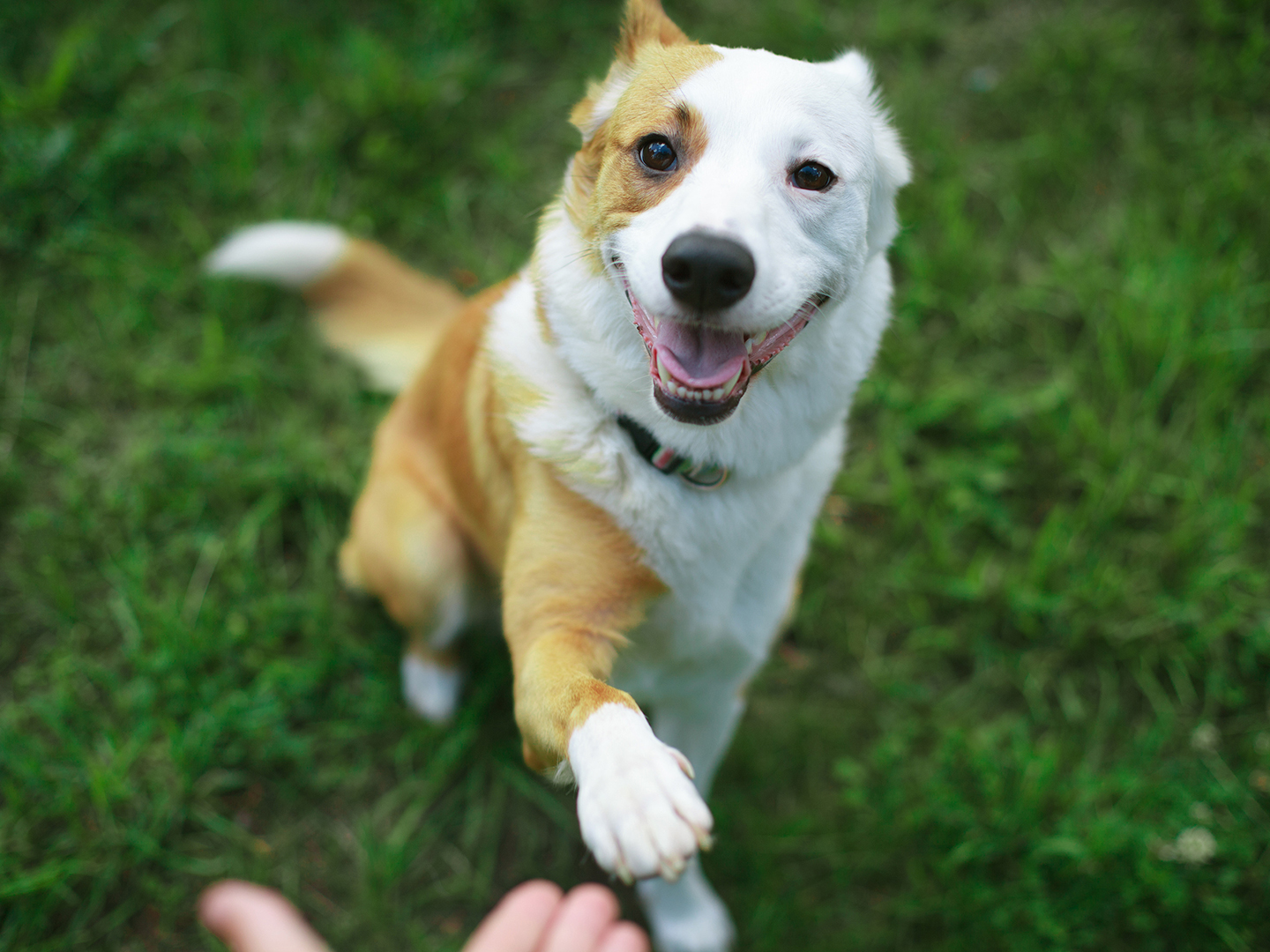
The Biological Importance of Regular Nail Maintenance
In the wild, animals naturally wear down their nails through constant movement over varied terrain. A wolf might travel miles over rocky soil, while a wild cat climbs trees and traverses rough bark. Our domestic friends, however, spend most of their time on soft carpets, manicured lawns, or smooth tiles. This lack of natural abrasion means the nails continue to grow unchecked. When a dog or cat’s nails become too long, they change the way the paw interacts with the ground. Instead of the paw pad absorbing the weight, the nail hits the ground first, pushing the nail back into the nail bed or forcing the foot to splay at an unnatural angle.
This misalignment doesn’t just cause paw pain; it travels up the leg. Over time, overgrown nails can lead to arthritis, joint compensation, and even tendon damage. For older pets, this can be the difference between a happy walk and a painful struggle to stand. Beyond physical health, there is also the issue of general wellness. Ensuring your pet is healthy from head to toe—including providing the right vitamins and nutrients—is essential for maintaining the strength of their claws and overall vitality.
Understanding the Anatomy: Respecting the Quick
The biggest hurdle for most owners is the fear of ‘quicking’ their pet—cutting into the living part of the nail. The quick is the internal blood supply and nerve ending that runs through the center of the nail. In light-colored nails, it looks like a faint pink line. In black nails, it is virtually invisible from the outside, which is why many owners find the process so intimidating.
The fascinating (and frustrating) thing about the quick is that it grows with the nail. If you allow a pet’s nails to grow very long, the quick follows. This means you cannot simply cut a long nail back to a short length in one go without causing bleeding and significant pain. However, there is a silver lining: regular, small trims cause the quick to naturally recede over time. By trimming just a tiny bit every week or two, you can safely bring a neglected nail back to a healthy length without ever causing a drop of blood.
Choosing Your Tools: Clippers, Guillotines, and Grinders
Not all tools are created equal, and the right choice depends heavily on your pet’s size and temperament. As an expert, I always recommend having a few options in your grooming kit:
- Scissor Clippers: These look like small, heavy-duty scissors with notched blades. They are excellent for cats, small dogs, and exotic small mammals.
- Guillotine Clippers: These have a hole that the nail passes through; when you squeeze the handle, a blade slides across. These provide great leverage for medium-sized dogs but can be tricky to line up perfectly.
- Grinding Trimmers (Dremels): Instead of cutting, these sand the nail down. This is the gold standard for many because it rounds the edges and allows you to get very close to the quick with less risk of a sudden ‘snip.’
Regardless of the tool, ensuring it is sharp is paramount. A dull blade crushes the nail rather than cutting it, which is painful for the animal. Just as we prioritize regular dental maintenance for pets to prevent systemic issues, keeping your grooming tools in top shape is a sign of a responsible caregiver.
A Step-by-Step Guide to Stress-Free Trimming
If your pet runs under the bed the moment they see the clippers, you need to hit the reset button. Forcing an anxious animal into a nail trim only reinforces their fear and increases the risk of injury. Instead, try this progressive desensitization method:
Step 1: The Paw Massage
Spend a few days just touching your pet’s feet. Don’t bring out the clippers yet. Gently rub their toes and pads while they are relaxing. Offer high-value treats so they associate paw handling with positive rewards.
Step 2: Introduction to the Tool
Place the clippers on the floor and let your pet sniff them. Place a treat on top of the clippers. Once they are comfortable with the object, try touching the clippers to their foot without actually cutting. If using a grinder, turn it on in the other room so they get used to the vibration and sound.
Step 3: The ‘One Nail’ Rule
You don’t have to do all twenty nails at once. In fact, for a nervous pet, doing one nail per day is a victory. Trim one nail, give a massive reward (like a piece of chicken or their favorite toy), and then stop. This keeps the experience short, successful, and stress-free.
Nail Care for the Exotic and Small: Guinea Pigs and More
While dogs and cats get most of the attention, our smaller friends need just as much care. I have always held a special place in my heart for the smaller critters—especially when celebrating the delightful world of guinea pigs. Small mammals have nails that can grow in a corkscrew fashion if neglected, leading to pododermatitis (bumblefoot) or broken toes. For these delicate animals, use specialized small-animal clippers and ensure you have a solid ‘burrito’ wrap with a towel to keep them feeling secure and prevent them from wiggling mid-clip.
People Also Ask: Common Nail Care Questions
How do I trim black nails without hitting the quick?
The safest way to trim black nails is to look at the cross-section of the nail after each small snip. When you are in the ‘dead’ part of the nail, it will look dry or powdery. As you get closer to the quick, the center of the nail will start to look darker, moist, or like a small black dot (the ‘pulp’). That is your signal to stop.
My pet’s nail is bleeding! What do I do?
Don’t panic. Even pros hit the quick occasionally. Keep styptic powder (like Kwik Stop) nearby. If you don’t have that, cornstarch or flour can work in a pinch. Apply firm pressure with the powder for a full minute, and the bleeding should stop. Apologize with a treat, and try again tomorrow.
How often should I trim?
For most pets, every 4 to 6 weeks is the sweet spot. However, if you are trying to ‘push back’ long quicks, a tiny trim every week is more effective. If you can hear the nails on the floor, it is officially time.
Expert Verdict: The Secret is Patience
In my years of animal husbandry, I have found that the biggest mistake owners make is rushing the process. Animals are incredibly intuitive; if you are tense and rushing to ‘get it over with,’ they will match your energy with anxiety. Take a deep breath, prepare your treats, and remember that you are doing this because you love them. A pet that can walk comfortably and play without pain is a happy pet.
Summary of Key Takeaways
- Health over Aesthetics: Overgrown nails lead to joint pain and skeletal issues.
- Desensitize Slowly: Use treats and touch to make paw-handling a positive experience.
- Respect the Quick: Trim small amounts frequently to allow the blood supply to recede.
- Use Sharp Tools: Choose the right clipper for your pet’s size and keep the blades sharp.
- Be Prepared: Always have styptic powder on hand to stop accidental bleeding.
By following these steps, you can transform the way you and your pet handle grooming. It may take time—weeks or even months for the most fearful animals—but the bond you build through patient, compassionate care is well worth the effort. Happy trimming!


