Bringing a new dog into your home is an exhilarating journey, yet it often comes with a steep learning curve for both the owner and the animal. In 2024, the philosophy of canine education has shifted from the outdated “dominance” models toward a more nuanced, science-based approach focused on communication and mutual respect. Training is no longer just about getting a dog to listen; it is about building a cognitive bridge that allows your pet to thrive in a human-centric world. Whether you are dealing with a rambunctious puppy or a senior rescue, the importance of dog training cannot be overstated, as it serves as the foundation for a safe, stress-free life together. By utilizing positive reinforcement and consistent schedules, you are not just teaching tricks—you are providing your dog with the mental stimulation they crave and the safety parameters they need to navigate modern environments successfully.
The Modern Philosophy of Dog Training: Positive Reinforcement
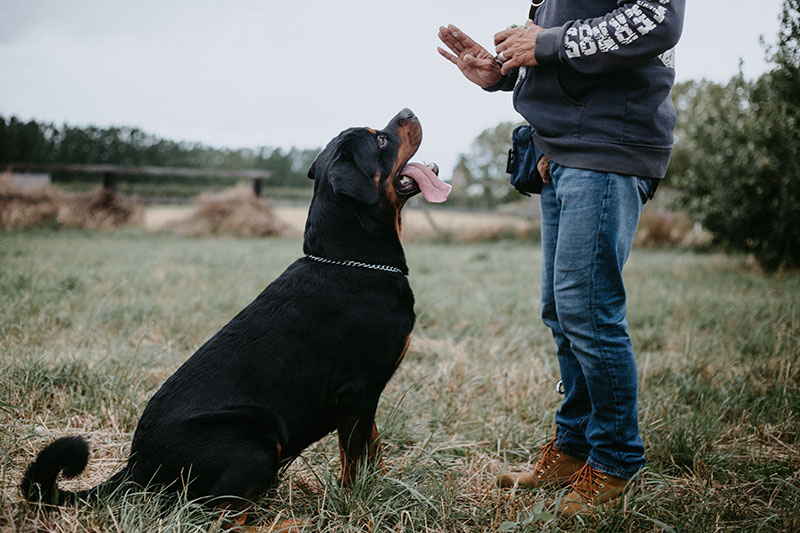
In the past decade, the veterinary and behavioral communities have reached a consensus: reward-based training is the most effective and humane way to shape canine behavior. This method, known as positive reinforcement, involves rewarding the dog for desired behaviors while ignoring or redirected undesired ones. Data from behavioral studies in 2023 suggest that dogs trained with rewards show significantly lower levels of cortisol (the stress hormone) and higher levels of engagement compared to those trained with aversive methods. While most dogs are highly food-motivated, positive reinforcement can also include verbal praise, physical affection, or access to favorite toys. The key is identifying what your specific dog values most. When you use the essential tools for training, such as clickers and high-value treats, you create a “paycheck” system that encourages your dog to keep working.
Timing and Consistency: The Secret Sauce
Success in training depends heavily on the handler’s timing. Dogs live in the moment; if you reward a “sit” ten seconds after the dog has already stood back up, they will be confused about what earned the treat. Professional trainers recommend keeping sessions short—ideally 10 to 15 minutes—to prevent mental fatigue. Consistency across the household is equally vital. If one family member allows the dog on the couch while another forbids it, the dog’s progress will stall. Establishing a unified language and set of rules is one of the many reasons why dog training is so important for maintaining harmony in multi-person households.
Choosing Your Training Path: From Apps to Group Classes
The digital age has revolutionized how we train our pets. Today, pet parents have access to a wealth of resources ranging from AI-driven training apps to one-on-one virtual consultations with animal behaviorists. These tools are excellent for self-paced learning and allow owners to work in a distraction-free environment—their own living room. However, there is still immense value in traditional obedience programs. Group classes provide a controlled environment for socialization, which is critical for a dog’s development. Exposure to different breeds, people, and smells helps prevent reactivity and fear-based aggression later in life. Implementing modern puppy socialization strategies alongside formal training ensures a well-rounded and confident adult dog.
The “Big Five”: Essential Commands for Every Dog
While there are hundreds of tricks you can teach, five core commands form the backbone of a well-behaved pet. These commands are not just about manners; they are vital safety tools.
1. Sit
The “Sit” command is the fundamental building block of all training. It is often the first behavior a puppy learns and acts as a “reset” button for an overexcited dog. To teach this, hold a treat near your dog’s nose and slowly move your hand up and back over their head. As their nose follows the treat, their bottom will naturally lower. The moment their rear touches the floor, say “Yes!” or click and provide the reward. Repeat this until the physical lure is no longer needed and they respond to the verbal cue alone.
2. Leave It
Perhaps the most important safety command, “Leave It” can prevent your dog from swallowing toxic food, picking up hazardous debris, or engaging with an aggressive animal. Start by holding a treat in a closed fist. Your dog will likely sniff or lick your hand; wait until they pull away even for a second. Reward that moment of disengagement. Progress to placing a treat on the floor and covering it with your foot. The goal is for the dog to understand that ignoring the “forbidden” item leads to a better reward from you.
3. Down
The “Down” command is more than just a posture; it is a submissive, relaxed state. Because it requires the dog to be in a more vulnerable position, it can take longer to master than “Sit.” Lure your dog from a sitting position by moving a treat straight down to the floor between their paws. Once their chest touches the ground, reward them. This command is particularly useful in public spaces, like outdoor cafes, where you need your dog to settle for extended periods.
4. Stay
“Stay” is a test of self-control. It is a life-saving command if your dog is about to run into a busy street or a dangerous situation. Start with your dog in a sit or down position. Open your palm toward them and say “Stay.” Take one small step back. If they remain still for three seconds, return to them and reward. Gradually increase the distance and the duration. In real-world scenarios, a solid “Stay” allows you to manage emergencies—like a child falling or a spilled container of glass—without the dog interfering.
5. Come (Recall)
A reliable recall is the hallmark of a well-trained dog. To make “Come” fun, turn it into a game of hide-and-seek. Have a partner hold the dog while you hide in another room, then call them in an enthusiastic tone. When they find you, throw a “treat party.” Never use the “Come” command to call your dog for something they dislike (like a bath or nail trim), as this creates negative associations. You want your dog to believe that coming to you is the best thing that could happen in their day.
Expert Review: The 2024 Verdict on Canine Education
Expert animal behaviorists emphasize that training is an ongoing dialogue, not a destination. Recent data from 2024 indicates that dogs who participate in regular training sessions—even just five minutes a day—have a 40% lower risk of being surrendered to shelters. The consensus is clear: a combination of early socialization, positive reinforcement, and consistent mental engagement creates the most stable domestic environment. Training strengthens the human-animal bond, transforming a pet into a true partner in your daily life.
Frequently Asked Questions (FAQ)
- How old should a puppy be when training starts? You can start basic training as early as 7 to 8 weeks. While formal classes usually require vaccinations to be complete, you can begin “Sit” and “Come” in your home immediately.
- Can you teach an old dog new tricks? Absolutely. While senior dogs may have less stamina, they often have better focus than puppies. Training provides vital mental stimulation for aging brains.
- What if my dog isn’t motivated by treats? Some dogs are “toy-motivated” or “praise-motivated.” Use a favorite ball or a vigorous ear scratch as the reward instead of food.
- How long does it take for a dog to be fully trained? There is no set timeline. Basic commands can be learned in weeks, but reliability under high-distraction environments (like a busy park) can take months of consistent practice.
- Should I use a clicker? Clickers are highly recommended because they provide a distinct, consistent sound that “marks” the exact moment your dog does something right, removing the ambiguity of human speech.
Conclusion
Training your dog is one of the most rewarding investments you will ever make. It transforms a relationship based on guesswork into one based on clear communication and trust. By mastering the five basic commands and staying committed to positive reinforcement, you ensure that your pup is not just a pet, but a well-mannered member of society. Remember, the goal is not perfection, but progress. Keep your sessions light, your praise high, and your treats ready—the bond you build today will last a lifetime.


