As anyone who has shared their home with a delicate bearded dragon, a spirited African Grey, or even a classic golden retriever knows, our pets are not just animals—they are members of the family whose health and well-being weigh heavily on our hearts. When a pet becomes ill, the emotional toll can be overwhelming. We often find ourselves hanging on every word our veterinarian says, hoping for a clear path to recovery. However, as veterinary medicine continues to advance at a breakneck pace, the options for care have expanded far beyond what was possible even a decade ago. Today, seeking a second opinion is not just a sign of a cautious owner; it is a hallmark of a proactive and responsible advocate for animal welfare. Understanding when and how to seek additional perspectives can be the difference between a long, healthy life and a missed opportunity for specialized care.
The Evolving Landscape of Modern Veterinary Medicine
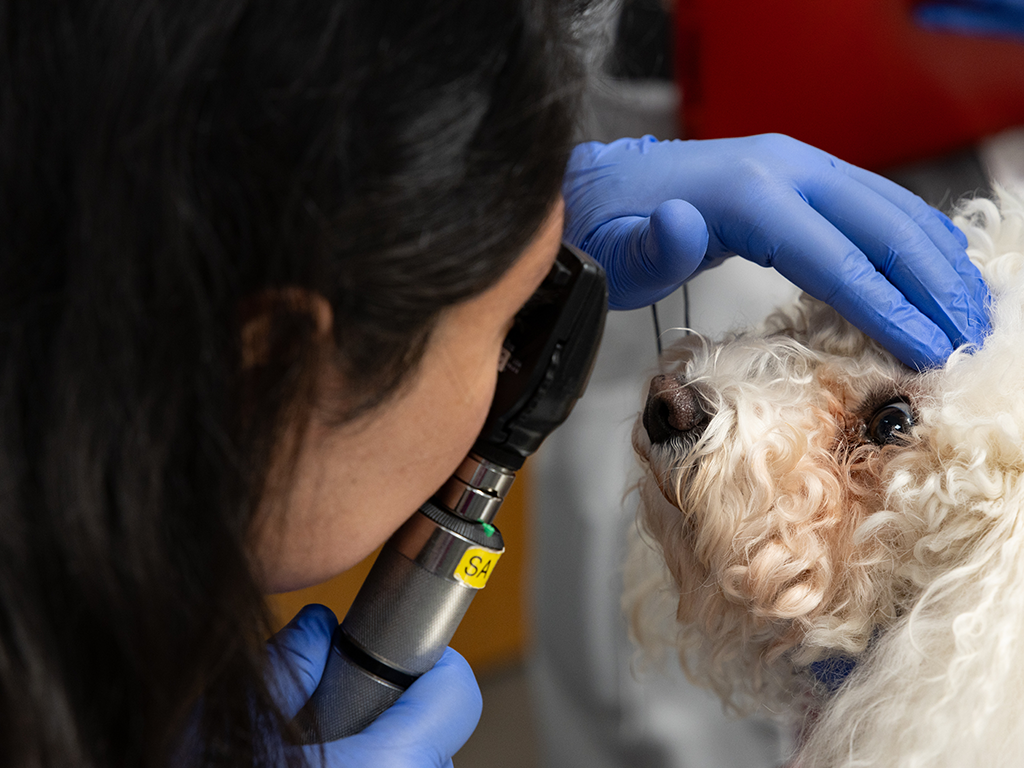
Veterinary medicine is currently experiencing a technological renaissance. From advanced imaging like 3D CT scans and high-field MRIs to minimally invasive laparoscopic surgeries and targeted chemotherapy, the tools available to modern vets are staggering. This evolution means that there is rarely a single “correct” way to manage a complex health condition. Instead, there are often multiple pathways, each with its own set of benefits, risks, and financial considerations. According to Dr. Andrew Bugbee, a clinical associate professor at Texas A&M, this diversity in care is exactly why a second opinion is so valuable. Two highly skilled professionals might look at the same set of symptoms and offer two different, yet equally valid, treatment plans. This allows you, the pet owner, to choose the route that best aligns with your lifestyle and your pet’s specific needs.
Why Different Perspectives Matter
In the world of exotic pet care especially, specialized knowledge is at a premium. A general practitioner might be excellent at treating common canine ailments but may have less experience with the nuanced metabolic needs of a reptile or the fragile respiratory system of a bird. A second opinion provides a safety net, ensuring that every possible angle has been considered. It’s about building a comprehensive picture of your pet’s health. Sometimes, a fresh set of eyes can spot a subtle detail that was previously overlooked, or they might suggest a newer diagnostic test that wasn’t available at the first clinic. This is particularly true when dealing with vague symptoms that don’t clearly point to a single diagnosis.
Identifying the Right Time for a Second Opinion
Knowing when to seek another perspective is a critical skill for any pet parent. While we all want to trust our primary vet, there are certain scenarios where a second opinion is not just helpful, but necessary. Knowing the critical warning signs your pet needs an urgent vet visit is often the first step, but what happens when those visits don’t yield clear results? If your pet has been undergoing treatment for several weeks without improvement, or if a diagnosis remains elusive despite multiple tests, it is time to look elsewhere. Hesitation in these moments can lead to serious complications from delayed pet visits, which can make the ultimate prognosis much more difficult.
When Surgery is on the Table
Major surgical procedures are another prime time for a second opinion. Surgeries involving the spine, complex fractures, or internal organ removals carry significant risks. A second surgeon might offer a different technique—perhaps one that is less invasive or has a shorter recovery period. Furthermore, getting a second opinion can confirm that surgery is indeed the best option, giving you the confidence you need to move forward with a difficult decision. This peace of mind is invaluable when you are responsible for a life that cannot speak for itself.
The Specialist Advantage: Going Beyond General Care
General practitioners are the backbone of the veterinary world, but they are exactly that: generalists. When a condition involves the heart, the nervous system, or the complex world of cancer, a specialist is often required. Specialists, such as veterinary cardiologists or oncologists, have spent years focusing on one specific area of medicine. They have access to specialized equipment and are often more familiar with the latest research and clinical trials. For example, if a primary vet finds a suspicious lump, a veterinary oncologist can use advanced tools to determine the exact stage of the cancer and tailor a treatment plan that might include options the general vet wasn’t even aware of. This “team approach” is the gold standard of modern pet care.
Collaborative Care as a Partnership
Dr. Bugbee emphasizes that second opinions should be viewed as a partnership rather than a challenge. Your primary veterinarian is often the one who will initiate a referral because they want the best for your pet. They remain a crucial part of the care team, handling the day-to-day management while the specialist focuses on the complex intervention. This collaborative spirit ensures that your pet receives 360-degree care, combining the deep history your primary vet has with your pet and the cutting-edge expertise of the specialist.
Navigating the Conversation with Your Current Veterinarian
One of the biggest hurdles pet owners face is the fear of offending their current veterinarian. It’s important to remember that true professionals value the health of the patient above all else. Most vets actually appreciate having another expert weigh in on a tough case. To make the process smoother, be open and honest. You might say, “I really value your care, but because this diagnosis is so complex, I’d like to get a second opinion just to make sure I’m exploring all the options for my pet.” For many, the logistical stress is a barrier, so utilizing expert strategies for stress-free vet visits can make the second opinion process much easier for both you and your animal companion.
Preparing for the Consultation
When you do seek a second opinion, being prepared is key. Ensure all medical records, blood work results, and imaging files are sent to the new veterinarian ahead of time. This prevents redundant testing, which saves you money and spares your pet unnecessary stress. Keep a detailed timeline of your pet’s symptoms, diet, and behavior changes. The more information you can provide, the more effective the second opinion will be.
People Also Ask: Common Concerns About Second Opinions
Will my veterinarian be upset if I ask for a second opinion?
No, most veterinarians view second opinions as a standard part of high-quality medical care. In fact, many welcome the additional input on complex cases. A professional veterinarian’s primary goal is the health of your pet, not their own ego.
How do I choose the right vet for a second opinion?
Look for board-certified specialists if the issue is specific (like a heart condition). If you are looking for a general second opinion, ask friends for recommendations or look for clinics that have advanced diagnostic capabilities. Your current vet can often recommend a colleague they trust.
Is a second opinion worth the extra cost?
While there is an upfront cost for the consultation, a second opinion can often save you money in the long run by preventing ineffective treatments or unnecessary procedures. It ensures that the money you are spending is going toward the most effective care possible.
What if the two opinions are completely different?
If you receive conflicting advice, don’t panic. Ask both veterinarians to explain the reasoning behind their recommendations. You can also ask them to speak with each other. Often, a discussion between the two professionals can lead to a synthesized plan that takes the best of both perspectives.
Expert Verdict: The Power of Informed Advocacy
In my years of working with exotic and domestic pets, I have seen firsthand how a second opinion can change the trajectory of a pet’s life. It isn’t about doubting your vet; it’s about being an active participant in your pet’s healthcare. Whether you are dealing with a senior dog’s chronic illness or a reptile’s mysterious lethargy, having more information is always better than having less. Veterinary medicine is a team sport, and as the pet owner, you are the team captain. Trusting your instincts and seeking clarity is the most loving thing you can do for your animal friend.
Actionable Conclusion: Your Next Steps
If you find yourself feeling uncertain about your pet’s current treatment plan, follow these steps to empower your decision-making: First, talk openly with your current vet about your desire for more clarity. Second, gather all medical records to avoid repeat costs. Third, seek out a specialist if the condition is localized to one organ system. Finally, remember that you are your pet’s voice. By seeking out a “purr-spective” shift, you are ensuring they receive the best care the modern world has to offer. Don’t wait until a situation becomes dire—clarity today leads to a healthier tomorrow.


