As pet parents, we often think of our furry, feathered, or scaled companions as having the ‘easy life.’ They have no bills to pay, no deadlines to meet, and their meals are served like clockwork. However, as anyone who has ever seen a dog tremble at the sound of a vacuum cleaner or a cat vanish into thin air at the sight of a travel carrier knows, our pets experience stress just as acutely as we do. In my years of working with various species—from energetic Labradors to sensitive exotic birds—I have learned that stress is not just a psychological state; it is a profound physiological challenge that can impact every aspect of an animal’s health. Understanding the silent language of anxiety is the first step in ensuring our companions live a truly high-quality life, free from the crushing weight of chronic cortisol elevation.
The Biological Impact of Chronic Stress in Pets
When we talk about stress in animals, we aren’t just talking about a ‘bad mood.’ Just like with people, when pets experience chronic stress, their bodies react with a complex chemical cascade. This includes a significant rise in cortisol levels, an increased heart rate, and elevated blood pressure. Over time, these physiological shifts take a heavy toll. A pet living in a state of constant high alert will inevitably suffer from a weakened immune system, making them far more susceptible to infections and chronic illnesses that a healthy animal would easily fight off.
Furthermore, stress often manifests through physical fluctuations that might seem unrelated at first, such as sudden changes in weight or a dulling of the coat or feathers. In more sensitive exotic species, stress can even lead to self-mutilating behaviors or ‘shutting down’ entirely. Recognizing these signs your dog is experiencing anxiety or your cat is feeling threatened is crucial to preventing long-term damage. It is our responsibility as caregivers to act as their advocates, bridging the gap between their silent suffering and the peace they deserve.
Common Triggers: Why Our Pets Feel Unsafe
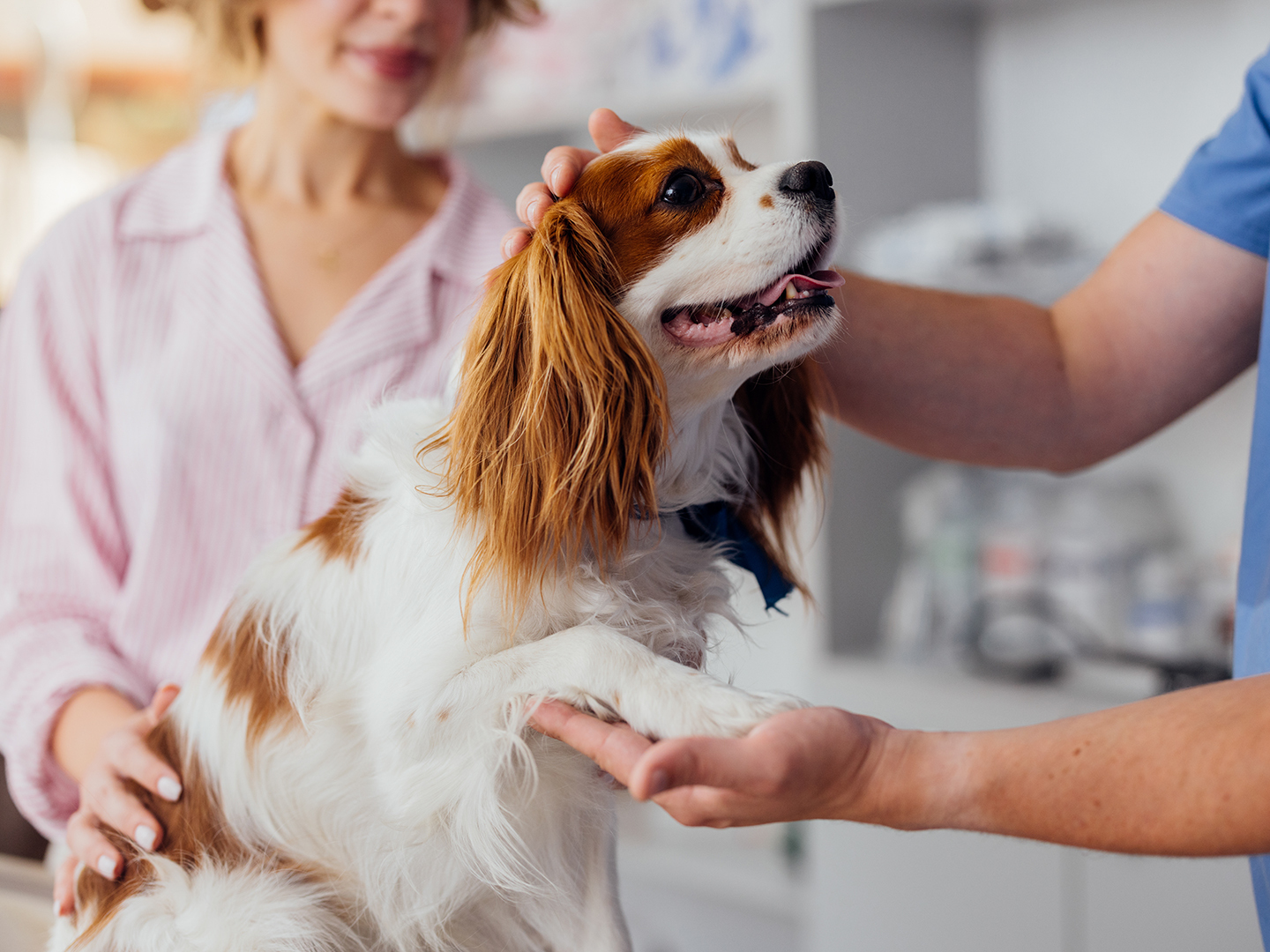
To help a pet, we must first understand what breaks their sense of security. Several common situations are notorious for causing distress across multiple species. Veterinary visits are at the top of the list. Dr. Audra Jones, a clinical assistant professor at the Texas A&M College of Veterinary Medicine, notes that pets often associate these visits with the pain of injections or the overwhelming, unfamiliar smells of other animals in a confined space. For many, the vet’s office represents a loss of control and an environment filled with ‘alarm pheromones’ left by previous, stressed-out visitors.
Car rides and moving house are other significant stressors. While some dogs live for a window-down cruise, others suffer from motion sickness or associate the car solely with negative destinations. Moving is particularly hard on territorial animals. Cats and dogs are territorial by nature and rely heavily on familiar scents and layouts to feel safe. When you introduce a new pet to the household, you are essentially asking an animal to share their most intimate resources—space, food, and your attention—with a total stranger. Without a slow and methodical introduction, this can lead to a permanent state of high tension.
Decoding Body Language: The Silent Cries for Help
Pets are masters of non-verbal communication, but as humans, we often miss the subtle cues until they escalate into obvious distress. Early signs of discomfort are frequently dismissed as ‘quirky’ behaviors. For instance, both dogs and cats will often yawn or lick their nose and lips as an early signal that they are uncomfortable. It is a way for them to self-soothe when they feel a situation is becoming unpredictable.
As stress increases, the physical behaviors become more pronounced. You may notice your pet ‘freezing’ in place or shaking visibly. A dog might tuck its tail between its legs and lower its body to the ground in an attempt to appear smaller and less threatening. In extreme cases, pets may even lose control of their bowels or bladder. Understanding the art of cat communication and canine signals allows us to intervene before the pet reaches a breaking point. A stressed-out pet will also typically refuse treats or water—a clear sign that their ‘fight or flight’ system has overridden their ‘rest and digest’ system.
Species-Specific Stress Behaviors
- Dogs: Commonly display heavy panting (not related to heat), smacking their lips, ‘whale eye’ (showing the whites of the eyes), and pacing.
- Cats: Tend to seek out dark, high, or secluded hiding places. They may also exhibit ‘zoomies’ that aren’t playful, but rather an outlet for nervous energy, or they may simply bolt from the room.
- Exotic Pets: Small mammals like guinea pigs may freeze (tonic immobility), while birds might puff their feathers or engage in repetitive movements like swinging their heads.
Creating a Sanctuary: Practical Solutions for Stress Management
The best way to manage stress is to prevent it through environmental design. When an animal feels unsafe, they can quickly shift into a defensive mode. If a dog is growling, it is vital to respect that boundary. Growling is a warning; it is the animal’s way of saying ‘I am at my limit.’ Approaching a growling dog can force them into a ‘fight’ response, leading to an avoidable bite. Instead, we should focus on creating a pet-friendly home where every animal has a designated ‘safe zone’ that is off-limits to children, guests, and other pets.
To diffuse immediate tension, keep your own energy in check. Animals are incredibly sensitive to our emotional states and vocal tones. Speak in a calm, low-frequency voice. Avoid loud, sudden noises or ‘baby talk’ that might come off as shrill and irritating to a pet with sensitive hearing. If you can identify the specific trigger—be it a loud gardener outside or a flickering light—remove the threat immediately or move the pet to a quieter area of the home.
The Power of Positive Association
One of the most effective long-term strategies is desensitization and counter-conditioning. Dr. Jones recommends ‘happy visits’ for pets who fear the vet. This involves taking your dog to the clinic just to walk through the lobby, meet the staff, and get a high-value treat without any medical procedures occurring. For cats, leaving the carrier out in the living room as a permanent piece of furniture, lined with a soft blanket and the occasional treat, can transform it from a ‘scary box’ into a cozy den.
Pheromones and Medical Support
Sometimes, environmental changes aren’t enough, especially for pets with generalized anxiety or past trauma. This is where modern science can help. Synthetic pheromones are an excellent tool for cats and dogs. These products mimic the natural chemicals animals use to mark their territory as safe. For cats, using a pheromone spray in their carrier at least 15 minutes before travel can provide a significant sense of calm. The spray effectively ‘labels’ the carrier as a secure space.
In cases of severe anxiety—such as during thunderstorms, fireworks, or long-distance moves—pharmacological intervention may be necessary. Modern anti-anxiety medications for pets have excellent safety profiles and are tailored to the individual’s needs. These are not meant to ‘sedate’ the pet into a stupor, but rather to lower their anxiety threshold so they can actually process and learn from positive experiences. Always consult your veterinarian to discuss whether a prescription is the right path for your pet’s specific temperament.
People Also Ask
Can a pet actually die from stress?
While a single stressful event is rarely fatal for a healthy dog or cat, chronic stress leads to severe health complications. In very small or fragile exotic pets, like certain birds or small rodents, extreme ‘fright’ can lead to heart failure or a condition called capture myopathy. In dogs and cats, the real danger is the long-term suppression of the immune system and the strain on the heart and kidneys.
How can I tell if my pet is stressed or just tired?
A tired pet is usually relaxed; their muscles are loose, their breathing is slow and deep, and they are easily roused by something positive like the sound of a treat bag. A stressed pet is ‘tense-tired.’ Their body is rigid even when lying down, their ears may be pinned back, and they may be hyper-vigilant—reacting to every small sound even while trying to rest.
Do natural remedies like CBD or rescue remedy work?
Many owners find success with natural supplements, but the scientific evidence is varied. While some pets respond well to calming herbs or high-quality CBD, these should always be discussed with a vet first to ensure they don’t interfere with other medications or underlying health conditions. Quality control is the biggest factor when choosing natural supplements.
Final Thoughts and Expert Verdict
In my experience, the most common mistake pet owners make is anthropomorphizing stress—assuming that because we think a situation is fine, our pets should too. We must remember that pets perceive the world through a vastly different sensory lens. What is a ‘simple car ride’ to us is a high-speed, vibrating, sensory-overloaded mystery to them. By slowing down, observing their subtle body language, and being proactive with environmental enrichment, we can significantly reduce their daily anxiety.
Key Takeaways:
- Observe Early: Watch for yawning, lip licking, and ‘freezing’ as early warning signs.
- Respect Boundaries: Never force an interaction with a pet that is showing signs of fear or aggression.
- Prepare in Advance: Use ‘happy visits’ and pheromone sprays to build positive associations with stressful locations.
- Consult Professionals: Don’t hesitate to ask your vet about anti-anxiety treatments for major life changes.
Stress is an inevitable part of life, but it doesn’t have to be a way of life for our pets. With patience, observation, and a little bit of scientific help, we can help our beloved animals navigate the challenges of the human world with confidence and peace of mind.


1 comment